

What Methods Can Be Used for Pigment Masterbatch Particle Conveying?
When it comes to the efficient and reliable transport of pigment masterbatch particles, selecting the right conveying method is crucial for maintaining product quality and operational efficiency in industrial applications. As a leading manufacturer in the field, Shandong HeadPowder Engineering Co., Ltd. from China offers a range of solutions tailored to meet diverse production needs. This article explores the various methods available for pigment masterbatch particle conveying, providing insights into their applications and benefits.
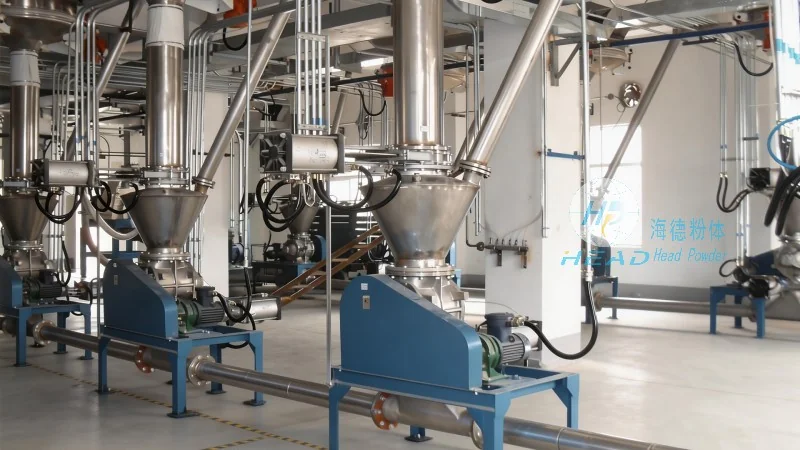
Understanding Pigment Masterbatch Particle Conveying
Pigment masterbatches are concentrated forms of pigments used in plastic processing to achieve specific coloration and performance characteristics. The particles within these masterbatches are typically fine and abrasive, requiring specialized conveying systems to prevent degradation, clogging, or loss of material. Effective conveying ensures consistent feed rates to extrusion or compounding equipment, which is vital for maintaining product uniformity and reducing downtime.
Common Conveying Methods for Pigment Masterbatch Particles
Several conveying technologies are commonly employed in the industry, each with its own advantages and suitability for different scenarios. The choice of method depends on factors such as particle size, bulk density, moisture content, and the distance to be covered. Below are some of the most widely used approaches:
Screw Conveyors (Auger Conveyors)
Screw conveyors are among the most popular and versatile options for pigment masterbatch particle transport. These systems consist of a rotating helical screw inside a U-shaped or tubular housing. As the screw rotates, it pushes material forward, creating a continuous flow. Screw conveyors are particularly effective for handling dry, free-flowing particles and can be used horizontally or at a slight incline. They are easy to install, maintain, and can handle a wide range of particle sizes without the need for additional components like hoppers or feeders.
For pigment masterbatch applications, screw conveyors are often equipped with special materials like stainless steel or food-grade plastics to prevent corrosion and contamination. The smooth surface of the screw reduces friction and wear, ensuring long service life even with abrasive pigments. Additionally, screw conveyors can be integrated with feeding mechanisms to control the flow rate precisely, which is essential for maintaining consistent color intensity in the final product.
Air-Pressure Conveying (Pneumatic Conveying)
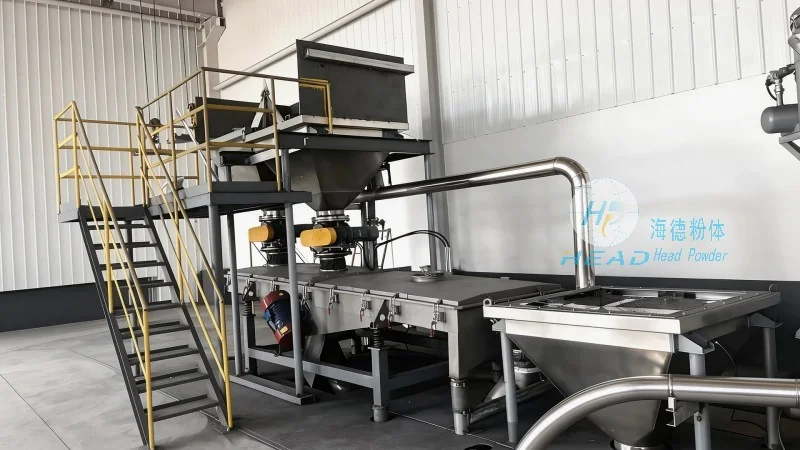
Air-pressure conveying, or pneumatic conveying, uses compressed air to transport particles through a pipeline. This method is ideal for applications requiring high speed, long-distance transport, or where the material is sensitive to mechanical stress. Pneumatic systems can be categorized into two main types: pressure and vacuum. Pressure systems use positive pressure to push material from the source to the destination, while vacuum systems use negative pressure to pull material.
In pigment masterbatch processing, pneumatic conveying is often preferred for its ability to handle fine powders without clogging. The system typically includes a hopper, a rotary valve for controlled discharge, and a pipeline with appropriate diameter and bends. The air velocity is carefully controlled to prevent particle segregation or agglomeration, which could affect color consistency. Pneumatic conveyors are also suitable for applications where dust control is a priority, as they can be equipped with filtration systems to capture fine particles and maintain a clean environment.
Vibrating Conveyors
Vibrating conveyors utilize mechanical vibrations to move particles along a trough. These systems are particularly effective for handling bulk materials with varying particle sizes and moisture content. The conveyor consists of a trough supported by vibration motors or springs, which cause the material to move by a combination of gravity and vibration. Vibrating conveyors are known for their low maintenance requirements and ability to handle sticky or cohesive materials, which can be problematic for other types of conveyors.
For pigment masterbatch particles, vibrating conveyors are often used when the material has a tendency to agglomerate or stick to the walls of the system. The gentle vibration helps to break up clumps and maintain a uniform flow. These conveyors are also suitable for inclined or horizontal transport and can be integrated with feeding hoppers to ensure a steady supply of material. However, they may not be as efficient for very fine powders, as the vibration can cause excessive dust generation and potential clogging in the trough.
Bucket Elevators
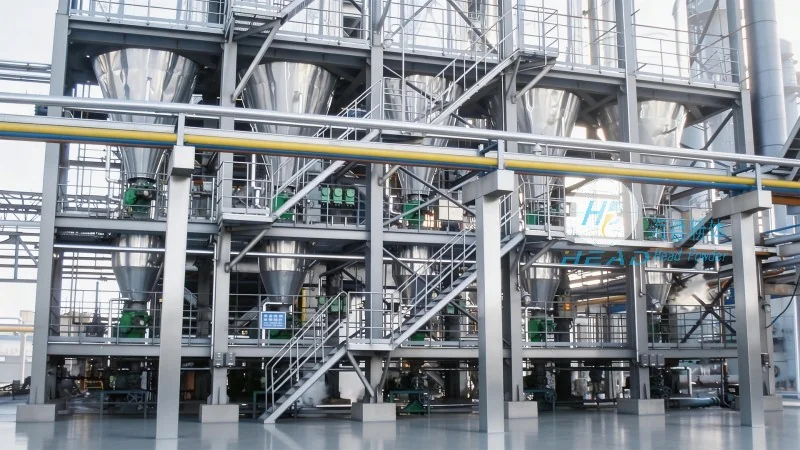
Bucket elevators are vertical or inclined conveyors that use a chain or belt with attached buckets to lift and transport particles. This method is ideal for vertical or steep incline transport, where the material needs to be moved from a lower to a higher level. Bucket elevators are particularly effective for handling heavy or abrasive materials, as the buckets provide a secure grip on the particles, preventing spillage or loss.
In pigment masterbatch applications, bucket elevators are commonly used when the production line requires vertical transport, such as moving masterbatch from a storage silo to an extrusion line. The system typically includes a hopper at the bottom, a drive mechanism to rotate the buckets, and a discharge mechanism at the top. Bucket elevators are known for their high capacity and ability to handle large volumes of material with minimal space requirements. However, they may require more maintenance than other systems due to the moving parts and the potential for wear from abrasive pigments.
Selection Criteria for Conveying Systems
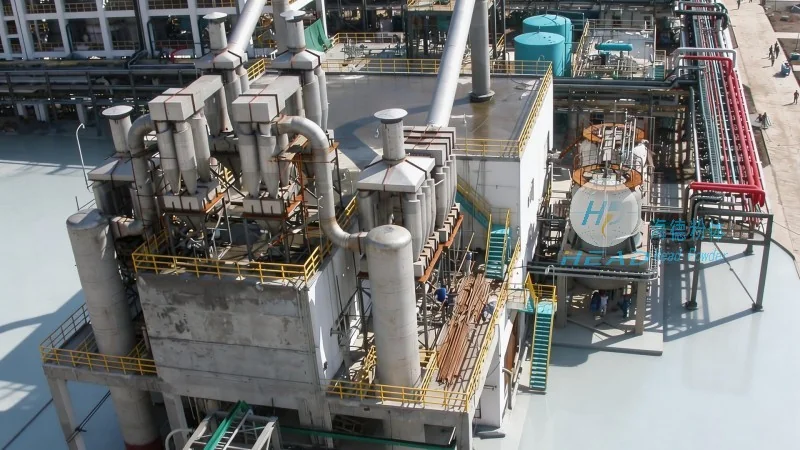
Choosing the right conveying method for pigment masterbatch particles involves evaluating several key factors to ensure optimal performance and cost-effectiveness. The following criteria should be considered when selecting a system:
1. **Particle Characteristics**: The size, shape, density, and moisture content of the pigment masterbatch particles are critical. Fine particles may require systems with low air velocity or gentle handling to prevent clogging, while coarse particles can be handled by more robust systems like screw or vibrating conveyors.
2. **Transport Distance and Height**: The distance and vertical height between the source and destination affect the choice of conveyor. Horizontal or short-distance transport may use screw or vibrating conveyors, while long-distance or vertical transport may require pneumatic or bucket elevators.
3. **Material Handling Requirements**: The need for dust control, contamination prevention, or integration with other equipment (e.g., feeding hoppers, mixers) influences the system selection. For example, pneumatic conveyors are better for dust control, while screw conveyors are simpler for integration with existing lines.
4. **Operational Efficiency and Maintenance**: The cost of installation, energy consumption, and maintenance should be considered. Systems with lower maintenance requirements and energy efficiency are often preferred for long-term operational savings.
Conclusion
Efficient pigment masterbatch particle conveying is essential for maintaining product quality and operational efficiency in plastic processing applications. Shandong HeadPowder Engineering Co., Ltd. offers a range of conveying solutions tailored to meet the specific needs of pigment masterbatch manufacturers. By understanding the characteristics of the material and the requirements of the production process, industries can select the most appropriate conveying method to ensure consistent coloration, reduce downtime, and improve overall productivity.