

Methods for Conveying Powder Electrolytes
Conveying powder electrolytes is a critical process in various industrial applications, particularly in battery manufacturing and chemical processing. The efficiency and reliability of the conveying system directly impact production quality and operational costs. As a leading provider in the field, Shandong HeadPowder Engineering Co., Ltd. specializes in developing and implementing advanced solutions for powder handling. This article explores the primary methods used for transporting powder electrolytes, highlighting the advantages and considerations of each approach.
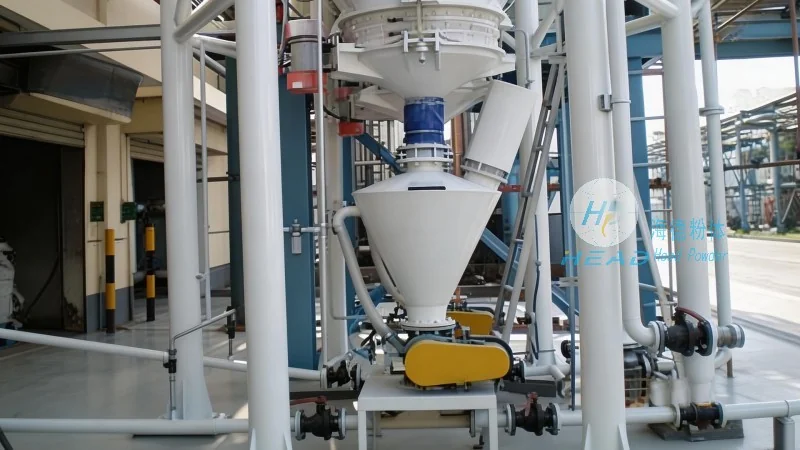
Overview of Powder Electrolyte Conveying
Powder electrolytes, often used in lithium-ion batteries and other electrochemical systems, require precise and controlled transport to ensure uniform mixing and consistent performance. The choice of conveying method depends on factors such as material properties, production scale, environmental conditions, and the desired level of automation. Common methods include mechanical conveying systems, pneumatic conveying systems, and hybrid solutions that combine the strengths of both approaches.
Mechanical Conveying Systems
Mechanical conveying systems utilize physical components like belts, screws, and buckets to move powder electrolytes. These systems are typically suitable for bulk material handling and can operate in both indoor and outdoor environments. Screw conveyors, for example, are widely used due to their simplicity and ability to handle a wide range of powder types. They consist of a rotating helical screw inside a trough, which pulls material forward through the system. This method is particularly effective for conveying dry, free-flowing powders and can be integrated with storage silos and processing equipment. The mechanical nature of these systems provides consistent flow rates and minimal air exposure, which is crucial for maintaining the integrity of sensitive electrolyte powders.
Pneumatic Conveying Systems
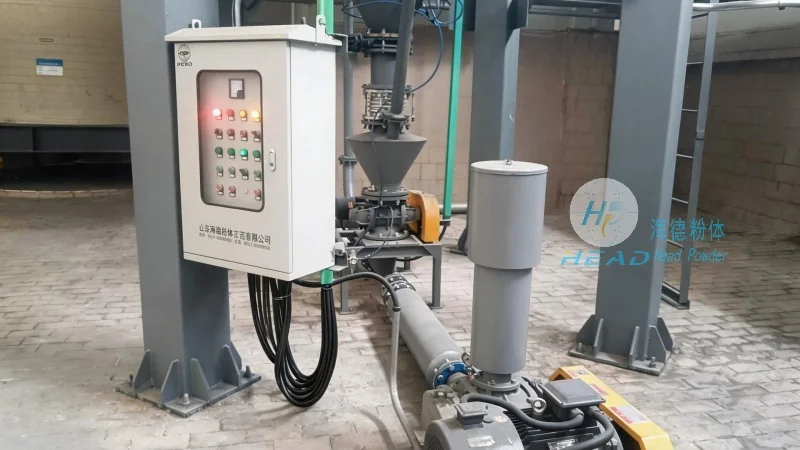
Pneumatic conveying systems use compressed air or other gases to transport powder electrolytes through a pipeline. This method is ideal for applications requiring high precision, minimal contamination, and the ability to handle fine or hygroscopic powders. There are two main types of pneumatic conveying: dilute-phase and dense-phase. Dilute-phase systems operate at higher velocities, typically moving material in a dispersed state, while dense-phase systems use lower velocities and higher pressure to move material in a plug or slurry form. Dense-phase conveying is often preferred for delicate powders as it reduces particle breakage and maintains product quality. Pneumatic systems can be designed for both short and long-distance transport, making them versatile for various industrial settings. However, they require careful control of air pressure and flow to prevent material degradation or system blockages.
Hybrid Conveying Solutions
Hybrid conveying systems combine mechanical and pneumatic components to leverage the benefits of both technologies. For instance, a screw conveyor might be used to feed a pneumatic conveying line, ensuring a consistent feed rate while allowing for flexible routing. This approach is particularly useful in complex production lines where material needs to be transported over varying distances or through multiple processing stages. Hybrid systems offer greater flexibility and can adapt to changing production demands, making them a popular choice in modern manufacturing environments. They also provide better control over material flow and can reduce energy consumption compared to standalone pneumatic systems.
Key Considerations for Selecting a Conveying Method
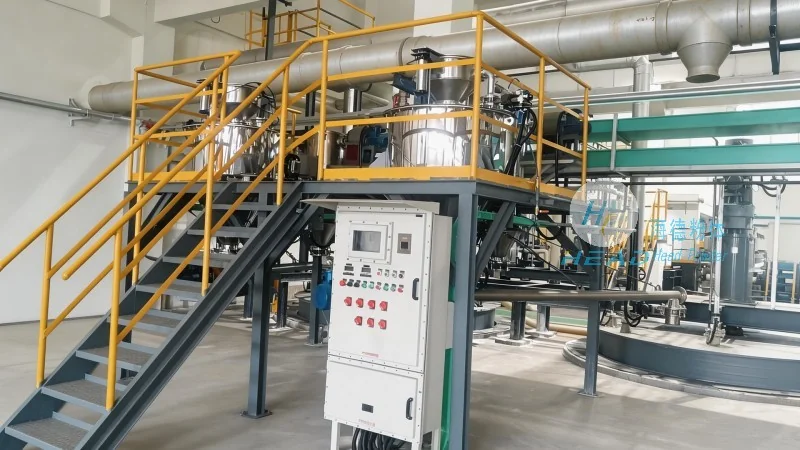
When choosing a conveying method for powder electrolytes, several factors must be considered to ensure optimal performance and cost-effectiveness. Material properties, such as particle size, density, and moisture content, play a significant role in determining the most suitable system. For example, fine powders with high moisture content may require a system that minimizes exposure to air to prevent caking or degradation. Production scale is another critical factor; large-scale operations may benefit from mechanical systems due to their higher throughput, while smaller-scale applications might opt for pneumatic systems for precision control. Environmental considerations, including dust control and safety, are also important. Mechanical systems generally produce less dust compared to pneumatic systems, which can be a significant advantage in facilities where air quality is a concern. Additionally, the cost of installation, maintenance, and energy consumption should be evaluated to ensure the chosen method aligns with the overall budget and operational goals.
Conclusion
Conveying powder electrolytes effectively requires a tailored approach that considers the specific needs of the application. Shandong HeadPowder Engineering Co., Ltd. offers a range of advanced conveying solutions, including mechanical, pneumatic, and hybrid systems, designed to meet the diverse requirements of industrial clients. By understanding the advantages and limitations of each method, manufacturers can select the most appropriate system to enhance production efficiency, maintain product quality, and reduce operational costs. Whether for bulk handling or precise, low-volume transport, the right conveying method is essential for successful powder electrolyte processing.