

Comparison of Common Wood Powder Conveying Methods
When handling wood powder, selecting the right conveying method is crucial for efficiency, cost-effectiveness, and product integrity. Different applications require different solutions, and understanding the pros and cons of each method helps in making an informed decision. This article compares three common wood powder conveying methods used by industries, focusing on their operational principles, advantages, and typical applications.
Spiral Conveyors: A Traditional Approach
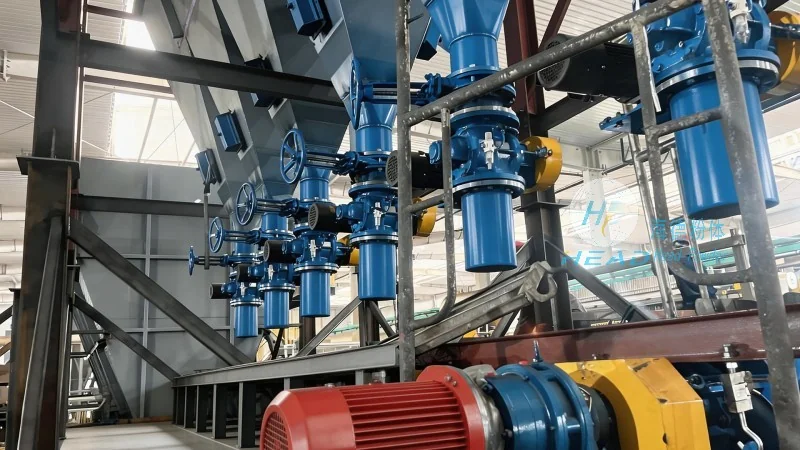
Spiral conveyors, also known as screw conveyors, are among the most widely used systems for transporting wood powder. These devices consist of a rotating helical screw inside a tube, which moves material from the inlet to the outlet through the rotation of the screw. The design is simple, making it easy to install and maintain. For wood powder, spiral conveyors are particularly effective when the material is free-flowing and non-abrasive. They can handle vertical and horizontal transport, and are often used in small to medium-sized operations where space is limited. The key advantage of spiral conveyors is their low maintenance cost and ability to operate in a closed system, which helps in controlling dust and preventing contamination. However, they may not be suitable for highly abrasive or sticky wood powders, as the screw and tube can wear out quickly. The company, Shandong HeadPowder Engineering Co., Ltd., offers spiral conveyor systems tailored to the specific needs of wood powder processing, ensuring reliable and efficient material transport.
Air-Lift (Pneumatic) Conveyors: High-Capacity Solutions
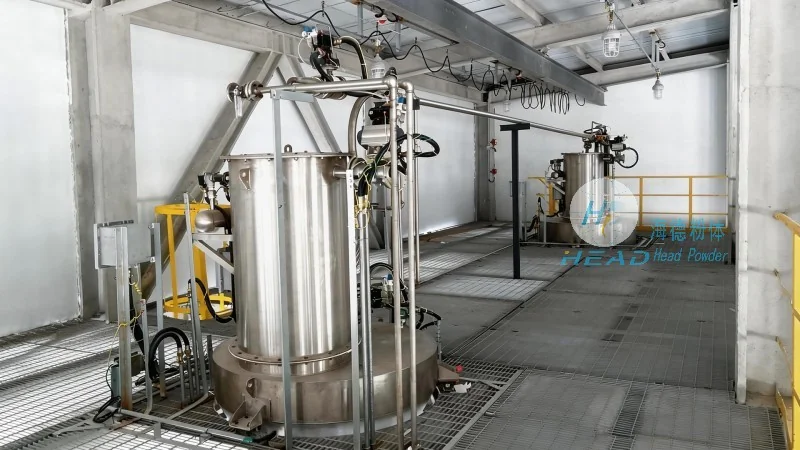
Air-lift or pneumatic conveyors use compressed air to transport wood powder through a pipeline. The system typically includes a hopper, a venturi or rotary airlock at the inlet, and a receiver at the outlet. The process involves creating a pressure differential: the inlet draws the wood powder into the pipe using the air flow, and the air carries the material to the destination. This method is highly effective for long-distance and high-volume transport, as it can move material over several hundred meters without the need for multiple transfer points. Air-lift conveyors are ideal for applications where the material needs to be conveyed in a closed, dust-free environment, such as in food processing or pharmaceutical industries. They are also suitable for handling fine powders that might clog other systems. The main drawback is the higher energy consumption compared to mechanical conveyors, as compressed air requires significant power. Additionally, the system can be more complex to install and maintain, especially when dealing with abrasive powders that can damage the air ducts. Shandong HeadPowder Engineering Co., Ltd. specializes in designing and manufacturing air-lift conveyors that optimize performance and durability for wood powder applications.
Belt Conveyors: Versatile and Durable
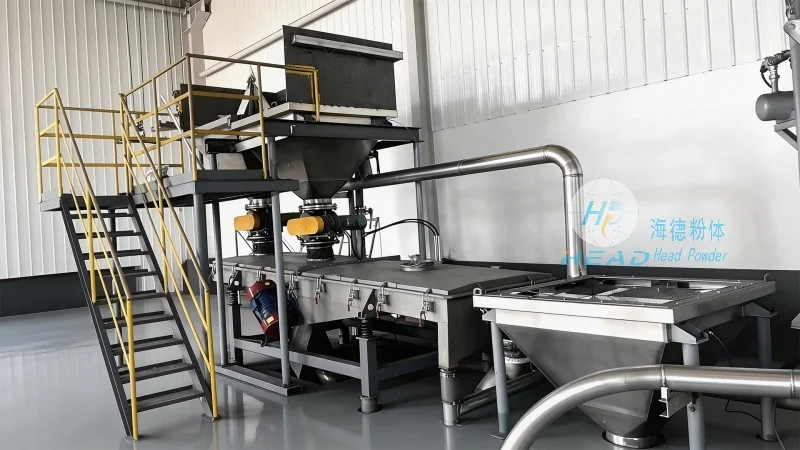
Belt conveyors use a continuous belt to transport wood powder horizontally or at a slight incline. The belt is supported by rollers and moves over a frame, with the material placed on top of the belt and carried to the destination. This method is widely used in bulk material handling, including wood powder, due to its high capacity and ability to handle large volumes. Belt conveyors are particularly suitable for transporting wet or sticky wood powders, as the belt can be designed with special coatings or cleats to prevent material slippage. They are also easy to integrate with other processing equipment, such as crushers or dryers. The main advantage of belt conveyors is their durability and low maintenance cost, as the components are relatively simple and robust. However, they require more space compared to other methods and may not be suitable for vertical transport. The system also needs regular cleaning to prevent material buildup on the belt. HeadPowder, the company, provides customized belt conveyor systems that meet the specific requirements of wood powder processing, ensuring efficient and reliable operation.
Choosing the Right Conveying Method for Wood Powder
When selecting a wood powder conveying method, several factors should be considered, including the material properties, the required transport distance, the volume of material, and the available space. For small-scale operations with limited space and free-flowing wood powder, a spiral conveyor might be the most cost-effective solution. For large-scale, long-distance transport with high volumes, an air-lift conveyor offers better efficiency. For applications involving wet or sticky wood powders, a belt conveyor provides the necessary durability and control. It is also important to consider the environmental impact, as some methods may generate more dust or require more energy. Consulting with a professional, such as Shandong HeadPowder Engineering Co., Ltd., can help in evaluating these factors and choosing the optimal conveying system for a specific wood powder processing plant. By selecting the right method, industries can improve their operational efficiency, reduce costs, and ensure the quality of their wood powder products.