

Comparison of Common Magnetic Powder Conveying Methods
When it comes to handling magnetic powders in industrial applications, selecting the right conveying method is crucial for efficiency, cost-effectiveness, and product integrity. Magnetic powders, such as iron or steel powders used in manufacturing, require specialized equipment to ensure safe and reliable transport. This article provides a detailed comparison of common magnetic powder conveying methods, highlighting their advantages, limitations, and suitability for various industrial needs.
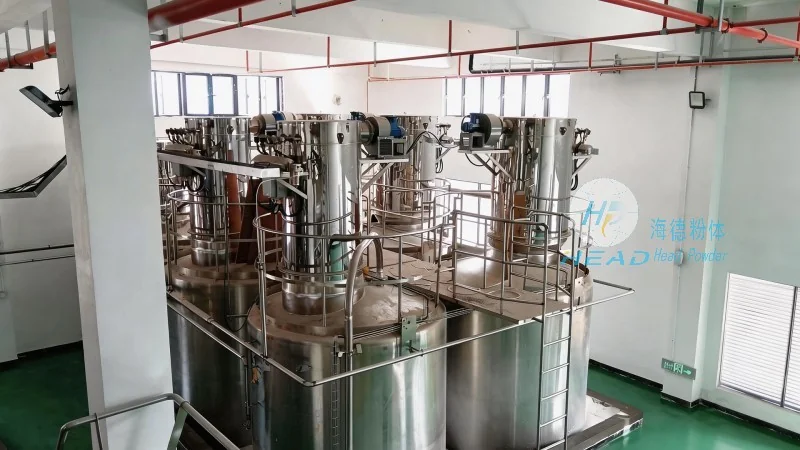
Introduction to Magnetic Powder Conveying
Magnetic powders are widely used in sectors like metallurgy, powder metallurgy, and magnetic material production. These powders possess magnetic properties that can be harnessed for efficient handling. Traditional conveying methods, including screw conveyors and pneumatic systems, may not be ideal due to issues like material degradation, contamination, or equipment wear. Magnetic powder conveying systems leverage magnetic fields to move powders without direct contact, offering a solution to these challenges.
Traditional Conveying Methods vs. Magnetic Powder Conveying
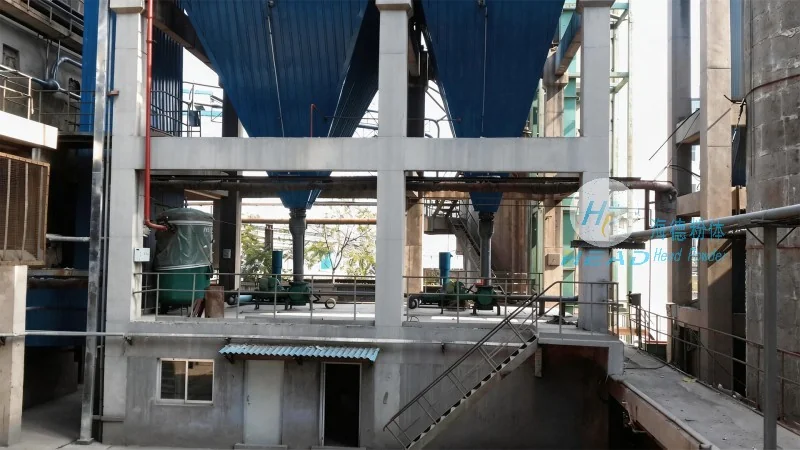
Screw conveyors are a common choice for bulk material transport, but they can cause wear and tear on magnetic powders, leading to particle degradation. Pneumatic conveying systems, while effective for some powders, may not handle fine magnetic powders efficiently and can generate dust and noise. In contrast, magnetic powder conveying methods use magnetic forces to attract and move powders, reducing friction and wear. This approach preserves the quality of the magnetic powder and minimizes contamination.
Key Advantages of Magnetic Powder Conveying
One of the primary benefits of magnetic powder conveying is the absence of mechanical contact, which prevents particle attrition and maintains the original size and shape of the magnetic powder. This is particularly important for applications where powder characteristics directly impact product performance. Additionally, magnetic conveying systems are often more energy-efficient compared to pneumatic or mechanical alternatives, leading to lower operational costs. They also offer better control over the flow rate and direction of the powder, enhancing process stability.
Common Magnetic Powder Conveying Equipment
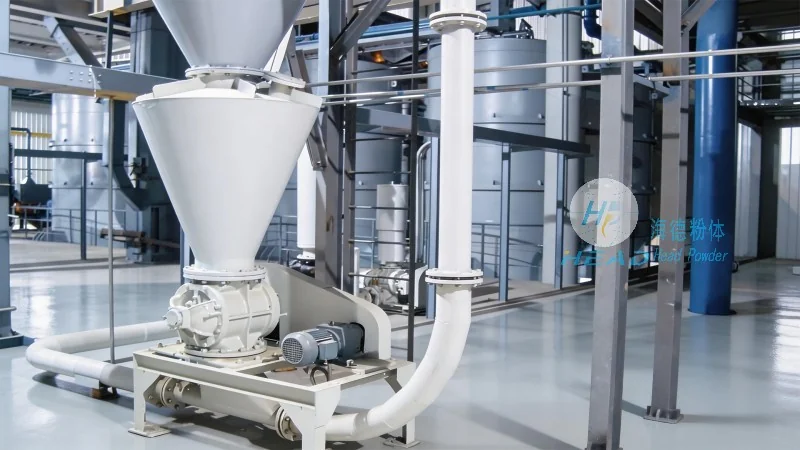
Several types of equipment are used for magnetic powder conveying, each designed for specific applications. The most common include magnetic powder pumps, magnetic conveyor belts, and magnetic fluidized bed systems. Magnetic powder pumps utilize a rotating magnetic field to move powders through a tube, providing continuous and controlled flow. Magnetic conveyor belts, equipped with embedded magnets, transport powders along a path, suitable for horizontal or slight incline applications. Magnetic fluidized bed systems use a combination of magnetic fields and air to suspend and move powders, ideal for fine powders that require gentle handling.
Application Scenarios and Suitability
The choice of magnetic powder conveying method depends on factors such as the particle size, magnetic strength, and required flow rate. For large-scale industrial operations, magnetic powder pumps are often preferred due to their high capacity and reliability. In contrast, magnetic conveyor belts are suitable for medium to small-scale applications where precise control over the powder path is needed. Magnetic fluidized bed systems excel in handling ultra-fine powders, where minimal particle damage is critical. Industries like automotive, electronics, and aerospace, which rely on high-quality magnetic powders, benefit significantly from these specialized conveying systems.
Conclusion
Choosing the right magnetic powder conveying method is essential for optimizing industrial processes and ensuring product quality. Magnetic powder conveying systems offer superior performance compared to traditional methods, with advantages including reduced wear, lower energy consumption, and improved powder integrity. By understanding the specific requirements of your application, such as powder characteristics and operational scale, you can select the most appropriate conveying equipment. Companies like Shandong HeadPowder Engineering Co., Ltd., a leading provider of magnetic powder handling solutions, offer a range of magnetic conveying systems tailored to meet diverse industrial needs. Whether you are in the metallurgy, powder metallurgy, or magnetic material industry, investing in the right magnetic powder conveying method can enhance efficiency, reduce costs, and ensure consistent product quality.