

Comparison of Common Ceramic Powder Conveying Methods
When it comes to handling and transporting ceramic powders in industrial settings, selecting the right conveying method is crucial for efficiency, product integrity, and operational safety. The choice of conveying system can significantly impact production throughput, material quality, and overall process reliability. This article provides a detailed comparison of common ceramic powder conveying methods, focusing on their principles, advantages, and practical applications, with insights from Shandong HeadPowder Engineering Co., Ltd., a leading provider of specialized powder handling solutions.
Understanding the Core Principles of Ceramic Powder Conveying
Ceramic powders, due to their fine particle size and often abrasive nature, require specialized handling to prevent agglomeration, contamination, and equipment wear. The primary goal of any conveying system is to move these powders from a storage or processing point to the next stage of production without compromising their quality. Key factors influencing the selection of a conveying method include the powder's physical properties (such as particle size distribution, moisture content, and flowability), the required conveying distance and volume, and the environmental constraints of the facility.
1. Air-Driven Pneumatic Conveying Systems
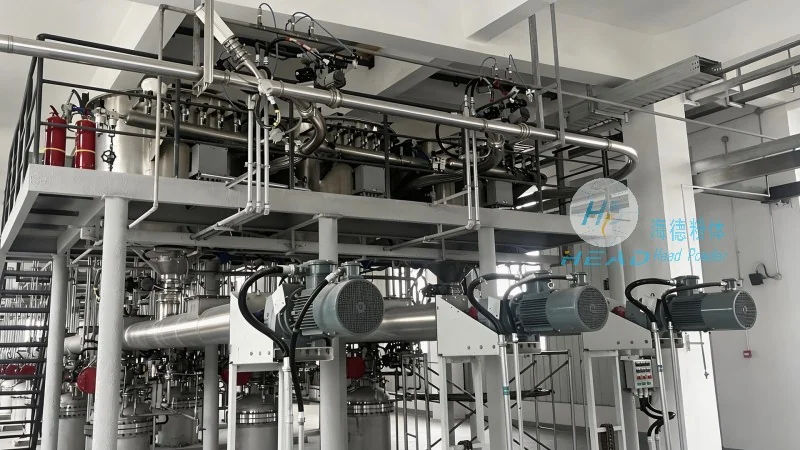
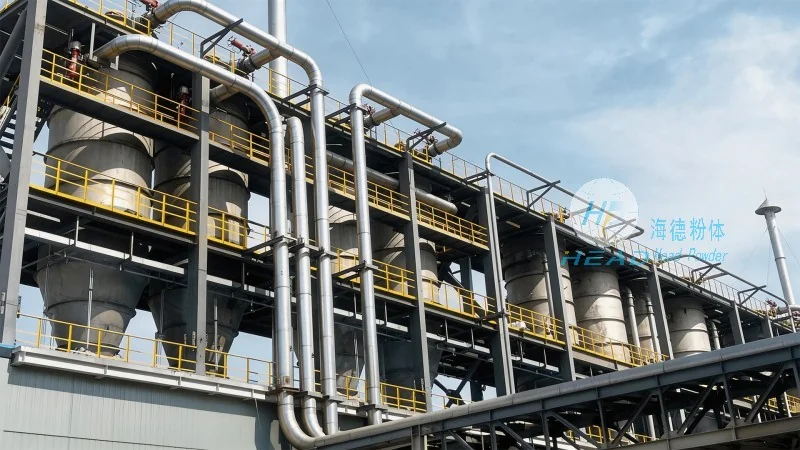
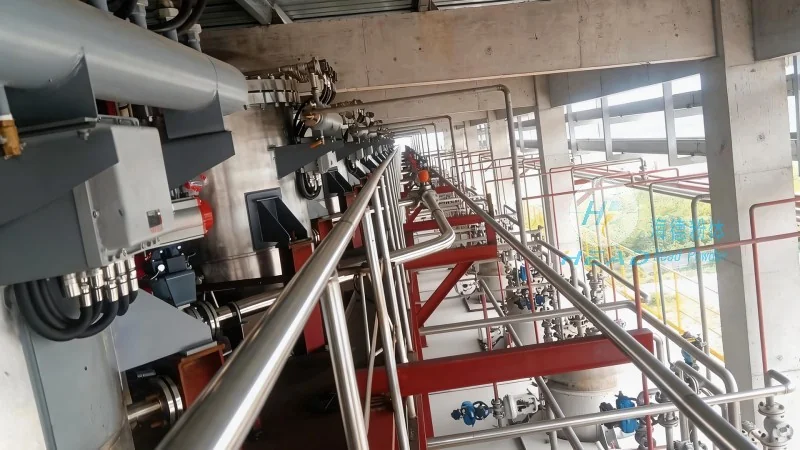
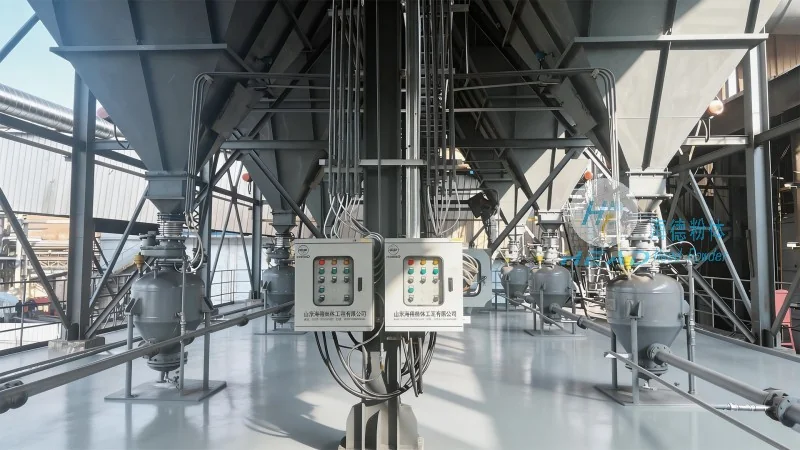
Pneumatic conveying, or air-driven systems, are among the most widely used methods for ceramic powder transport. These systems utilize compressed air to move powders through a network of pipes and ducts. There are two main types: pressure and vacuum systems. Pressure systems push the powder with high-pressure air, while vacuum systems pull it using a vacuum source. HeadPowder specializes in custom pneumatic conveying solutions that can handle a wide range of ceramic powders, from fine alumina and zirconia to complex composite powders. The company's pneumatic systems are designed to minimize particle degradation, ensuring that the powder's properties remain consistent throughout the conveying process. Advantages of pneumatic conveying include high flexibility, the ability to transport powders over long distances, and the option to integrate with existing dust collection systems. However, these systems may require higher energy input and can be less efficient for very fine or low-flowability powders.
2. Mechanical Conveying Methods: Screw and Belt Conveyors
For applications where air-driven systems are not suitable or where the powder's properties make pneumatic conveying impractical, mechanical conveyors offer a reliable alternative. Screw conveyors, also known as auger conveyors, use a rotating screw to push powders along a trough. These systems are particularly effective for handling bulk ceramic powders with good flowability and are often used in horizontal or slight incline applications. HeadPowder's screw conveyor solutions are engineered to handle abrasive materials, ensuring long service life and minimal maintenance. Belt conveyors, on the other hand, use a continuous belt to transport powders, making them ideal for longer horizontal distances and larger volumes. Both screw and belt conveyors provide a closed system that prevents dust emissions and contamination, which is critical for maintaining the purity of ceramic powders. The main advantages of mechanical conveyors include lower energy consumption compared to pneumatic systems and higher efficiency for dense, free-flowing powders. However, they may have limitations in terms of conveying distance and flexibility compared to pneumatic systems.
3. Hydraulic Conveying: A Less Common but Effective Option
Hydraulic conveying systems use a liquid medium, typically water or a specialized fluid, to transport ceramic powders. The powder is suspended in the liquid and moved through pipes under pressure. This method is particularly useful for handling very fine or highly abrasive powders that are difficult to convey using air or mechanical means. HeadPowder has experience in designing hydraulic conveying systems for specialized applications, such as transporting powders in the ceramics and refractory industries. The primary advantage of hydraulic conveying is its ability to handle extremely fine powders without degradation, as the liquid medium provides a stable suspension. However, these systems require additional equipment for fluid recycling and treatment, increasing complexity and maintenance costs. They are also less common in general industrial settings due to the need for specialized fluid management.
4. Comparison and Selection Criteria
When choosing between these conveying methods, several factors must be considered. The first is the powder's physical characteristics: fine, cohesive powders may require pneumatic or hydraulic systems, while free-flowing bulk powders can be handled by mechanical conveyors. The second is the conveying distance and layout of the facility. Pneumatic systems are better suited for long-distance transport, while mechanical systems are more efficient for short to medium distances. Energy consumption and operational costs are also critical. Pneumatic systems typically consume more energy, while mechanical systems have lower operating costs. Finally, the need for dust control and environmental compliance should be evaluated. Pneumatic systems can integrate with dust collection, but mechanical systems provide a closed, dust-free environment. Shandong HeadPowder Engineering Co., Ltd. recommends conducting a thorough analysis of these factors to select the most appropriate conveying method for a specific application.
Conclusion: Partnering with HeadPowder for Optimal Ceramic Powder Conveying
The selection of an appropriate ceramic powder conveying method is a critical decision that impacts the efficiency and quality of ceramic manufacturing processes. By understanding the principles and characteristics of different systems, manufacturers can choose the most suitable solution for their needs. Shandong HeadPowder Engineering Co., Ltd. offers a range of specialized conveying solutions, including pneumatic, mechanical, and hydraulic systems, tailored to the unique requirements of ceramic powder handling. With years of experience and a commitment to quality, HeadPowder helps clients optimize their powder transport processes, ensuring reliable, efficient, and cost-effective operation. Whether you need to transport fine alumina powders or bulk refractory materials, HeadPowder's expertise in ceramic powder conveying can provide the solution to meet your production goals.