

Comparison of Common Light Calcium Powder Conveying Methods
Light calcium powder, also known as precipitated calcium carbonate (PCC), is a widely used industrial material in various sectors including plastics, paper, and coatings. The efficient and reliable transportation of this fine powder from storage to processing equipment is crucial for maintaining production efficiency and product quality. This article provides a detailed comparison of common light calcium powder conveying methods, highlighting their features, advantages, and applications.
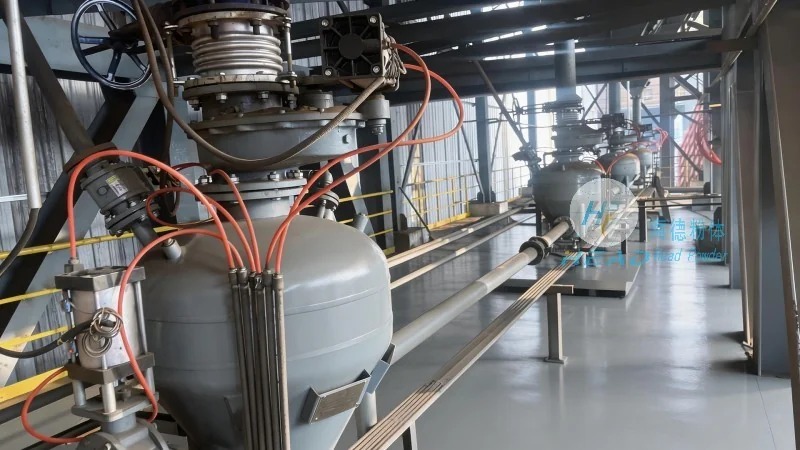
Company Profile: Shandong HeadPowder Engineering Co., Ltd.
Shandong HeadPowder Engineering Co., Ltd., commonly referred to as headpowder, is a leading manufacturer and supplier of industrial powder handling solutions. Based in Shandong, China, the company specializes in the design, development, and implementation of advanced conveying systems tailored to the unique needs of light calcium powder and other fine powders. With a strong commitment to quality and innovation, headpowder has established itself as a trusted partner in the industry, providing customized solutions that enhance operational efficiency and reduce downtime.
Overview of Common Conveying Methods for Light Calcium Powder
Light calcium powder, due to its fine particle size and low bulk density, requires specialized conveying systems to ensure safe and effective transport. The choice of conveying method depends on factors such as the volume of material, distance to be conveyed, environmental conditions, and the specific requirements of the production process. Below is a comparison of four widely used methods for light calcium powder handling.
Method 1: Pneumatic Conveying Systems
Pneumatic conveying systems utilize air or other gases to transport light calcium powder through a network of pipes. This method is particularly suitable for long-distance and high-volume conveying applications. There are two main types of pneumatic conveying: pressure and vacuum systems. Pressure systems use compressed air to push the powder through the pipeline, while vacuum systems use a vacuum to draw the material. Pneumatic conveying offers advantages such as low maintenance, ability to handle abrasive materials, and minimal product contamination. However, it may require higher energy consumption and careful management of air filtration to prevent dust accumulation.

Method 2: Screw Conveyors for Light Calcium Powder
Screw conveyors, also known as auger conveyors, are mechanical devices that use a rotating screw to move light calcium powder along a trough. This method is ideal for short to medium distances and moderate material volumes. Screw conveyors are relatively simple in design, making them cost-effective and easy to install. They are particularly effective for handling free-flowing powders like light calcium powder, as the screw's rotation creates a continuous flow without the need for additional air or power sources. However, screw conveyors may experience issues with material buildup or clogging if the powder is too fine or contains moisture. Regular maintenance and proper material feed are essential to ensure smooth operation.
Method 3: Bucket Elevators in Light Calcium Powder Handling
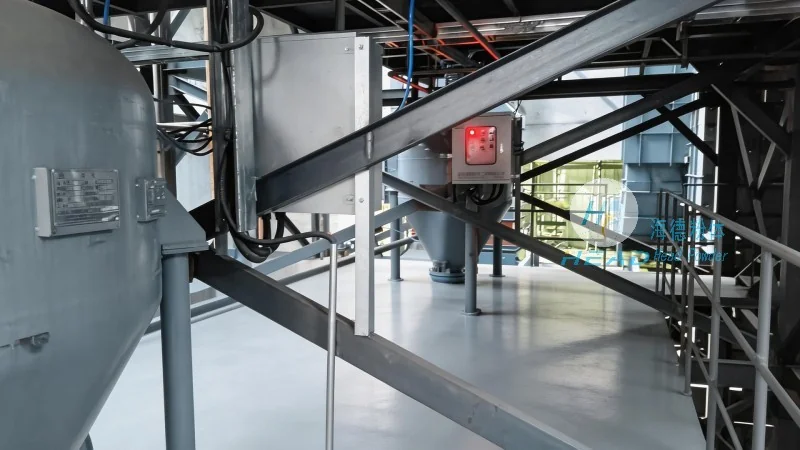
Bucket elevators are vertical or inclined conveyors that use a series of buckets attached to a chain or belt to lift and transport light calcium powder. This method is commonly used for vertical or steeply inclined conveying, often in applications where the material needs to be elevated to a higher level. Bucket elevators are highly efficient for handling bulk materials and can transport light calcium powder over significant vertical distances. They are capable of handling a wide range of particle sizes and are less susceptible to material bridging compared to other systems. However, bucket elevators require more complex installation and may have higher initial costs. Proper alignment and regular inspection of the buckets and chains are necessary to prevent mechanical failures.
Method 4: Hydraulic Conveying Systems
Hydraulic conveying systems use water or other liquids to transport light calcium powder through pipelines. This method is primarily used in applications where the powder needs to be mixed with a liquid or transported in a slurry form. Hydraulic conveying is effective for handling wet or sticky powders and can provide a continuous flow with minimal dust generation. However, it requires additional equipment for liquid management and may result in higher water usage and disposal costs. The system also needs to be designed to prevent clogging and corrosion, as the liquid and powder mixture can be abrasive. Hydraulic conveying is often used in industries such as mining and chemical processing, where it is suitable for specific applications.
Conclusion and Recommendations
Choosing the appropriate light calcium powder conveying method depends on a variety of factors, including the specific application requirements, material characteristics, and operational constraints. Pneumatic systems are versatile and suitable for long-distance transport, while screw conveyors offer simplicity and cost-effectiveness for shorter distances. Bucket elevators are ideal for vertical transport, and hydraulic systems are effective for handling wet or mixed materials. Shandong HeadPowder Engineering Co., Ltd. provides comprehensive solutions tailored to these needs, ensuring that clients can select the most efficient and reliable conveying method for their light calcium powder handling requirements. By understanding the advantages and limitations of each method, businesses can optimize their operations and enhance overall productivity.