

Comparison of Common Vanadium Oxide Conveying Methods
Vanadium oxide, a critical material in various industrial applications, requires efficient and reliable transportation methods to ensure smooth production processes. As a leading manufacturer and supplier in the field, Shandong HeadPowder Engineering Co., Ltd. (referred to as HeadPowder) specializes in providing tailored solutions for the conveyance of vanadium oxide. This article aims to provide a detailed comparison of common vanadium oxide conveying methods, highlighting their advantages, limitations, and suitability for different industrial scenarios.
Introduction to Vanadium Oxide Conveying
Vanadium oxide is widely used in the production of vanadium compounds, which are essential in steelmaking, chemical manufacturing, and energy storage applications. The efficient transportation of this material is crucial for maintaining production efficiency and minimizing operational costs. HeadPowder, with its extensive experience and advanced technology, offers comprehensive solutions to address the diverse needs of clients in the vanadium oxide industry.
Common Conveying Methods for Vanadium Oxide
Several methods are commonly employed for the transportation of vanadium oxide, each with distinct characteristics and applications. The selection of a suitable method depends on factors such as material properties, production scale, environmental considerations, and operational requirements.
Pipeline Conveying
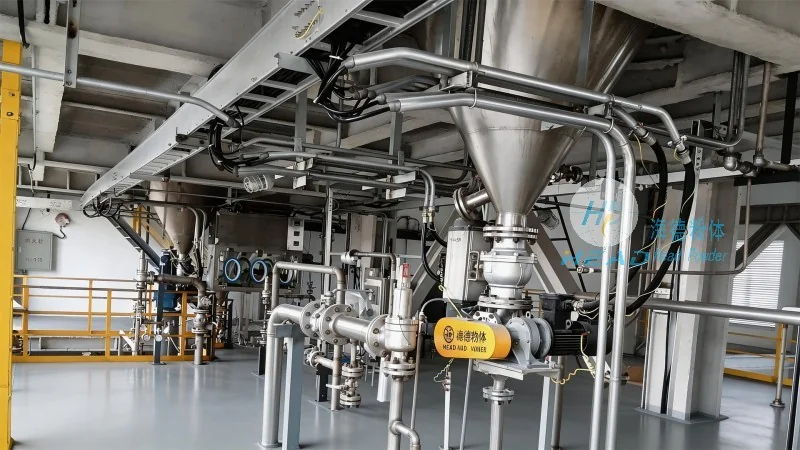
Pipeline conveying, also known as pneumatic or hydraulic pipeline transport, is a widely used method for moving vanadium oxide over long distances. This method involves transporting the material through a closed pipeline system using air or water as a medium. The primary advantage of pipeline conveying is its ability to handle large volumes of material with minimal labor and space requirements. It is particularly suitable for continuous production lines where a steady flow of vanadium oxide is required.
HeadPowder’s expertise in pipeline design and installation ensures that the conveying systems are optimized for vanadium oxide properties, such as its density and flow characteristics. The company’s engineers consider factors like pipeline diameter, pressure, and material compatibility to design systems that maximize efficiency and minimize wear and tear. For instance, in a steel plant, pipeline conveying is often used to transport vanadium oxide from storage silos to the production reactors, ensuring a consistent supply of raw material.
Mechanical Conveying
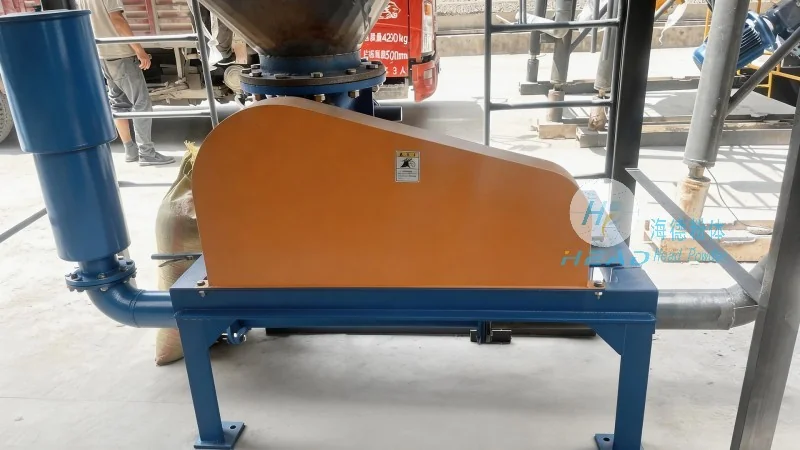
Mechanical conveying methods, including belt conveyors, screw conveyors, and bucket elevators, are commonly used for short to medium-distance transportation of vanadium oxide. These systems rely on mechanical components to move the material from one location to another. Belt conveyors are particularly effective for transporting bulk materials over horizontal or slightly inclined distances. They are easy to install and maintain, making them a cost-effective solution for many industrial applications.
Screw conveyors, also known as auger conveyors, are suitable for transporting vanadium oxide in vertical or inclined orientations. They are compact and can be easily integrated into existing production lines. However, screw conveyors may experience issues with material buildup and blockages, especially if the vanadium oxide has a tendency to clump or agglomerate. HeadPowder’s engineers address these challenges by selecting appropriate screw designs and materials, ensuring smooth operation and preventing downtime.
Gravity Conveying
Gravity conveying, or inclined chutes, is a simple and cost-effective method for transporting vanadium oxide over short distances. This method relies on the natural force of gravity to move the material from a higher to a lower elevation. It is particularly suitable for applications where the material is stored in elevated silos and needs to be discharged into lower-level processing equipment. Gravity conveying systems are typically made of metal or plastic, with smooth surfaces to prevent material sticking and ensure efficient flow.
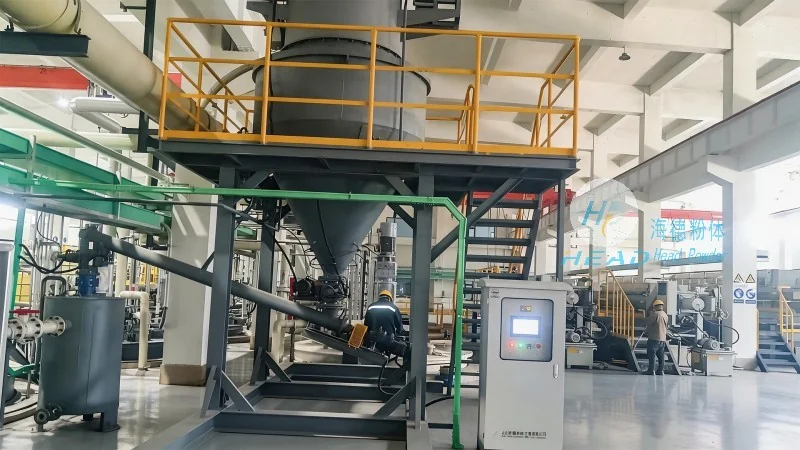
HeadPowder’s gravity conveying solutions are designed to handle the specific characteristics of vanadium oxide, such as its particle size and density. The company’s engineers ensure that the chute angles and dimensions are optimized to maintain a consistent flow rate, avoiding issues like material bridging or clogging. This method is often used in conjunction with other conveying systems to create a seamless material handling process.
Comparison of Conveying Methods
When comparing the different conveying methods for vanadium oxide, several factors must be considered. Pipeline conveying is ideal for long-distance, high-volume applications but requires significant investment in infrastructure and maintenance. Mechanical conveying offers flexibility and cost-effectiveness for shorter distances but may require more frequent maintenance. Gravity conveying is simple and low-cost but is limited to short distances and specific topographies.
HeadPowder provides comprehensive assessments and recommendations based on the specific needs of each client. The company’s team of experts evaluates factors such as production scale, material properties, and operational environment to recommend the most suitable conveying method. For example, a small-scale chemical plant may opt for mechanical conveying due to its lower initial cost, while a large steel plant may choose pipeline conveying to meet its high-volume requirements.
Advantages and Limitations of Each Method
Each conveying method has its own set of advantages and limitations that must be carefully considered. Pipeline conveying offers high efficiency and minimal labor requirements but is susceptible to pressure drops and material degradation. Mechanical conveying provides flexibility and ease of maintenance but may experience issues with material buildup and wear on components. Gravity conveying is simple and low-cost but is limited by the topography of the site and may not be suitable for all applications.
HeadPowder’s solutions address these limitations by incorporating advanced technologies and materials. For instance, the company uses high-quality materials for pipeline systems to prevent corrosion and ensure long-term durability. In mechanical conveying systems, HeadPowder employs wear-resistant components and regular maintenance schedules to minimize downtime and extend the lifespan of the equipment. These measures ensure that the conveying systems operate efficiently and reliably, meeting the demanding requirements of the vanadium oxide industry.