

Comparison of Common Calcium Fluoride Conveying Methods
When handling calcium fluoride in industrial processes, selecting the right conveying method is crucial for efficiency, safety, and cost-effectiveness. Calcium fluoride, also known as fluorite, is a widely used chemical in various industries, including metallurgy, glass manufacturing, and chemical production. The choice of conveying system directly impacts the overall performance of the production line. This article provides a detailed comparison of common calcium fluoride conveying methods, highlighting their advantages, limitations, and applications, with insights from Shandong HeadPowder Engineering Co., Ltd., a leading provider of specialized material handling solutions.
Overview of Calcium Fluoride and Conveying Challenges
Calcium fluoride (CaF₂) is a white or off-white crystalline solid with a Mohs hardness of 4. It is often found in powdered or granular form, which requires specialized equipment to transport without degradation or contamination. Conveying calcium fluoride presents unique challenges due to its chemical properties, such as its reactivity with moisture and certain materials, and its tendency to create dust during handling. Proper selection of a conveying system is essential to maintain product quality, ensure worker safety, and optimize operational costs.
1. Pneumatic Conveying Systems
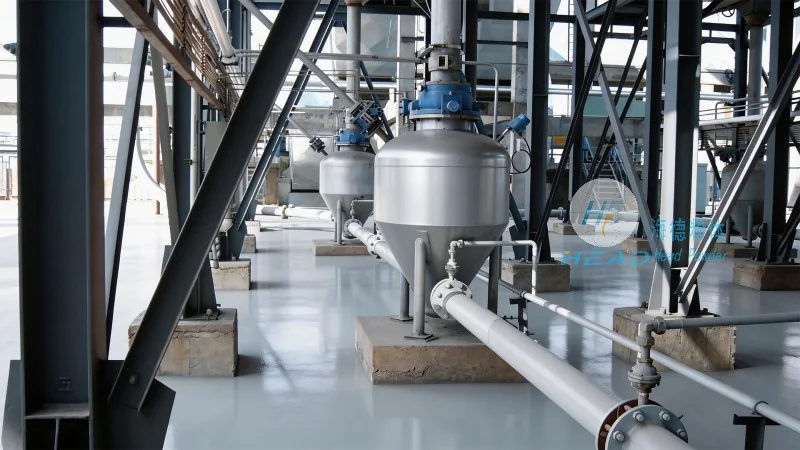
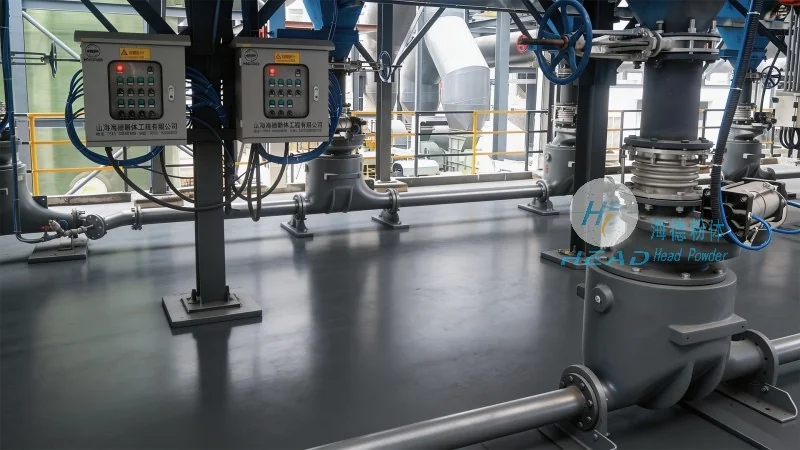
Pneumatic conveying, also known as air-assisted transport, is a popular method for calcium fluoride handling. This system uses compressed air to move the material through a pipeline. There are two main types: pressure and vacuum systems. Pressure systems push the material forward using high-pressure air, while vacuum systems pull the material through the line using a vacuum source. Pneumatic conveying offers several advantages, including the ability to transport materials over long distances, handle fine powders without clogging, and maintain a closed system to prevent dust exposure. However, it has limitations, such as higher energy consumption and the need for regular maintenance of air filtration systems. Shandong HeadPowder Engineering Co., Ltd. specializes in designing customized pneumatic conveying solutions tailored to the specific requirements of calcium fluoride applications, ensuring efficient and safe material transport.
2. Screw Conveyors
Screw conveyors, also called auger conveyors, are another common method for calcium fluoride transport. These systems consist of a rotating screw (auger) inside a U-shaped or cylindrical housing. The screw rotates, pushing the material forward. Screw conveyors are ideal for horizontal or slightly inclined transport and are particularly effective for handling bulk materials like calcium fluoride. They offer advantages such as simplicity, low maintenance, and the ability to operate in a closed environment to control dust. However, they have limitations, including the risk of material bridging or clogging, especially with fine powders, and the need for proper sealing to prevent material leakage. HeadPowder, the brand of Shandong HeadPowder Engineering Co., Ltd., provides high-quality screw conveyors designed to handle calcium fluoride efficiently, with features like anti-sticking coatings and robust construction to ensure reliable operation.
3. Belt Conveyors
Belt conveyors are widely used in calcium fluoride handling for bulk material transport over short to medium distances. These systems consist of a continuous belt that moves over rollers or pulleys, transporting the material from one point to another. Belt conveyors are known for their high capacity, low cost, and ability to handle large volumes of calcium fluoride. They are suitable for both horizontal and inclined transport and can be integrated with other equipment, such as hoppers and feeders. However, they have limitations, including the need for regular maintenance of the belt and pulleys, and the risk of material spillage if the belt is not properly aligned. Shandong HeadPowder Engineering Co., Ltd. offers customized belt conveyor systems that are optimized for calcium fluoride, with features like heavy-duty belts and robust frame designs to ensure durability and efficiency.
4. Hydraulic Conveying
Hydraulic conveying systems use water or other fluids to transport calcium fluoride. The material is suspended in the fluid and moved through pipelines. This method is particularly effective for handling fine powders and can transport materials over long distances with minimal energy consumption. However, hydraulic conveying has limitations, such as the need for additional equipment to separate the material from the fluid and the risk of contamination if the fluid is not properly treated. It is less common for calcium fluoride due to its reactivity with water, but it can be used in specific applications where other methods are not feasible. HeadPowder, from Shandong HeadPowder Engineering Co., Ltd., explores innovative hydraulic solutions for calcium fluoride transport, focusing on environmental and operational efficiency.
5. Vibrating Conveyors
Vibrating conveyors use vibrations to move calcium fluoride along a trough. The material is placed on a vibrating surface, and the vibrations cause the material to move forward. These systems are suitable for handling bulk materials and can be used in both horizontal and inclined configurations. Vibrating conveyors offer advantages such as low maintenance, high capacity, and the ability to handle materials with high moisture content. However, they have limitations, including the need for proper vibration control to prevent material degradation and the risk of noise pollution. Shandong HeadPowder Engineering Co., Ltd. designs vibrating conveyors that are tailored to calcium fluoride applications, with features like adjustable vibration frequency and robust construction to ensure reliable performance.
Comparative Analysis and Recommendations
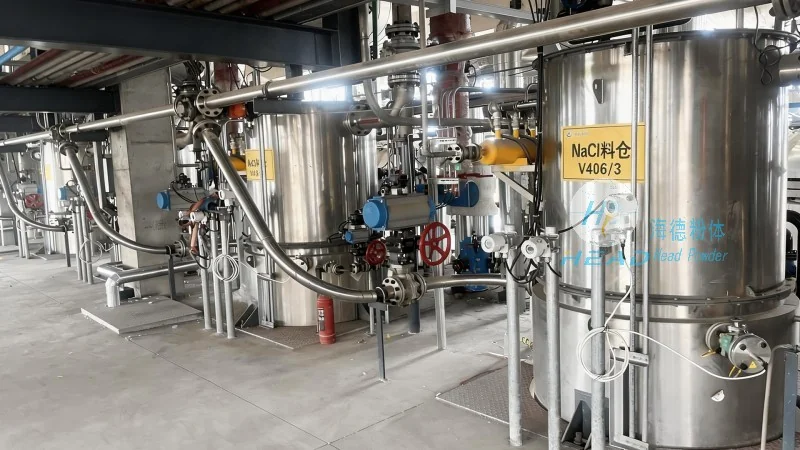
When selecting a calcium fluoride conveying method, several factors must be considered, including the material's properties, the distance to be covered, the required capacity, and the environmental regulations. Pneumatic conveying is ideal for long-distance transport and fine powders, while screw and belt conveyors are suitable for shorter distances and bulk handling. Hydraulic and vibrating conveyors offer specialized solutions for specific applications. Shandong HeadPowder Engineering Co., Ltd. recommends evaluating these factors carefully and choosing the system that best matches the operational requirements. The company provides comprehensive consulting services to help clients select the most appropriate conveying method for their calcium fluoride handling needs, ensuring optimal performance and cost-effectiveness.
Conclusion
Choosing the right calcium fluoride conveying method is essential for efficient and safe material handling in industrial applications. Each method has its advantages and limitations, and the selection should be based on a thorough analysis of the specific requirements. Shandong HeadPowder Engineering Co., Ltd., with its expertise in material handling solutions, offers customized systems that address the unique challenges of calcium fluoride transport. By leveraging the right conveying technology, industries can enhance productivity, improve safety, and reduce operational costs. HeadPowder continues to innovate in the field of calcium fluoride conveying, providing reliable and efficient solutions for its clients worldwide.