

Comparing Common Sodium Hydroxide Delivery Methods
Sodium hydroxide, commonly known as caustic soda, is a highly caustic and versatile chemical widely used in various industrial applications such as pulp and paper production, chemical manufacturing, and water treatment. The efficient and safe delivery of sodium hydroxide is crucial for industrial operations, and understanding the different methods of transportation and handling is essential for optimizing processes and ensuring compliance with safety standards. This article provides a detailed comparison of common sodium hydroxide delivery methods, highlighting their advantages, limitations, and typical applications.
Company Overview: Shandong HeadPowder Engineering Co., Ltd.
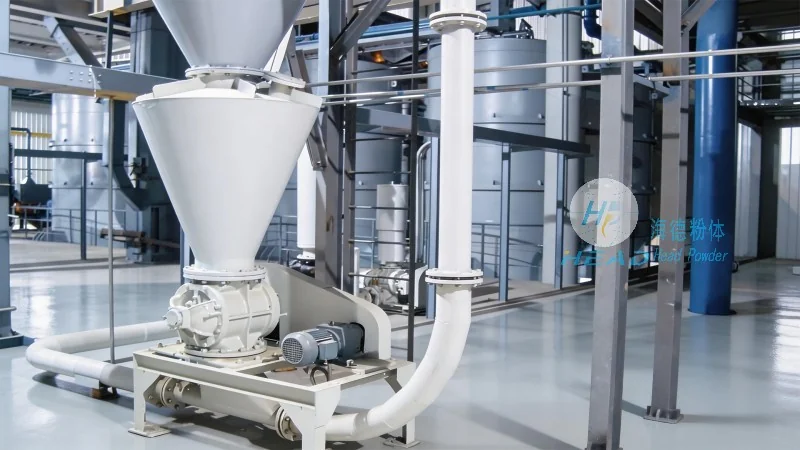
As a leading provider of chemical processing solutions, Shandong HeadPowder Engineering Co., Ltd. specializes in the design, manufacturing, and supply of equipment for handling caustic chemicals. With a strong commitment to quality and safety, the company serves a diverse range of industries, offering tailored solutions for sodium hydroxide delivery systems. HeadPowder's expertise in chemical engineering ensures that their products meet the highest standards of performance and reliability, making them a trusted partner for businesses requiring efficient and secure sodium hydroxide transportation.
Method 1: Pumped Delivery via Closed-Loop Systems
Pumped delivery is one of the most common methods for transporting sodium hydroxide, especially in industrial settings where large volumes are required. This method involves using specialized pumps, such as metering pumps or diaphragm pumps, to move the caustic solution through a closed-loop system. The closed-loop design minimizes exposure to the environment, reducing the risk of spills and contamination. The pump system can be integrated with storage tanks, allowing for continuous or batch delivery as needed. The primary advantage of pumped delivery is its ability to maintain consistent flow rates and pressure, ensuring reliable operation in demanding processes. However, this method requires proper maintenance of the pump and piping to prevent leaks and corrosion, which can be costly if not managed effectively. Typical applications include continuous production lines in chemical manufacturing and large-scale water treatment facilities.
Method 2: Pipeline Transportation
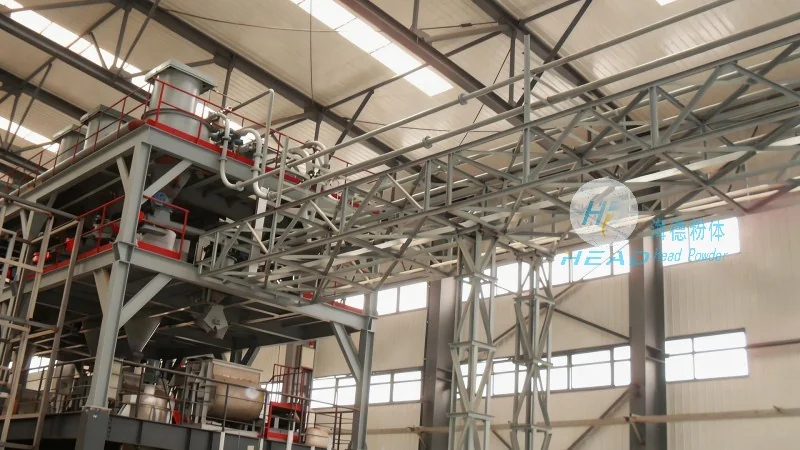
Pipeline transportation is another widely used method for sodium hydroxide delivery, particularly for long-distance or bulk transport. This method involves constructing underground or above-ground pipelines that connect production facilities to end-users or storage sites. The pipelines are typically made of corrosion-resistant materials like stainless steel or lined with protective coatings to withstand the caustic nature of sodium hydroxide. The system operates under pressure, allowing for efficient and continuous flow. One of the key benefits of pipeline transportation is its high capacity and low operational costs compared to other methods. However, the initial investment for pipeline construction is significant, and maintenance of the infrastructure is essential to prevent leaks and ensure long-term reliability. This method is commonly used in regions with established industrial infrastructure, such as the chemical industry clusters in China, where companies like Shandong HeadPowder Engineering Co., Ltd. operate.
Method 3: Tank Truck Delivery
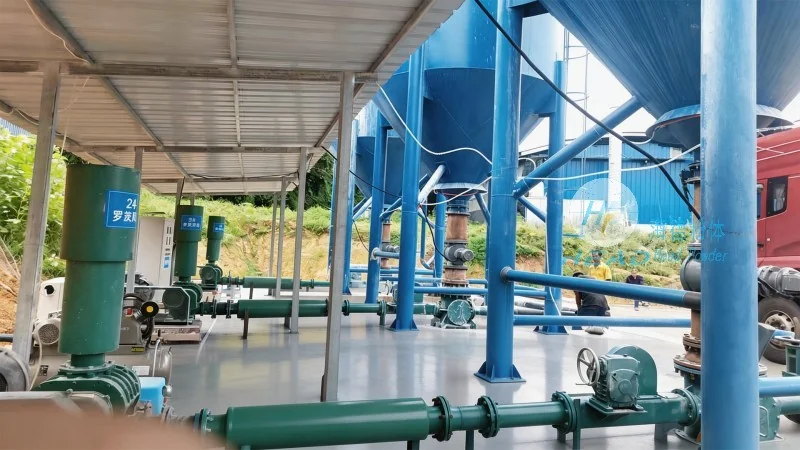
Tank truck delivery is a flexible and widely adopted method for transporting sodium hydroxide, especially for intermediate or small-scale deliveries. This method involves using specialized tank trucks equipped with insulated and corrosion-resistant tanks to carry the caustic solution. The trucks are designed to maintain the temperature and pressure of the sodium hydroxide during transit, ensuring its stability. The primary advantage of tank truck delivery is its ability to reach remote or on-site locations, providing flexibility in delivery schedules. However, this method requires strict adherence to safety regulations, as the transportation of hazardous materials involves risks of spills and accidents. The trucks must be properly maintained and operated by trained personnel to minimize risks. This method is commonly used for delivering sodium hydroxide to smaller industrial facilities or for emergency supply needs.
Method 4: Bulk Storage and Transfer via Bulk Containers
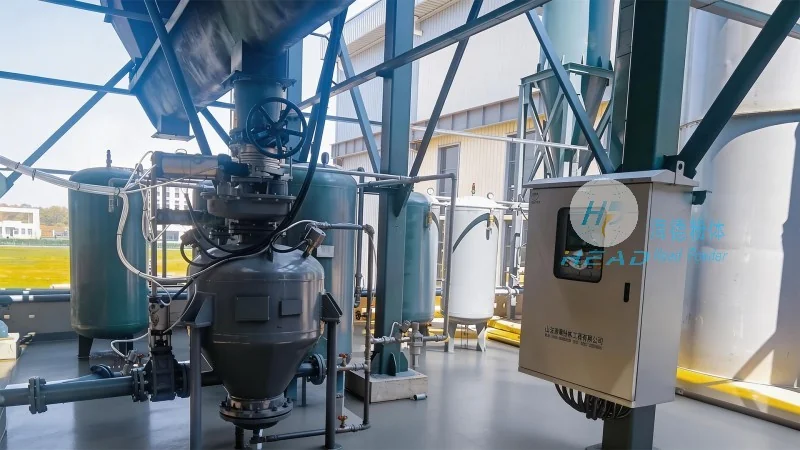
Bulk storage and transfer via bulk containers is a method used for large-scale storage and delivery of sodium hydroxide. This involves storing the chemical in bulk containers, such as tank cars or storage tanks, and transferring it to other vessels or processing units as needed. The containers are typically made of durable materials like carbon steel or stainless steel, with internal linings to prevent corrosion. The transfer process can be done using pumps or gravity flow, depending on the setup. The advantage of this method is its ability to handle large volumes efficiently, reducing the number of delivery trips required. However, bulk storage requires proper ventilation and monitoring to prevent the buildup of fumes and ensure safety. This method is commonly used in large industrial complexes where sodium hydroxide is a key raw material, such as pulp and paper mills or chemical plants.
Conclusion: Choosing the Right Delivery Method
Selecting the appropriate sodium hydroxide delivery method depends on several factors, including the volume of the chemical, the distance to be transported, the end-user's location, and the specific requirements of the industrial process. Each method has its own advantages and limitations, and the choice should be based on a thorough evaluation of safety, cost, and operational efficiency. For businesses in the chemical industry, working with experienced providers like Shandong HeadPowder Engineering Co., Ltd. can help ensure that the chosen delivery method meets all regulatory requirements and optimizes the overall process. By understanding the different delivery options and their applications, companies can make informed decisions that enhance safety, reduce costs, and improve the efficiency of their sodium hydroxide handling operations.