

Comparison of Common Grain and Bulk Material Conveying Methods
Efficient and reliable grain and bulk material handling is crucial for agricultural and industrial operations worldwide. The choice of conveying method directly impacts productivity, cost-effectiveness, and product quality. This article provides a detailed comparison of common grain granule conveying methods, highlighting the advantages and applications of each system. Shandong HeadPowder Engineering Co., Ltd., a leading manufacturer of bulk material handling solutions, specializes in designing and manufacturing tailored conveying equipment to meet diverse industry needs, with operations based in Shandong, China.
1. Screw Conveyors (Auger Conveyors)
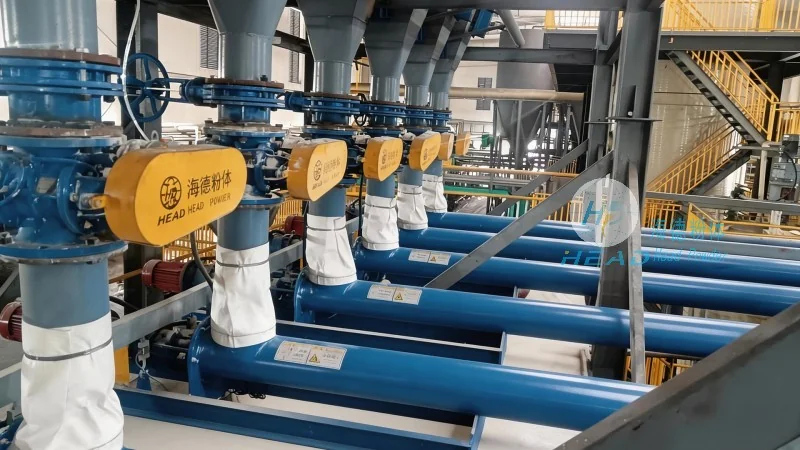
Screw conveyors, also known as auger conveyors, are among the most widely used equipment for transporting granular materials like grains, seeds, and powders. These systems consist of a rotating helical screw blade inside a U-shaped or cylindrical trough. The screw rotates, pushing material forward through the trough. HeadPowder offers high-quality screw conveyors engineered for durability and efficient material transport in agricultural and food processing applications. The design allows for vertical or horizontal material movement, making it versatile for various processes. Key advantages include low maintenance requirements, compact design, and the ability to handle a wide range of bulk materials without the need for additional power sources beyond the motor driving the screw.
2. Pneumatic Conveying Systems
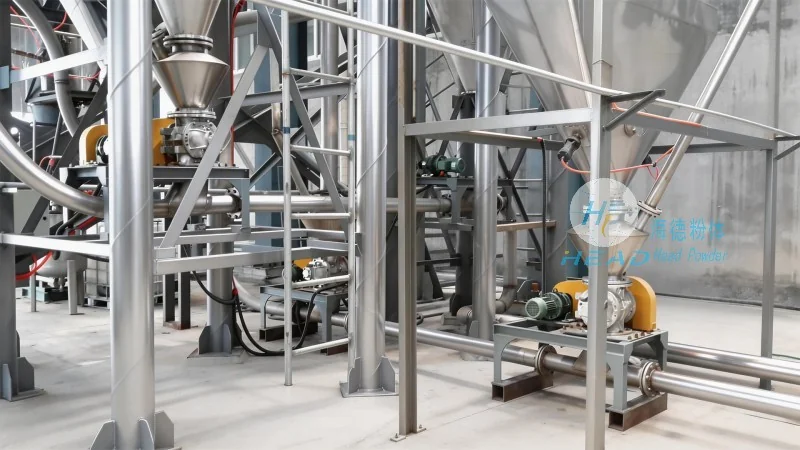
Pneumatic conveying systems utilize air or gas to transport dry, free-flowing materials such as grains, flour, and powders. These systems are categorized into two main types: pressure and vacuum. Pressure systems use compressed air to push material through a pipeline, while vacuum systems use suction to draw material from a source. HeadPowder's pneumatic conveying solutions are designed to handle fine to medium-sized particles, ensuring minimal product degradation and efficient transport over long distances. The technology is particularly effective for transporting materials in food processing, pharmaceuticals, and chemical industries where product purity and contamination control are critical. Pneumatic conveyors offer advantages like continuous operation, low labor costs, and the ability to transport materials through vertical and horizontal paths simultaneously.
3. Belt Conveyors
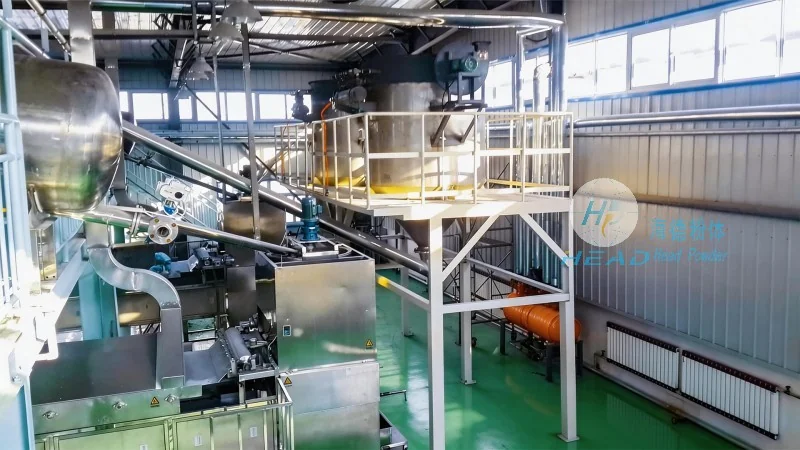
Belt conveyors are another common method for transporting bulk materials, including grains and other granular products. These systems feature a continuous belt that moves over rollers or pulleys, carrying the material from one point to another. HeadPowder manufactures robust belt conveyor systems suitable for heavy-duty applications in agricultural and industrial settings. The design allows for both horizontal and inclined transport, making it ideal for loading and unloading trucks, silos, and processing facilities. Belt conveyors are known for their high capacity, low maintenance, and ability to handle a wide variety of materials, including wet or sticky substances. They are particularly effective in environments where material needs to be transported over long distances or elevated heights.
4. Bucket Elevators
Bucket elevators are vertical or inclined conveyor systems that use a series of buckets attached to a belt or chain to lift and transport bulk materials. These systems are widely used in the grain industry for moving grains from storage silos to processing areas or for vertical transport in industrial plants. HeadPowder's bucket elevator solutions are engineered for high efficiency and durability, capable of handling large volumes of grain with minimal downtime. The design ensures that material is lifted vertically while maintaining product integrity, making it suitable for applications where vertical space is limited. Key benefits include high capacity, low energy consumption, and the ability to transport materials over significant vertical heights without the need for additional horizontal components.
5. Scraper Conveyors (Plough Conveyors)
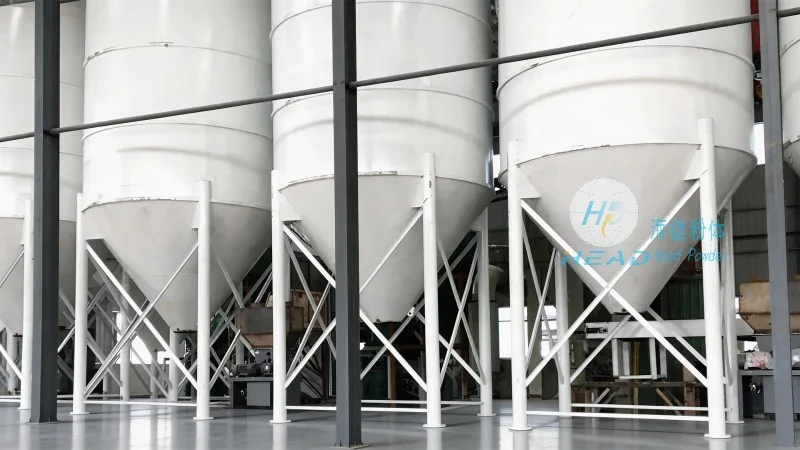
Scraper conveyors, also known as plough conveyors, are specialized equipment used for transporting sticky or cohesive materials like wet grains, clay, or powders that tend to cling to traditional conveyor belts. These systems feature a plough or scraper blade that pushes material along the conveyor surface, preventing build-up and ensuring smooth transport. HeadPowder provides scraper conveyors designed to handle challenging materials, ensuring efficient operation in industries such as food processing and mining. The design allows for the handling of materials with high moisture content or those that are prone to caking, making it a valuable solution for applications where other conveyor types may fail. The system's ability to maintain consistent material flow and prevent blockages makes it essential for maintaining production efficiency.
6. Comparison and Selection Considerations
When selecting a grain and bulk material conveying method, several factors must be considered, including material characteristics, transport distance, required capacity, and operational environment. Screw conveyors are ideal for short to medium horizontal or vertical transport of dry, free-flowing materials. Pneumatic systems excel in long-distance transport and applications requiring product purity. Belt conveyors offer high capacity and versatility for various material types. Bucket elevators are best suited for vertical transport over significant heights. Scraper conveyors are essential for handling sticky or cohesive materials. HeadPowder's expertise lies in customizing conveying systems to meet specific operational requirements, ensuring optimal performance and cost-effectiveness. By evaluating material properties, transport needs, and operational constraints, businesses can choose the most suitable conveying method to enhance productivity and efficiency in their grain handling processes.