

Comparison of Common Calcined Lime Conveying Methods
When it comes to transporting calcined lime, which is a crucial material in various industrial applications, selecting the right conveying method is vital for efficiency, cost-effectiveness, and operational safety. Calcined lime, also known as quicklime, is widely used in sectors like construction, steel production, and chemical processing. The choice of conveying method depends on factors such as material properties, distance, volume, and environmental considerations. This article provides a detailed comparison of common calcined lime conveying methods, highlighting their advantages, limitations, and applications.
About HeadPowder Engineering
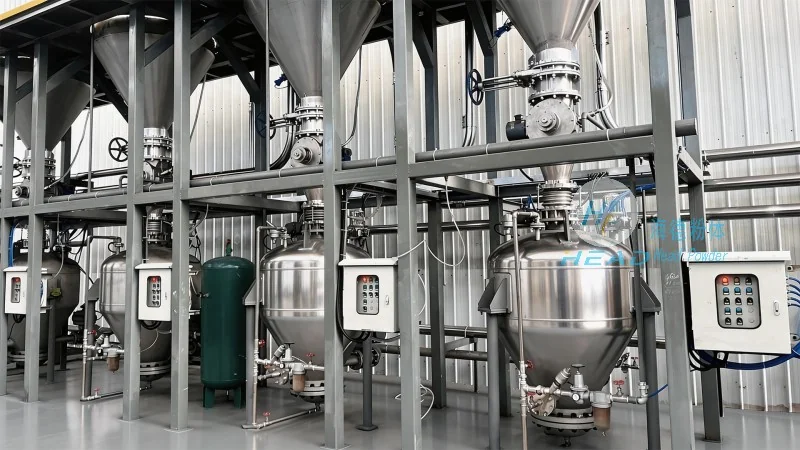
HeadPowder, a leading provider of calcined lime handling solutions, specializes in designing and manufacturing efficient conveying systems tailored to meet the diverse needs of industrial clients. With years of experience and a commitment to quality, HeadPowder offers reliable equipment that ensures safe and effective calcined lime transportation. The company’s headquarters is located in Shandong, China, where it leverages advanced technology and expertise to deliver superior products and services to the global market.
Pneumatic Conveying Systems for Calcined Lime
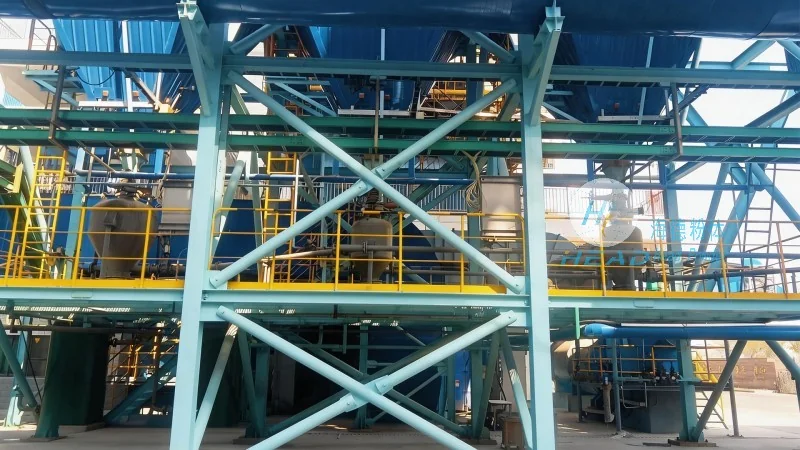
Pneumatic conveying is a widely adopted method for calcined lime transportation, especially for long distances or when the material needs to be moved through enclosed pipelines. This method uses air pressure to transport the material, which can be either positive or negative pressure systems. Positive pressure systems push the material through the pipeline using a blower, while negative pressure systems draw the material into the pipeline using a vacuum. Pneumatic conveying offers several advantages, including high efficiency, minimal material degradation, and the ability to transport calcined lime over long distances without the need for intermediate storage. However, it may require higher energy consumption and may not be suitable for very fine or abrasive materials. HeadPowder provides advanced pneumatic conveying solutions that optimize air flow and material handling, ensuring reliable performance in various industrial settings.
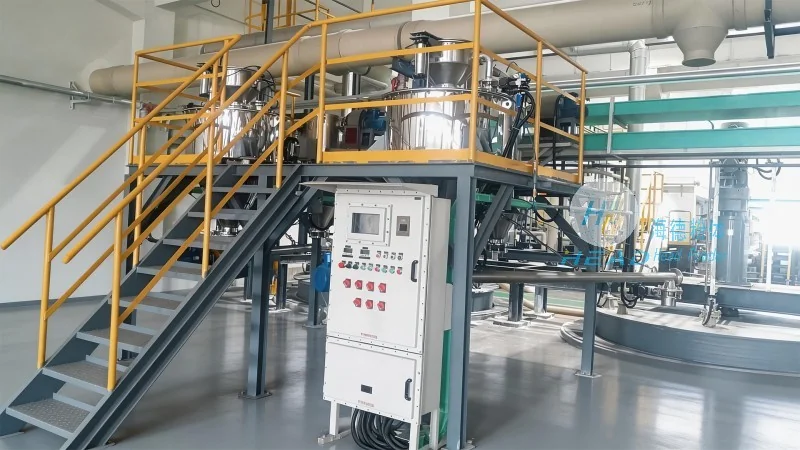
Mechanical Conveying Methods: Screw Conveyors
Screw conveyors are a common mechanical method for transporting calcined lime, particularly for short to medium distances and when the material is in bulk form. These systems use a rotating screw (auger) to move the material along a trough or pipe. Screw conveyors are relatively simple in design, easy to install, and can handle a wide range of material sizes and consistencies. They are suitable for horizontal or slightly inclined applications and can be used in both indoor and outdoor environments. However, screw conveyors may experience wear and tear due to the abrasive nature of calcined lime, and they are not ideal for very fine powders that can cause blockages. HeadPowder offers durable screw conveyor systems with high-quality materials and robust construction to ensure long-term reliability and minimal maintenance.
Bucket Elevators for Vertical Calcined Lime Conveying

For vertical transportation of calcined lime, bucket elevators are an effective solution. These systems use a series of buckets attached to a belt or chain that moves vertically, lifting the material from a lower to a higher level. Bucket elevators are capable of handling large volumes of material and can transport calcined lime over significant vertical distances. They are commonly used in applications where the material needs to be elevated to a higher point, such as in storage silos or processing plants. The main advantages of bucket elevators include high capacity, low energy consumption, and minimal space requirements. However, they may require regular maintenance to ensure the buckets and drive mechanisms are in good working condition. HeadPowder’s bucket elevator systems are designed with heavy-duty components and advanced control systems to provide efficient vertical conveying of calcined lime.
Choosing the Right Calcined Lime Conveying Method
The selection of the most suitable calcined lime conveying method depends on several factors, including the distance to be covered, the volume of material, the material's physical properties (such as particle size and abrasiveness), and the operational environment. Pneumatic conveying is often preferred for long-distance or enclosed pipeline applications, while screw conveyors and bucket elevators are more suitable for shorter distances or vertical lifting. HeadPowder’s expertise lies in providing customized conveying solutions that address the specific needs of each client. By evaluating the pros and cons of each method, industrial operators can make informed decisions to optimize their calcined lime handling processes, ensuring efficiency, safety, and cost-effectiveness.