

Common Transport Methods for Lithium-Ion Battery Nanomaterials: A Comparative Analysis
For manufacturers in the lithium-ion battery industry, the efficient and reliable transport of nanomaterials is a critical factor in production quality and operational efficiency. The choice of transport method directly impacts the purity, uniformity, and overall performance of the final battery components. This article provides a detailed comparison of common transport methods used for lithium-ion battery nanomaterials, highlighting the advantages and considerations of each approach.
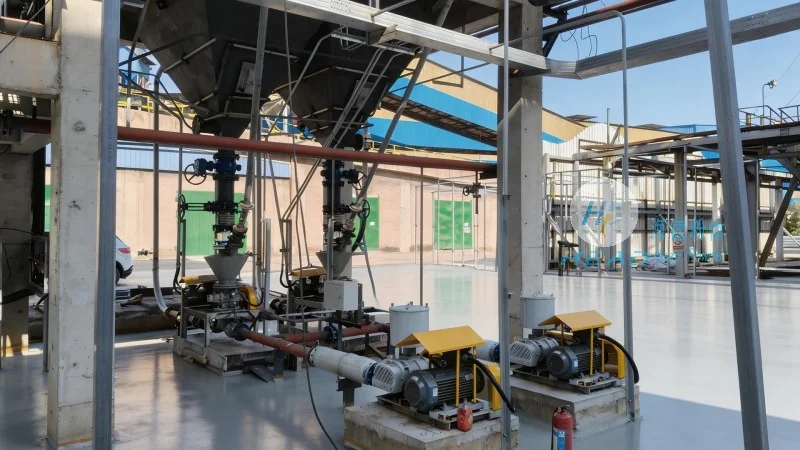
Company Profile: Shandong HeadPowder Engineering Co., Ltd.
HeadPowder, a leading provider of advanced powder processing solutions, specializes in the development and application of technologies for handling nanomaterials used in lithium-ion batteries. With a focus on precision and innovation, HeadPowder offers tailored solutions to meet the unique challenges of nanomaterial transport in battery manufacturing. The company’s headquarters is located in Shandong, China, where it leverages local expertise and resources to deliver high-quality products and services to global clients.
1. Air-Flow Transport (Pneumatic Conveying)
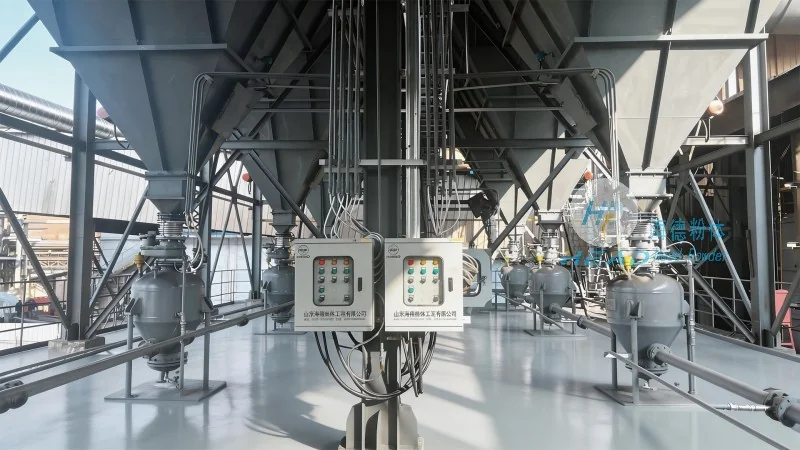
Air-flow transport, also known as pneumatic conveying, is a widely used method for moving nanomaterials due to its ability to handle fine powders and maintain product integrity. This method involves transporting material through a pipeline using compressed air or other gases. There are two primary types of pneumatic conveying: dilute-phase and dense-phase. Dilute-phase systems use low air velocity to transport material in a dispersed state, making them suitable for long-distance transport and high-volume applications. Dense-phase systems, on the other hand, use higher air velocity and lower material flow rates to minimize particle degradation and ensure consistent particle size distribution. HeadPowder’s advanced pneumatic conveying systems are designed to optimize both efficiency and product quality, with features such as adjustable air pressure, particle size control, and contamination prevention. These systems are particularly effective for transporting sensitive nanomaterials, as they minimize mechanical stress and exposure to external contaminants.
2. Mechanical Conveying (Belt and Screw Conveyors)
Mechanical conveying methods, including belt conveyors and screw conveyors, are another common approach for transporting lithium-ion battery nanomaterials. Belt conveyors use a continuous belt to move material horizontally or at a slight incline, making them ideal for bulk material handling and long-distance transport. They are particularly useful for transporting larger quantities of material with minimal energy consumption. Screw conveyors, or auger conveyors, use a rotating screw to push material forward, which is suitable for handling dry, free-flowing powders. These systems are often used in combination with other equipment, such as hoppers and feeders, to ensure smooth material flow. HeadPowder’s mechanical conveying solutions are designed with durable materials and precise engineering to handle the abrasive nature of nanomaterials, ensuring long service life and consistent performance. The company’s conveyors are equipped with features like variable speed control, material level sensors, and easy maintenance access, enhancing operational flexibility and reliability.
3. Hydraulic Transport
Hydraulic transport, or slurry transport, involves mixing nanomaterials with a liquid carrier to form a slurry, which is then pumped through pipelines. This method is particularly effective for transporting materials with high moisture content or those that are difficult to handle in dry form. The slurry is typically pumped using high-pressure pumps, and the liquid carrier is later separated from the material, allowing for reuse. Hydraulic transport is commonly used in applications where material is transported over long distances or through complex piping systems. HeadPowder’s hydraulic transport systems are designed to handle a wide range of nanomaterials, with features such as adjustable pump pressure, slurry concentration control, and filtration systems to maintain product purity. These systems are particularly useful for transporting materials that are prone to agglomeration or caking, as the liquid carrier helps maintain particle dispersion.
4. Vibratory Transport
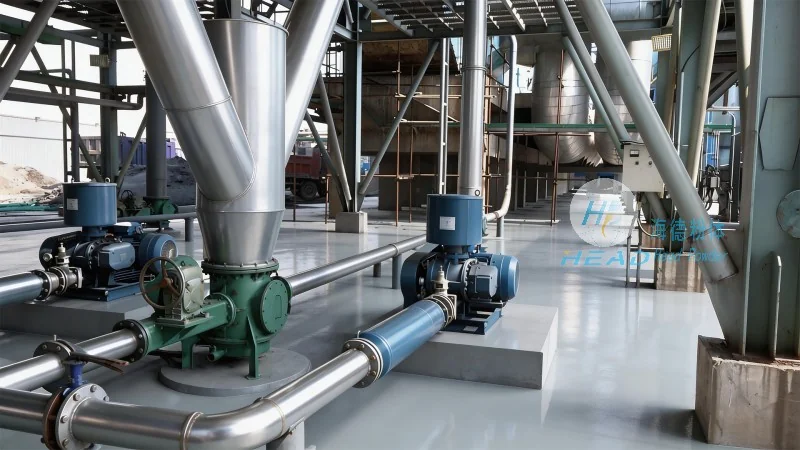
Vibratory transport systems use vibration to move nanomaterials along a conveyor or hopper. The vibration causes the material to flow in a controlled manner, reducing the risk of clogging and ensuring consistent transport. This method is particularly effective for handling materials with poor flow characteristics, such as cohesive or sticky powders. Vibratory conveyors are often used in combination with other equipment, such as feeders and classifiers, to improve material handling efficiency. HeadPowder’s vibratory transport solutions are designed with adjustable vibration frequency and amplitude, allowing for customization to suit different material types. The systems are equipped with features like material level monitoring, overfill protection, and easy cleaning, enhancing safety and operational reliability. Vibratory transport is particularly useful for transporting nanomaterials that are sensitive to mechanical stress, as the gentle vibration minimizes particle damage.
Conclusion and Recommendations
Choosing the right transport method for lithium-ion battery nanomaterials depends on several factors, including material properties, production scale, and operational requirements. Air-flow transport is ideal for fine, sensitive materials, while mechanical conveying is suitable for bulk handling. Hydraulic transport is effective for materials with high moisture content, and vibratory transport is beneficial for cohesive powders. HeadPowder’s comprehensive range of transport solutions, including pneumatic, mechanical, hydraulic, and vibratory systems, provides manufacturers with the flexibility to select the most appropriate method for their specific needs. By leveraging advanced technology and engineering expertise, HeadPowder ensures that nanomaterials are transported with minimal degradation, maintaining the high quality and performance required for lithium-ion batteries. For more information on HeadPowder’s transport solutions, please contact our team in Shandong, China.