

Comparison of Common Limestone Transport Methods: Advantages and Disadvantages
Shandong HeadPowder Engineering Co., Ltd., a leading provider in the limestone processing industry based in Shandong, China, offers insights into the common limestone transport methods, highlighting their pros and cons to help industrial clients make informed decisions. The company specializes in engineering solutions tailored to various industrial needs, ensuring optimal performance and reliability in limestone handling processes.
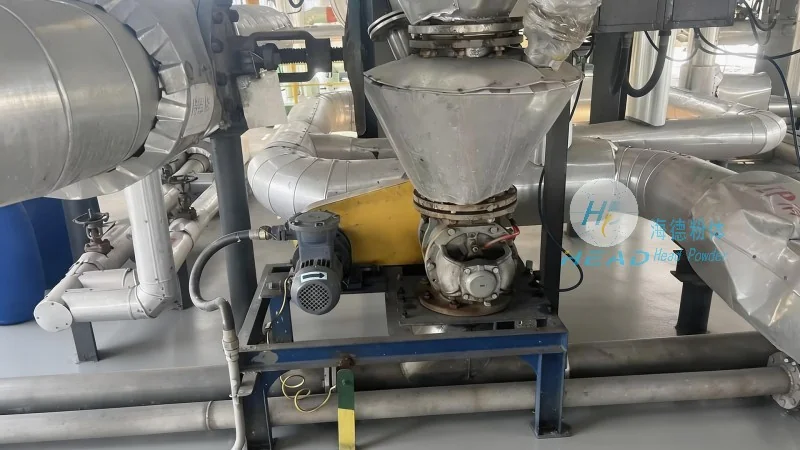
Pneumatic Conveying: Advantages and Challenges
Pneumatic conveying systems utilize air to transport limestone particles through a network of pipes. This method is particularly effective for handling fine or dusty limestone, as it can transport materials over relatively long distances without the need for complex machinery. One of the key advantages of pneumatic conveying is its ability to handle materials that are difficult to move with traditional methods, such as wet or sticky limestone. However, this method also has notable drawbacks. The primary challenge is the high energy consumption required to generate sufficient air pressure, which can increase operational costs. Additionally, the system is susceptible to blockages if the limestone particles are too large or have high moisture content, leading to downtime and maintenance issues. Shandong HeadPowder Engineering Co., Ltd. has developed advanced pneumatic conveying solutions that address these challenges, incorporating efficient air compression systems and robust material handling components to ensure reliable operation.
Belt Conveying: Reliability and Versatility
Belt conveying is one of the most widely used methods for transporting limestone, especially in bulk material handling applications. This method involves moving limestone on a continuous belt, which can be customized to handle various particle sizes and loads. The primary advantage of belt conveying is its high capacity and ability to transport materials over long distances with minimal maintenance. It is particularly suitable for transporting large quantities of limestone from mines to processing plants or storage facilities. However, belt conveying also has limitations. The system requires regular inspection and maintenance to prevent belt wear, slippage, or damage, which can lead to operational disruptions. Additionally, the initial investment for a belt conveyor system is relatively high, and the space required for installation can be substantial. Shandong HeadPowder Engineering Co., Ltd. offers customized belt conveyor solutions that optimize performance and reduce maintenance costs, ensuring smooth and efficient limestone transport.
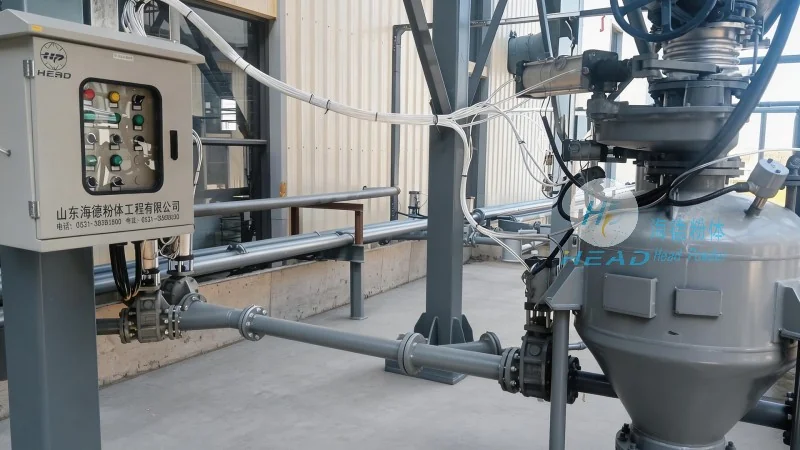
Pipeline Transport: Continuous and Efficient
Pipeline transport involves moving limestone through a closed pipeline system, often using pumps or gravity to facilitate movement. This method is ideal for transporting limestone over long distances, especially in applications where the material needs to be delivered to a specific location without interruption. The main advantage of pipeline transport is its continuous operation, which minimizes downtime and maximizes throughput. It is particularly effective for transporting limestone in industrial processes where a steady supply is critical, such as in flue gas desulfurization (FGD) systems. However, pipeline transport has significant drawbacks. The initial capital investment is high due to the need for specialized equipment and infrastructure. Additionally, the system is prone to clogging if the limestone particles are too large or have high moisture content, requiring regular cleaning and maintenance. Shandong HeadPowder Engineering Co., Ltd. has expertise in designing and implementing pipeline transport systems that address these challenges, incorporating advanced materials and flow control technologies to ensure reliable and efficient limestone delivery.
Screw Conveying: Compact and Low-Profile
Screw conveying systems use a rotating screw to move limestone through a tube or trough. This method is suitable for transporting limestone over short to medium distances, especially in applications where space is limited. The primary advantage of screw conveying is its compact design, which allows for installation in confined areas without the need for extensive infrastructure. It is particularly effective for handling small to medium quantities of limestone in processing plants or storage facilities. However, screw conveying also has limitations. The system is susceptible to wear and tear, especially when handling abrasive limestone particles, leading to higher maintenance costs over time. Additionally, the capacity of screw conveyors is lower compared to other methods, making them less suitable for large-scale transport. Shandong HeadPowder Engineering Co., Ltd. provides screw conveying solutions with durable materials and efficient designs, ensuring reliable operation and minimizing maintenance requirements.
Gravity Conveying: Cost-Effective for Short Distances
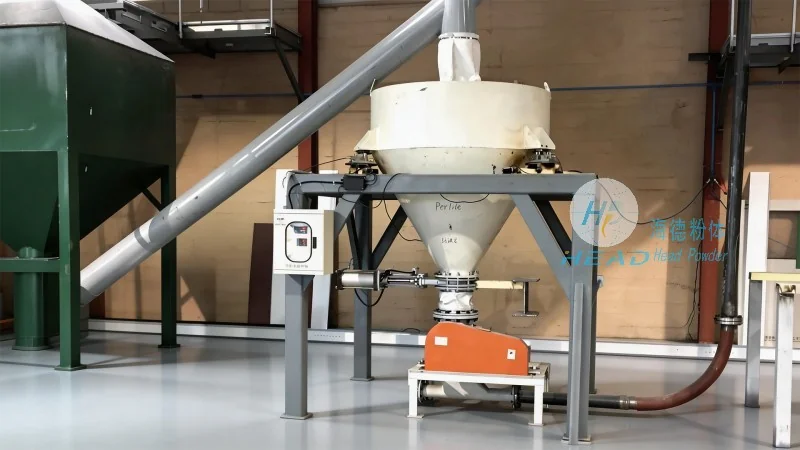
Gravity conveying relies on the natural slope of the terrain to move limestone from one location to another. This method is suitable for transporting limestone over short distances, especially in applications where the topography allows for a natural incline. The main advantage of gravity conveying is its low cost, as it requires minimal equipment and infrastructure. It is particularly effective for transporting limestone from mines to processing plants or storage areas in hilly or mountainous regions. However, gravity conveying has significant limitations. The system is only effective for short distances and requires a suitable slope, which may not be available in all locations. Additionally, the speed of transport is variable and depends on the slope and material characteristics, leading to inconsistent delivery times. Shandong HeadPowder Engineering Co., Ltd. offers gravity conveying solutions that optimize the use of natural terrain, ensuring efficient and cost-effective limestone transport in suitable applications.
Conclusion: Choosing the Right Limestone Transport Method
When selecting a limestone transport method, industrial clients must consider factors such as material characteristics, distance, capacity, and budget. Shandong HeadPowder Engineering Co., Ltd. provides expert guidance and customized solutions to help clients choose the most suitable method for their specific needs. Whether it's pneumatic, belt, pipeline, screw, or gravity conveying, the company's engineering expertise ensures that the chosen method is efficient, reliable, and cost-effective. By understanding the advantages and disadvantages of each method, clients can make informed decisions that enhance operational performance and reduce long-term costs. Based in Shandong, China, Shandong HeadPowder Engineering Co., Ltd. remains committed to delivering high-quality limestone transport solutions that meet the evolving needs of the industrial sector.