

Common Dust Transport Methods: A Comparison of Their Advantages and Disadvantages
When it comes to handling and transporting dust in industrial settings, selecting the right method is crucial for efficiency, safety, and cost-effectiveness. Different dust transport technologies offer unique benefits and drawbacks, making it essential to understand each option thoroughly. This article provides a detailed comparison of common dust transport methods, focusing on their advantages and disadvantages, to help industrial operators make informed decisions.
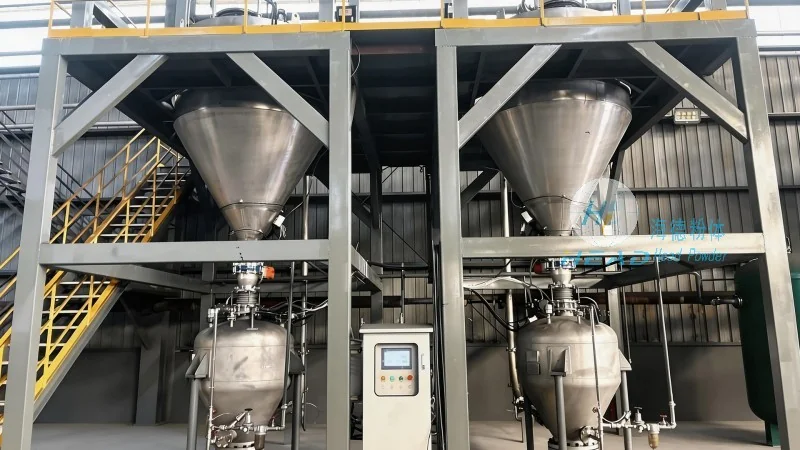
Overview of Dust Transport Methods
Dust transport refers to the process of moving particulate matter from one location to another within a facility or between facilities. The choice of method depends on factors such as the type and size of dust particles, the volume of material to be transported, the distance to be covered, and the specific requirements of the application. Common dust transport methods include pneumatic conveying, mechanical conveying, and vacuum systems. Each method has its own set of characteristics that make it suitable for different scenarios.
Pneumatic Conveying Systems
Pneumatic conveying uses air pressure or vacuum to move dust particles through a pipeline. This method is widely used in industries such as food processing, pharmaceuticals, and chemicals due to its ability to handle a wide range of materials, including fine powders and granules. There are two main types of pneumatic conveying: pressure and vacuum systems. Pressure systems use compressed air to push material through the pipeline, while vacuum systems use suction to draw material into the system.
One of the key advantages of pneumatic conveying is its ability to transport materials over long distances with minimal maintenance. It is also suitable for handling materials that are sensitive to moisture or contamination, as the system can be sealed to prevent external factors from affecting the material. However, pneumatic conveying has some drawbacks, including higher energy consumption compared to other methods and the potential for material degradation if the system is not properly designed or maintained.
Mechanical Conveying Systems

Mechanical conveying relies on mechanical components such as belts, screws, and buckets to move dust particles. This method is commonly used in bulk material handling applications, such as in mining and construction industries. Mechanical conveyors are generally more cost-effective for short to medium distances and for handling larger particles compared to pneumatic systems.
Advantages of mechanical conveying include lower energy consumption and lower initial costs compared to pneumatic systems. They are also more durable and can handle a wide range of materials, including abrasive and heavy particles. However, mechanical conveyors have limitations in terms of distance and material flexibility. They are not suitable for transporting fine powders over long distances, as the material may degrade or clog the system.
Vacuum Systems
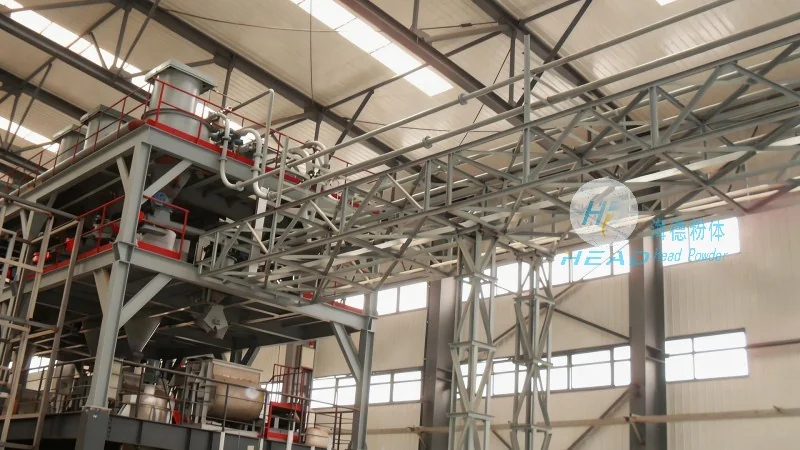
Vacuum systems use suction to draw dust particles into a collection or transport system. This method is often used for cleaning applications, such as in industrial vacuum cleaners or dust collection systems. Vacuum systems are particularly effective for handling fine dust particles and can be used to collect dust from a wide area.
One of the main advantages of vacuum systems is their ability to collect dust from multiple sources simultaneously, making them ideal for applications where dust is generated in various locations. They are also relatively easy to install and maintain, and can be integrated with other systems for comprehensive dust management. However, vacuum systems have limitations in terms of the distance they can transport material and the capacity of the system. They are generally more suitable for short-distance transport and for handling smaller volumes of material.
Factors to Consider When Choosing a Dust Transport Method
When selecting a dust transport method, several factors must be considered to ensure the best performance and cost-effectiveness. The first factor is the type and size of the dust particles. Fine powders may require pneumatic or vacuum systems, while larger particles may be better suited for mechanical conveyors. The second factor is the distance to be covered. For short distances, mechanical conveyors may be sufficient, while for long distances, pneumatic or vacuum systems are more appropriate. The third factor is the material's properties, such as its moisture content, abrasiveness, and density. These properties can affect the choice of system and the need for additional equipment, such as filters or dryers.
Conclusion
Choosing the right dust transport method is critical for optimizing industrial operations and ensuring compliance with safety and environmental regulations. Pneumatic conveying, mechanical conveying, and vacuum systems each offer unique advantages and disadvantages, making it essential to evaluate the specific requirements of the application. By understanding the characteristics of each method and considering factors such as material type, distance, and system requirements, industrial operators can select the most suitable dust transport solution. Shandong HeadPowder Engineering Co., Ltd. specializes in providing customized dust transport solutions tailored to the needs of various industries, ensuring efficient and safe material handling.