

Comparison of Common Fine Sand Conveying Methods: Advantages and Disadvantages
When it comes to transporting fine sand in industrial applications, selecting the right conveying method is crucial for efficiency, cost-effectiveness, and operational reliability. Various technologies are available, each with distinct advantages and disadvantages that must be carefully considered based on specific project requirements. This article provides a detailed comparison of common fine sand conveying methods, focusing on their operational characteristics, benefits, and potential drawbacks.
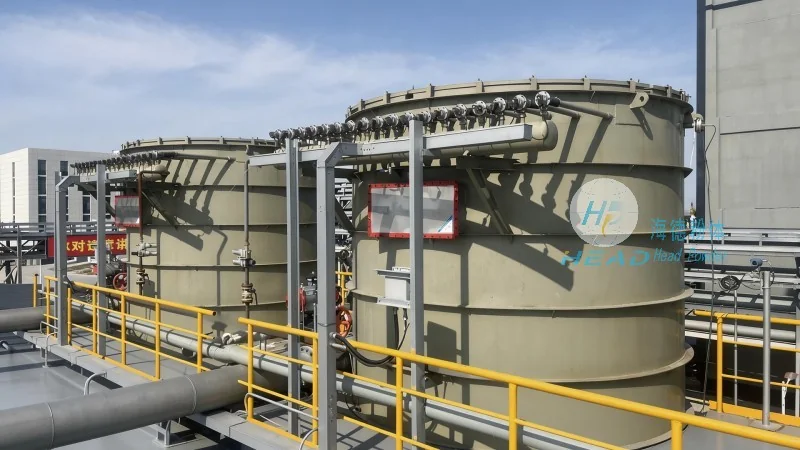
Overview of Fine Sand Conveying Methods
Fine sand, typically defined as particles smaller than 0.0625 mm (or 200 mesh), poses unique challenges during transportation due to its fine particle size, high moisture content, and tendency to clog or cause blockages in traditional systems. Effective conveying solutions must address these challenges while maintaining consistent flow rates and minimizing material loss. The primary methods used for fine sand transportation include screw conveyors, pneumatic (air) conveying systems, and belt conveyors, among others. Each method has evolved to meet specific operational needs, and understanding their differences is essential for optimal system design.
Screw Conveyors for Fine Sand Transport
Screw conveyors, also known as auger conveyors, are widely used for fine sand transport due to their simplicity and effectiveness in handling granular materials. These systems consist of a rotating helical screw inside a U-shaped or tubular housing, which moves material forward through the mechanism. The primary advantage of screw conveyors is their ability to handle fine sand without the need for additional air or pressure, making them suitable for applications where dust control is a priority. They are also relatively low-cost to install and maintain, with minimal moving parts that reduce the risk of mechanical failure. However, screw conveyors have limitations when dealing with very fine or highly cohesive sand, as the material can stick to the screw surface or the housing walls, leading to reduced capacity and increased energy consumption. Additionally, they are not ideal for long-distance transport, as the pressure drop can become significant, and the risk of material degradation increases with the length of the conveyor.
Pneumatic Conveying Systems: Advantages and Challenges
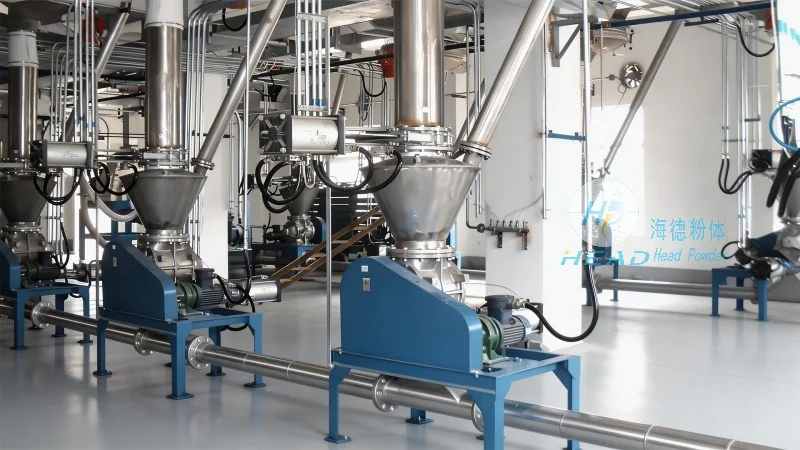
Pneumatic conveying systems use air or other gases to transport fine sand through a pipeline. These systems can be classified as pressure or vacuum types, with pressure systems being more common for fine sand applications due to their ability to handle high volumes and long distances. The main advantage of pneumatic conveying is its flexibility in transporting fine sand over long distances without the need for multiple transfer points. It also allows for the integration of multiple feeding and discharge points, making it suitable for complex processing lines. Furthermore, pneumatic systems can handle abrasive materials like fine sand without causing excessive wear on components, as the material is suspended in the air stream. However, pneumatic conveying has significant drawbacks, including high energy consumption, as large volumes of air are required to move the material. This can lead to increased operational costs and higher maintenance needs for air compressors and filters. Additionally, fine sand can cause blockages in the pipeline if the system is not properly designed or if the air flow is insufficient, leading to system downtime and the need for cleaning procedures. Another challenge is the potential for material degradation, as the high-speed air flow can cause attrition of the sand particles, affecting their quality.
Belt Conveyors: Efficiency and Limitations
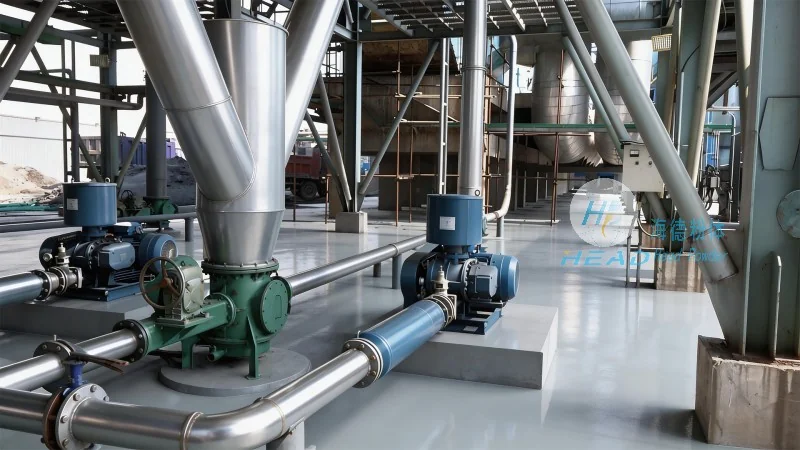
Belt conveyors are another common method for fine sand transport, particularly in applications where large volumes of material need to be moved over short to medium distances. These systems consist of a continuous belt that moves over rollers or pulleys, with the material placed on the belt and carried to the discharge point. The primary advantage of belt conveyors is their high capacity and ability to transport fine sand over long distances with minimal maintenance. They are also relatively low-cost to operate compared to pneumatic systems, as they do not require air compressors or complex filtration systems. Belt conveyors are also suitable for handling abrasive materials, as the belt and rollers are designed to withstand the wear caused by fine sand. However, belt conveyors have limitations when dealing with very fine or sticky sand, as the material can adhere to the belt surface, reducing the effective capacity and causing slippage. Additionally, they are not ideal for vertical transport or steep inclines, as the belt tension and material flow can be affected by the angle of the conveyor. The risk of material spillage and dust generation is also higher with belt conveyors compared to enclosed systems like screw or pneumatic conveyors.
Choosing the Right Conveying Method for Fine Sand
When selecting a fine sand conveying method, several factors must be considered to ensure optimal performance and cost-effectiveness. The first consideration is the distance and layout of the transport system, as different methods are better suited for short, medium, or long distances. For example, screw conveyors are ideal for short horizontal or slight incline transport, while pneumatic systems are better for long-distance or complex layouts. The second factor is the material characteristics, including particle size, moisture content, and abrasiveness. Fine sand with high moisture content may require a system that can handle wet materials, such as a screw conveyor with a sealed housing or a pneumatic system with moisture control. The third factor is the operational environment, including space constraints, dust control requirements, and noise levels. For example, enclosed systems like pneumatic conveyors are better for environments where dust generation is a concern, while open belt conveyors may be suitable for outdoor applications with minimal dust control needs. The fourth factor is the budget and maintenance requirements, as different methods have varying costs and maintenance needs. For instance, screw conveyors are low-cost to install and maintain, while pneumatic systems require more frequent maintenance of air compressors and filters.
Conclusion
In conclusion, the choice of fine sand conveying method depends on a combination of operational requirements, material characteristics, and budget constraints. Each method has its own advantages and disadvantages, and the optimal solution is determined by carefully evaluating these factors. Screw conveyors offer simplicity and low cost but have limitations with very fine or cohesive sand. Pneumatic systems provide flexibility and long-distance transport but require high energy consumption and maintenance. Belt conveyors offer high capacity and low operating costs but have limitations with fine or sticky materials. By understanding these differences and considering the specific needs of the application, industrial operators can select the most suitable fine sand conveying method to ensure efficient and reliable operation. Shandong HeadPowder Engineering Co., Ltd., a leading provider of fine sand handling solutions, offers a range of conveying systems tailored to meet the diverse needs of industrial clients, ensuring optimal performance and cost-effectiveness in fine sand transportation.