

Advantages and Disadvantages of Common Sand and Soil Conveying Methods
Sand and soil are fundamental materials in various industrial and construction applications. Efficient and reliable conveying of these materials is crucial for maintaining productivity and ensuring quality in processes such as mining, construction, and material processing. Different conveying methods are employed based on specific operational requirements, material characteristics, and site conditions. This article provides a detailed comparison of common sand and soil conveying methods, highlighting their advantages and disadvantages to help users make informed decisions.
1. Belt Conveyor (Pulley Conveyor)
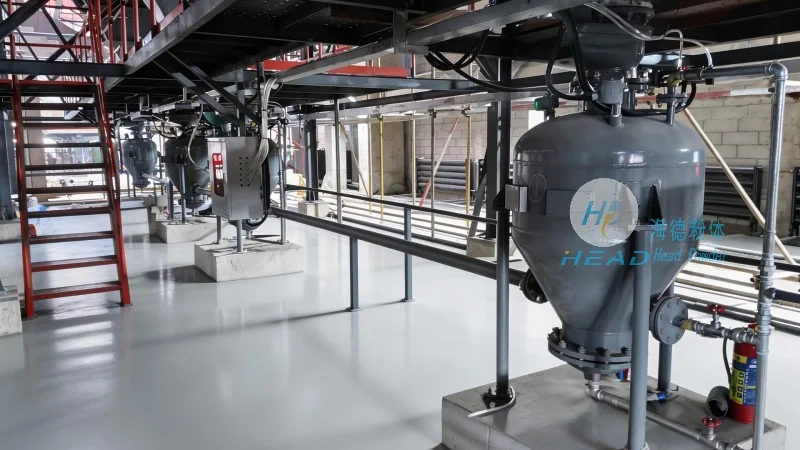
The belt conveyor is one of the most widely used methods for transporting bulk materials like sand and soil. It consists of a continuous loop of belt that moves over pulleys, transporting the material from the loading point to the discharge point. The primary advantage of belt conveyors is their high capacity and ability to handle long distances with minimal maintenance. They are particularly suitable for transporting large volumes of material over horizontal or slightly inclined paths. However, belt conveyors have limitations when it comes to handling highly abrasive or sticky materials, as the belt may wear out quickly. Additionally, they require significant space for installation and may not be suitable for vertical or steep incline applications. The cost of installation and maintenance can also be a factor, especially for large-scale systems.
2. Pneumatic Conveying (Air-Lift or Air-Flow System)
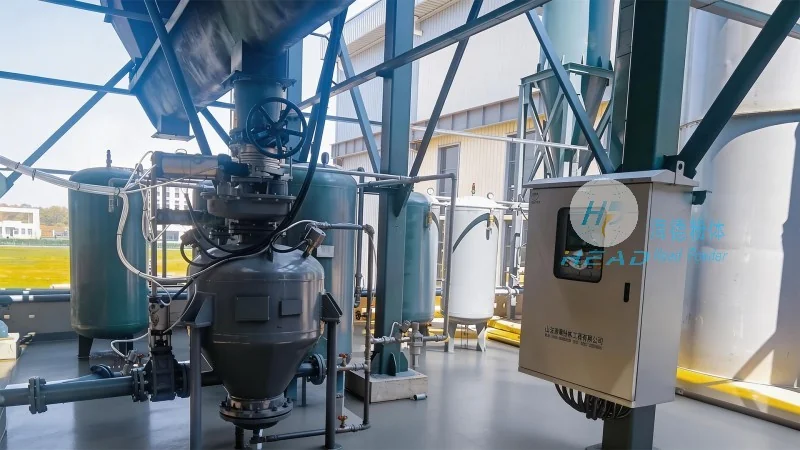
Pneumatic conveying uses air pressure to transport sand and soil through a pipeline. This method is ideal for handling fine powders and granular materials that are difficult to transport with mechanical systems. One of the key advantages of pneumatic conveying is its ability to transport materials over long distances without the need for multiple transfer points. It also allows for enclosed transport, which helps in controlling dust and maintaining environmental standards. However, pneumatic systems have higher energy consumption compared to mechanical conveyors, as they require powerful air compressors. The system can also be affected by variations in material moisture content, as excessive moisture may cause blockages in the pipeline. Additionally, the initial investment for a pneumatic conveying system is generally higher than for other methods, and maintenance of the air compressor and pipeline system is essential.
3. Screw Conveyor (Auger Conveyor)
Screw conveyors use a rotating screw or auger to move sand and soil through a tube or trough. This method is suitable for horizontal or slightly inclined transport and is commonly used in applications where the material needs to be elevated or mixed. The main advantage of screw conveyors is their simplicity and low cost of installation. They are also capable of handling a wide range of materials, including those with high moisture content or sticky properties. However, screw conveyors have lower capacity compared to belt conveyors and are not suitable for long-distance transport. The rotating screw can cause material degradation, especially for brittle or fragile materials. Moreover, the system may experience wear on the screw and trough due to abrasive materials, leading to higher maintenance costs over time.
4. Hydraulic Conveying
Hydraulic conveying uses water or other liquids to transport sand and soil through a pipeline. This method is particularly effective for transporting fine powders and slurry materials. The primary advantage of hydraulic systems is their ability to handle highly abrasive materials without significant wear on the pipeline. They are also suitable for long-distance transport and can be used in both horizontal and vertical applications. However, hydraulic conveying requires a continuous supply of water or liquid, which adds to operational costs. The system may also be affected by changes in material concentration, as too high a concentration can cause blockages. Additionally, the initial investment for a hydraulic system is relatively high, and the maintenance of pumps and pipelines is critical to ensure efficient operation.
5. HeadPowder's Comprehensive Solutions for Sand and Soil Conveying
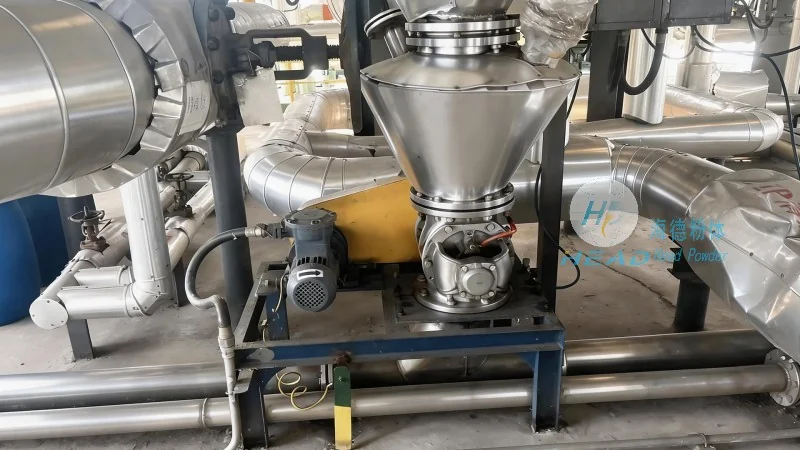
Shandong HeadPowder Engineering Co., Ltd., a leading manufacturer based in China, offers a range of specialized conveying equipment tailored to the unique needs of sand and soil transport. The company’s products are designed to address the challenges associated with different material characteristics and operational environments. For example, HeadPowder’s belt conveyors are engineered with high-quality materials to withstand abrasive conditions, ensuring longer service life and reduced maintenance. The company also provides pneumatic conveying systems with advanced air compression technology to optimize energy efficiency and minimize operational costs. Additionally, HeadPowder’s screw conveyors incorporate durable components to handle sticky or moist materials, enhancing reliability and performance. By understanding the specific requirements of each project, HeadPowder can recommend the most suitable conveying method and equipment, ensuring optimal efficiency and cost-effectiveness.