

Comparison of Common Fiber Conveying Methods: Advantages and Disadvantages
When it comes to industrial processes involving the handling of fibers, selecting the right conveying method is crucial for efficiency, cost-effectiveness, and operational safety. Shandong HeadPowder Engineering Co., Ltd., a leading provider in the field, understands the importance of choosing the most suitable fiber conveying solution. This article provides a detailed comparison of common fiber conveying methods, highlighting their advantages and disadvantages to help businesses make informed decisions.
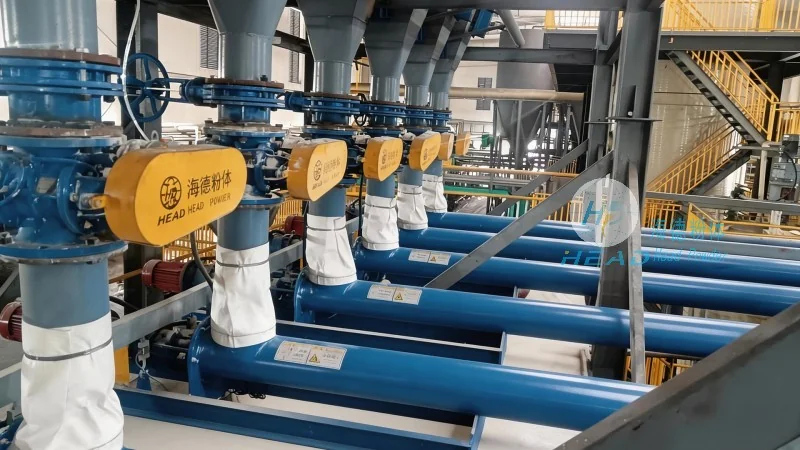
Overview of Fiber Conveying Methods
Fiber conveying systems are designed to transport various types of fibers, including but not limited to, wood, plastic, and mineral fibers, from one location to another within an industrial setting. The choice of conveying method depends on several factors such as the type of fiber, the required conveying distance, the volume of material, and the environmental conditions. Common methods include pneumatic conveying, mechanical conveying, and gravity-based systems. Each method has its own set of advantages and limitations that must be carefully evaluated.
Pneumatic Conveying Systems
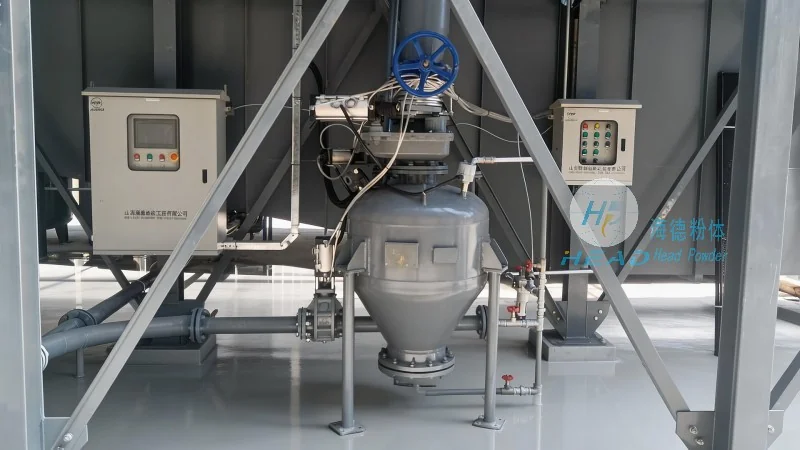
Pneumatic conveying, also known as air conveying, uses compressed air or other gases to transport materials through a pipeline. This method is particularly effective for handling fine or dusty fibers that are difficult to move using mechanical means. One of the key advantages of pneumatic conveying is its ability to transport materials over long distances with minimal loss of material quality. It also allows for the integration of multiple processing steps within a single system, enhancing overall operational efficiency. However, pneumatic conveying systems require significant energy input due to the need for compressed air, which can increase operational costs. Additionally, they may be prone to clogging if the fibers are too large or have high moisture content, leading to maintenance challenges.
Mechanical Conveying Systems
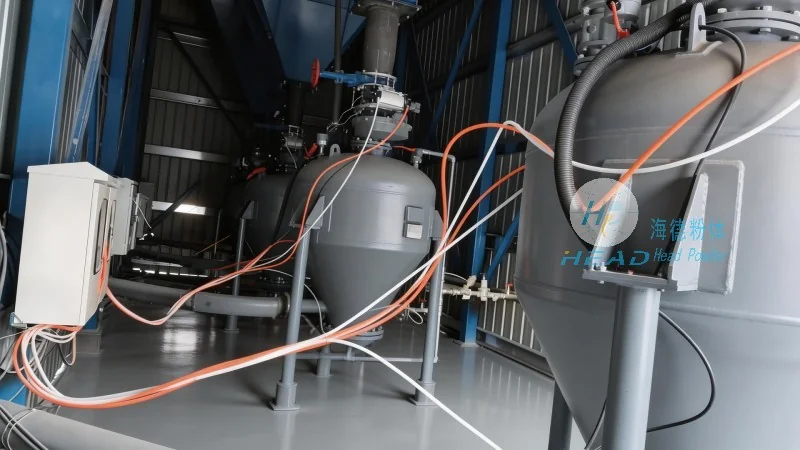
Mechanical conveying systems utilize mechanical components like belts, screws, and chains to move fibers. These systems are often preferred for transporting bulkier or heavier fibers that are not suitable for pneumatic conveying. A major advantage of mechanical conveying is its lower energy consumption compared to pneumatic systems, making it more cost-effective for certain applications. Mechanical systems also offer better control over the speed and direction of material flow, which is beneficial for processes that require precise positioning. However, mechanical conveyors may have limitations in terms of conveying distance and may not be suitable for very fine or abrasive fibers, as they can cause wear and tear on the components.
Gravity-Based Conveying Systems
Gravity-based conveying systems rely on the natural force of gravity to move fibers from a higher to a lower elevation. This method is simple, low-cost, and requires minimal maintenance. It is particularly effective for transporting fibers over short distances and when the material is already at a higher elevation. The main advantage of gravity conveyors is their low operational cost and simplicity, making them ideal for applications where minimal energy input is required. However, gravity systems are limited by the need for a slope and are not suitable for long-distance or vertical transport. They also cannot handle materials that are too heavy or have high moisture content, as this can cause the material to stick to the conveyor surface.
Factors to Consider When Choosing a Conveying Method
When selecting a fiber conveying method, several factors must be considered to ensure optimal performance and cost-effectiveness. The type of fiber being conveyed is a primary consideration, as different fibers have varying properties that affect the choice of system. For example, fine and dusty fibers may be better suited for pneumatic conveying, while bulkier fibers may require mechanical systems. The conveying distance and required throughput are also critical factors. Longer distances and higher throughput may necessitate more robust systems like pneumatic or mechanical conveyors. Environmental conditions, such as temperature and humidity, can also impact the choice of system, as some materials may degrade or become sticky under certain conditions. Finally, the budget and available space are important considerations, as different systems have varying capital and operational costs.
Conclusion
Choosing the right fiber conveying method is essential for the smooth operation of industrial processes. Shandong HeadPowder Engineering Co., Ltd. offers a range of fiber conveying solutions tailored to meet the specific needs of various industries. By carefully evaluating the advantages and disadvantages of each method, businesses can select the most suitable system that enhances efficiency, reduces costs, and ensures operational safety. Whether it's pneumatic, mechanical, or gravity-based systems, the key is to match the system to the material and process requirements to achieve optimal results.