

Common Pharmaceutical Delivery Methods: A Comparative Analysis of Their Advantages and Disadvantages
When selecting the most effective method for delivering pharmaceuticals, understanding the various options and their respective benefits and drawbacks is crucial. This article provides an overview of common pharmaceutical delivery methods, examining their advantages and disadvantages to help healthcare professionals and pharmaceutical manufacturers make informed decisions. HeadPowder, a leading pharmaceutical engineering company based in Shandong, China, specializes in developing advanced delivery systems to address these challenges.
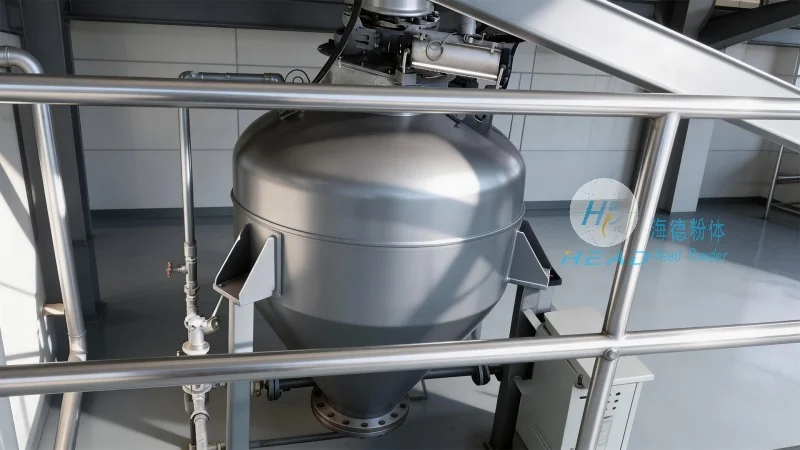
Oral Delivery Systems
Oral administration remains one of the most prevalent methods for delivering medications. This approach involves swallowing tablets, capsules, or liquids, allowing the drug to be absorbed through the gastrointestinal tract. A key advantage of oral delivery is its convenience and ease of use, as patients can self-administer the medication without specialized equipment. Additionally, oral formulations are often more cost-effective to produce and distribute compared to other methods. However, oral delivery has notable limitations. Many drugs are susceptible to degradation by stomach acid or enzymatic activity in the gut, reducing their bioavailability. Furthermore, the absorption rate can vary significantly among individuals due to factors such as gastric emptying time, food intake, and individual metabolism. These factors can lead to inconsistent drug levels in the bloodstream, potentially affecting treatment efficacy.

Injectable Delivery Systems
Injectable formulations, including intravenous (IV), intramuscular (IM), and subcutaneous (SC) injections, offer a direct route for drug administration. This method bypasses the gastrointestinal tract, ensuring rapid absorption and immediate therapeutic effects. Injectable delivery is particularly advantageous for drugs that are unstable in the digestive system or require high concentrations to achieve efficacy. For instance, IV administration is essential for emergency treatments or drugs with short half-lives. However, injectable methods come with significant drawbacks. They require trained healthcare professionals to administer, which can increase the cost and complexity of treatment. Additionally, patients may experience pain or discomfort during the injection process, and there is a risk of infection or adverse reactions at the injection site. The need for frequent dosing or specialized storage conditions further complicates the use of injectable medications.
Inhalation Delivery Systems
Inhalation delivery involves delivering medication directly to the respiratory tract through aerosolized particles or dry powder formulations. This method is widely used for treating respiratory conditions such as asthma and COPD. The primary advantage of inhalation is the rapid onset of action, as the drug reaches the target site in the lungs within minutes. This allows for quick relief of symptoms and improved patient compliance compared to oral or injectable options. Additionally, inhalation reduces the systemic exposure of the drug, minimizing side effects that affect other organs. However, inhalation delivery has its limitations. The effectiveness of the method depends heavily on patient technique and the device used, which can lead to inconsistent dosing if not used correctly. Furthermore, some patients may find the act of inhaling or using the device cumbersome, reducing adherence. The cost of inhalation devices and the need for proper maintenance can also be barriers to widespread use.
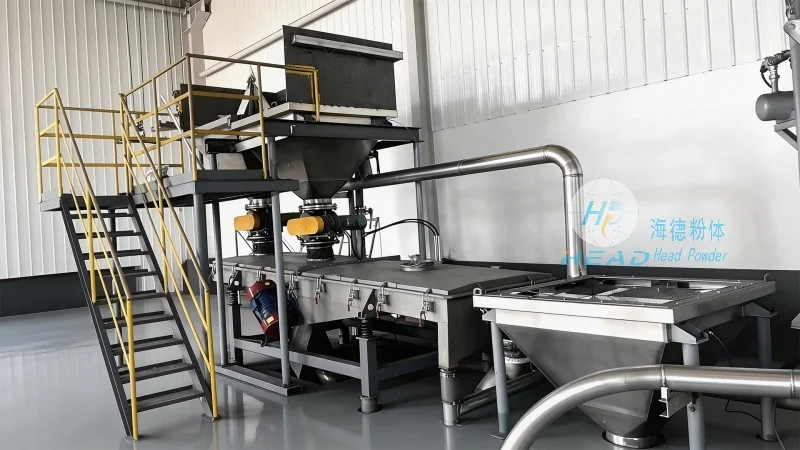
Skin Patch Delivery Systems
Skin patches, or transdermal systems, deliver medication through the skin into the bloodstream. This method is ideal for drugs that need to maintain a steady, continuous level in the body over an extended period. A major advantage of transdermal patches is the ability to provide consistent drug levels without the need for frequent dosing or injections. This improves patient compliance and reduces the risk of missed doses. Additionally, the patch can be discreet and less invasive than other methods. However, transdermal delivery has significant limitations. The skin acts as a barrier, limiting the amount of drug that can be absorbed at any given time. This restricts the types of drugs suitable for this method, as only those with appropriate lipophilicity and molecular size can penetrate effectively. Furthermore, the patch may cause skin irritation or allergic reactions in some individuals. The duration of action is also limited by the drug's ability to diffuse through the skin, typically ranging from one to several days.
Rectal and Vaginal Delivery Systems
Rectal and vaginal delivery involves administering medications via suppositories or creams. This method is often used for pain relief, local treatments, or in cases where oral administration is not feasible. The primary advantage of these routes is that they bypass the liver's first-pass metabolism, which can increase the bioavailability of certain drugs. Additionally, they are less invasive than injectable methods and can be self-administered. However, rectal and vaginal delivery has notable drawbacks. The absorption rate can be unpredictable, and the drug may not reach the systemic circulation effectively. This can limit the efficacy of the treatment, especially for conditions requiring rapid systemic action. Furthermore, these methods are often associated with discomfort or embarrassment, which may affect patient adherence. The formulation of suppositories and creams also requires careful consideration to ensure proper consistency and release of the drug.

Conclusion
Choosing the appropriate pharmaceutical delivery method requires careful consideration of the drug's properties, the condition being treated, and patient factors. Each method has unique advantages and disadvantages that influence its suitability for different applications. By understanding these factors, healthcare professionals and pharmaceutical manufacturers can select the most effective delivery system to optimize treatment outcomes and patient satisfaction. As technology advances, new delivery methods continue to emerge, offering innovative solutions to improve drug delivery and patient care. HeadPowder remains committed to advancing pharmaceutical delivery technologies to meet the evolving needs of the healthcare industry.