

Common Iron Chip Conveying Methods: A Comparison of Advantages and Disadvantages
Efficient and reliable iron chip conveying is crucial for maintaining smooth operations in metalworking and manufacturing facilities. As a leading provider in the industry, Shandong HeadPowder Engineering Co., Ltd. specializes in delivering tailored conveying solutions that meet the unique demands of various production environments. This article provides a comprehensive comparison of common iron chip conveying methods, highlighting their respective advantages and disadvantages to help businesses make informed decisions.
1. Screw Conveyor (Auger Conveyor)
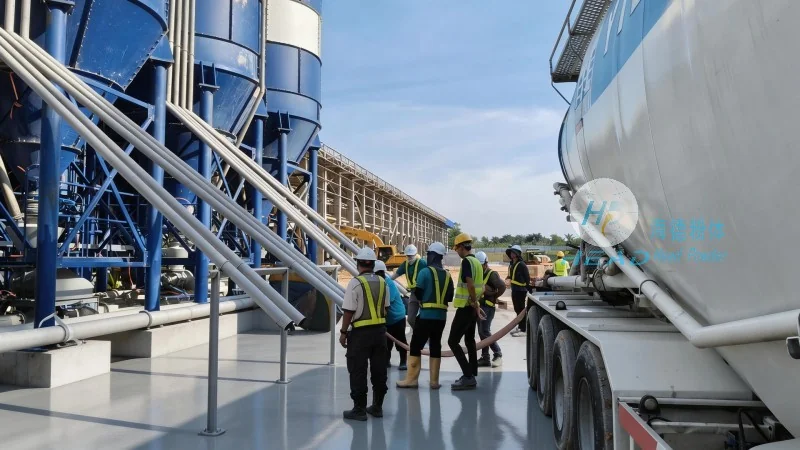
The screw conveyor, also known as an auger conveyor, is a widely used method for transporting iron chips. It consists of a rotating helical screw inside a tube or trough, which moves material forward through the system. The primary advantage of this method is its simplicity and low maintenance requirements. Screw conveyors are particularly effective for handling dry, free-flowing iron chips and can operate in a vertical or inclined position, making them suitable for space-constrained areas. However, they have limitations when dealing with wet or sticky chips, as the material can adhere to the screw surface, reducing efficiency. Additionally, the conveyor's capacity is limited by the screw's diameter and speed, which may not meet the needs of high-volume production lines.
2. Pneumatic Conveying System
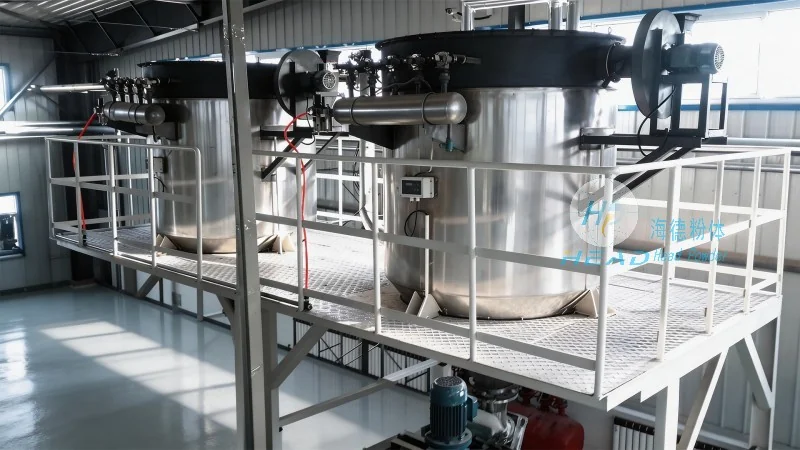
Pneumatic conveying systems use air pressure to transport iron chips through a network of pipes. This method is ideal for applications requiring dust-free or enclosed material handling. One of the key advantages is the ability to transport chips over long distances without the need for multiple transfer points. Pneumatic systems are also suitable for handling fine or abrasive iron chips, as the enclosed pipes protect the material from external contaminants. However, they have higher energy consumption compared to mechanical conveyors, as continuous air flow is required to maintain material movement. Furthermore, the system's performance can be affected by the moisture content of the chips, as excessive moisture may cause blockages or reduced airflow efficiency.
3. Belt Conveyor
Belt conveyors utilize a continuous belt to transport iron chips horizontally or at a slight incline. This method is commonly used in bulk material handling and is known for its high capacity and durability. The primary advantage of belt conveyors is their ability to handle large volumes of iron chips at a consistent speed, making them suitable for high-throughput production environments. They are also relatively easy to install and maintain, with minimal downtime for repairs. However, belt conveyors require more space compared to other methods, as the belt and supporting structure take up significant floor area. Additionally, the system is susceptible to material buildup on the belt, which can lead to inefficiencies and maintenance issues if not properly managed.
4. Hydraulic Conveying System
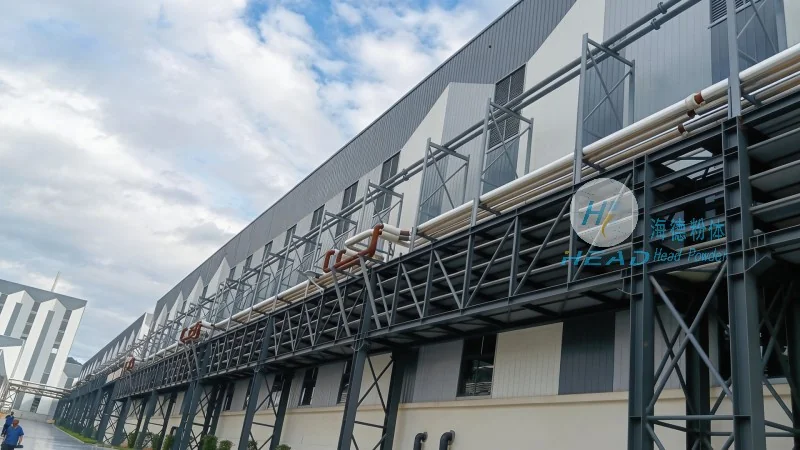
Hydraulic conveying systems use fluid pressure to transport iron chips through a pipeline. This method is particularly effective for handling wet or slurry-like iron chips, as the fluid helps to keep the material suspended and moving. The main advantage is the ability to transport chips over long distances with minimal energy loss, as the hydraulic system provides consistent pressure. However, hydraulic systems require specialized equipment and regular maintenance to ensure proper operation. They are also less suitable for dry iron chips, as the fluid may not effectively transport dry material without additional additives or modifications.
5. Vibrating Conveyor
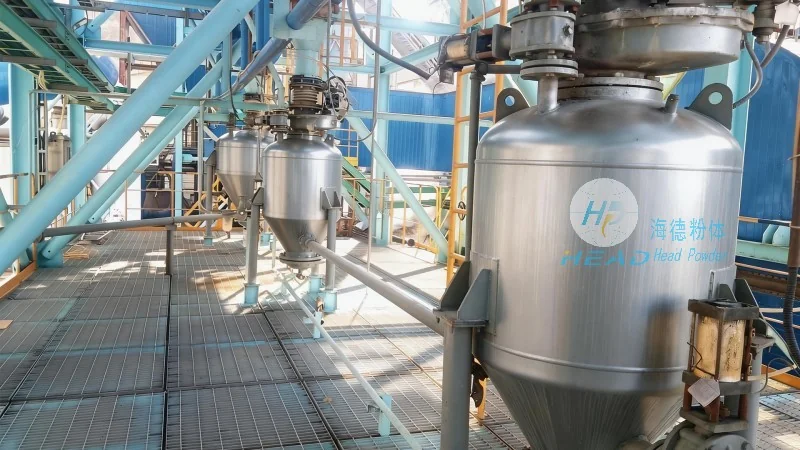
Vibrating conveyors use mechanical vibrations to move iron chips along a trough. This method is ideal for handling sticky or cohesive iron chips, as the vibrations help to break up clumps and maintain material flow. The primary advantage is the ability to handle a wide range of material types, including those with high moisture content or abrasive properties. Vibrating conveyors are also relatively low-cost and easy to install, making them a popular choice for small to medium-sized operations. However, they may not be suitable for high-volume applications, as the conveyor's capacity is limited by the vibration frequency and amplitude. Additionally, the system can generate noise and vibration, which may require additional noise control measures in certain environments.
Conclusion and Recommendations
When selecting an iron chip conveying method, it is essential to consider the specific characteristics of the material, the production volume, and the available space in the facility. Shandong HeadPowder Engineering Co., Ltd. offers customized conveying solutions that can integrate multiple methods or adapt to the unique needs of each client. By understanding the advantages and disadvantages of each system, businesses can optimize their material handling processes, reduce downtime, and improve overall operational efficiency. Whether you require a simple screw conveyor for small-scale operations or a complex pneumatic system for large-scale production, HeadPowder provides reliable and efficient solutions tailored to your specific requirements.