

Common Pigment Masterbatch Particle Conveying Methods: A Comparison of Advantages and Disadvantages
When it comes to the efficient handling and transportation of pigment masterbatch particles in industrial settings, selecting the right conveying method is crucial. The choice of conveying system directly impacts production efficiency, material quality, and operational costs. This article provides a detailed comparison of common pigment masterbatch particle conveying methods, highlighting their advantages and disadvantages to help industrial manufacturers make informed decisions. As a leading manufacturer in the field, Shandong HeadPowder Engineering Co., Ltd. (commonly known as headpowder), based in Shandong, China, understands the importance of selecting the right conveying equipment for optimal performance.
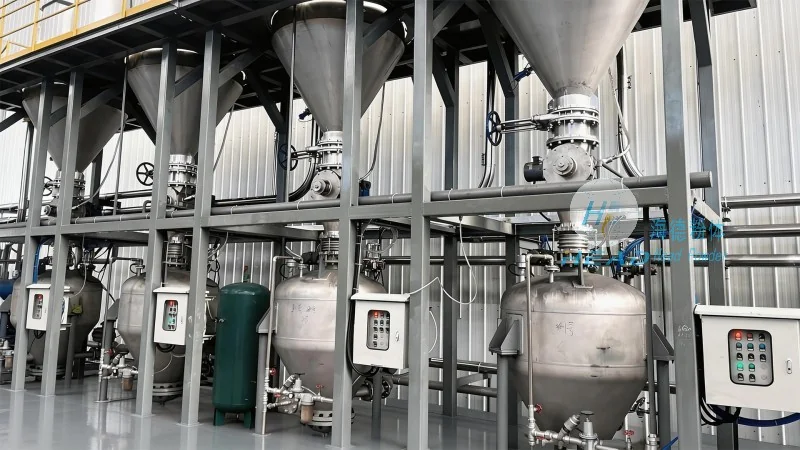
Key Considerations for Choosing a Conveying Method
Before diving into specific methods, it's essential to understand the key factors that influence the selection of a conveying system. These include material properties (such as particle size, density, and moisture content), production scale, space availability, and the required conveying distance. Additionally, factors like energy consumption, maintenance requirements, and the need for dust control also play a significant role in the decision-making process. For instance, materials with high moisture content or those that are prone to caking may require specialized equipment to prevent material buildup and ensure smooth operation.
1. Screw Conveyors (Auger Conveyors)
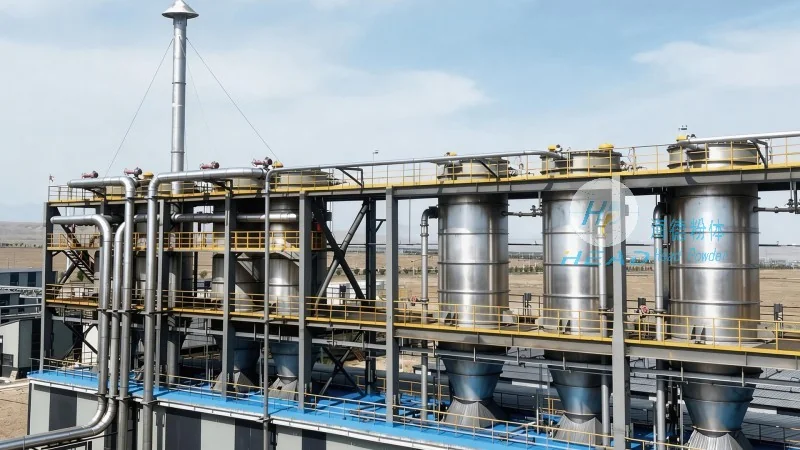
Screw conveyors, also known as auger conveyors, are among the most widely used methods for transporting pigment masterbatch particles. These systems consist of a rotating helical screw inside a tube or trough, which moves material from one end to the other through a continuous, enclosed process. The primary advantage of screw conveyors is their ability to handle a wide range of materials, including those with varying particle sizes and moisture levels. They are also relatively simple in design, making them easy to install and maintain. However, screw conveyors have limitations when dealing with abrasive or sticky materials, as the screw and trough can experience wear and tear over time. Moreover, they are not suitable for long-distance conveying, as the friction and energy consumption increase significantly with distance. For example, in applications where the conveying distance exceeds 15 meters, the energy consumption of a screw conveyor may become prohibitively high.
2. Pneumatic Conveying Systems
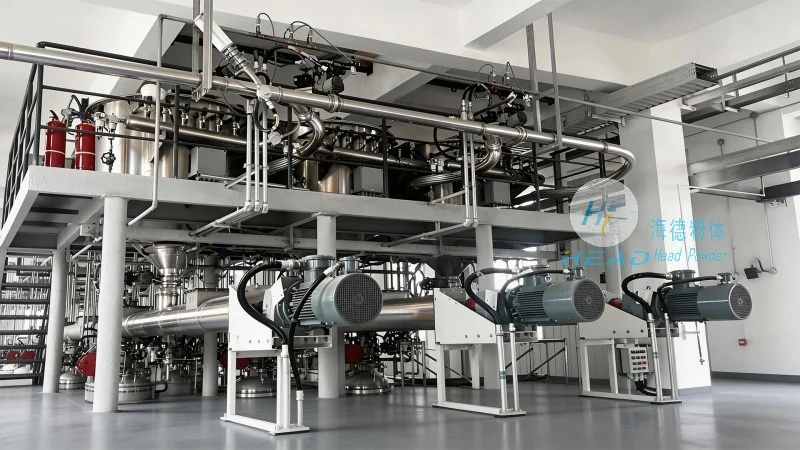
Pneumatic conveying systems use air or other gases to transport pigment masterbatch particles through a pipeline. This method is particularly effective for handling fine or dusty materials, as it can transport them without the need for mechanical contact. There are two main types of pneumatic conveying: pressure and vacuum. Pressure systems use compressed air to push material through the pipeline, while vacuum systems use a vacuum to draw material into the system. The advantages of pneumatic conveying include high conveying speeds, the ability to transport materials over long distances (up to several hundred meters), and the option to integrate with other processing equipment such as mixers or dryers. However, pneumatic systems require more energy compared to mechanical systems, and they can be more complex to maintain. Additionally, they may not be suitable for materials that are easily damaged or sensitive to air exposure, as the high-velocity air can cause particle attrition and degrade the material's quality.
3. Vibrating Conveyors
Vibrating conveyors utilize vibration to move pigment masterbatch particles along a trough. These systems consist of a conveyor bed that is vibrated at a specific frequency and amplitude, causing the material to move forward. The main advantage of vibrating conveyors is their ability to handle bulk materials with minimal friction, reducing wear and tear on the equipment. They are also suitable for transporting materials with high moisture content or those that are prone to caking, as the vibration helps to break up agglomerates and prevent material buildup. However, vibrating conveyors have lower conveying speeds compared to screw or pneumatic systems, typically ranging from 0.5 to 2 meters per second. They may not be effective for very fine or powdery materials, as the vibration can cause the material to become airborne and lead to dust issues. Moreover, they require regular maintenance to ensure the vibration mechanism operates correctly, including checking the motor, bearings, and vibration plates.
4. Belt Conveyors
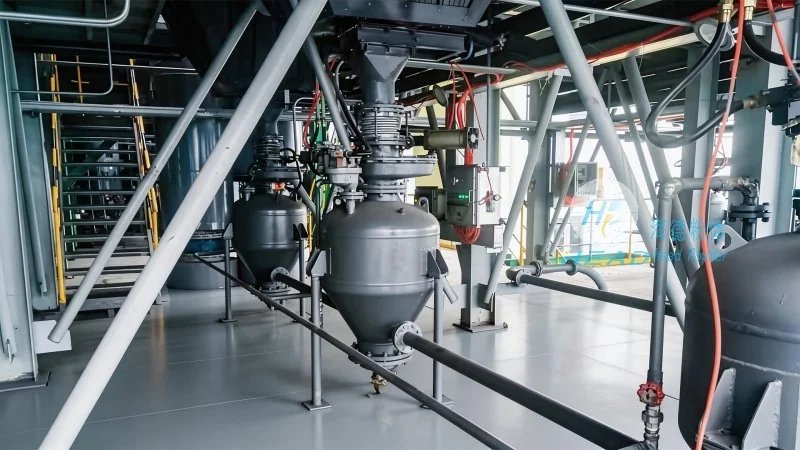
Belt conveyors are another common method for transporting pigment masterbatch particles, especially in applications where large volumes of material need to be moved over short to medium distances (typically up to 50 meters). These systems consist of a continuous belt that moves over rollers or pulleys, carrying the material from one point to another. The advantages of belt conveyors include high capacity, low maintenance, and the ability to handle a wide range of materials. They are also suitable for transporting materials with high moisture content or those that are prone to sticking to the conveyor surface, as the belt can be designed with special coatings or cleats to improve traction. However, belt conveyors are not suitable for fine or powdery materials, as they can cause dust and material spillage. Additionally, they require regular cleaning to prevent material buildup and maintain efficiency, especially when handling sticky or adhesive materials.
Conclusion and Recommendations
Choosing the right pigment masterbatch particle conveying method depends on a variety of factors, including the specific application requirements, material properties, and operational constraints. While each method has its advantages and disadvantages, the best choice is often determined by a combination of these factors. For example, screw conveyors may be ideal for short-distance conveying of bulk materials, while pneumatic systems are better suited for long-distance or fine material transport. Vibrating conveyors are suitable for materials with high moisture content, and belt conveyors are effective for high-volume applications. Ultimately, the goal is to select a conveying system that maximizes efficiency, minimizes costs, and ensures the quality of the pigment masterbatch particles. As a trusted supplier, Shandong HeadPowder Engineering Co., Ltd. offers a range of conveying solutions tailored to meet the unique needs of industrial manufacturers, helping them achieve optimal performance and productivity in their pigment masterbatch processing operations.