

Comparison of Common Fertilizer Granule Conveying Methods: Advantages and Disadvantages
When it comes to transporting fertilizer granules efficiently and reliably, selecting the right conveying method is crucial for agricultural operations. The choice of conveying system directly impacts productivity, cost-effectiveness, and the overall safety of the process. In this article, we will explore several common fertilizer granule conveying methods, analyzing their advantages and disadvantages to help you make an informed decision for your specific needs. HeadPowder, a leading provider in the field, offers advanced solutions tailored to these requirements.
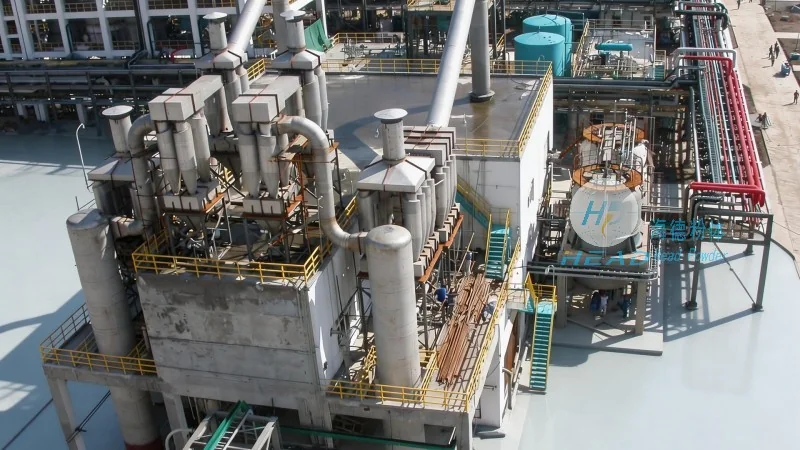
1. Screw Conveyors for Fertilizer Granules
Screw conveyors, also known as auger conveyors, are widely used in fertilizer handling due to their simplicity and effectiveness. These systems consist of a rotating screw inside a tube, which moves granular materials forward through the mechanism. The primary advantage of screw conveyors is their ability to handle a wide range of granule sizes and types without the need for additional components. They are particularly suitable for horizontal or slightly inclined transport, making them ideal for feeding bulk fertilizer into storage silos or processing equipment. However, screw conveyors have limitations when dealing with sticky or abrasive granules, as this can lead to increased wear and reduced efficiency. Additionally, they may not be as effective for vertical lifting over significant heights compared to other methods.
2. Pneumatic Conveying Systems
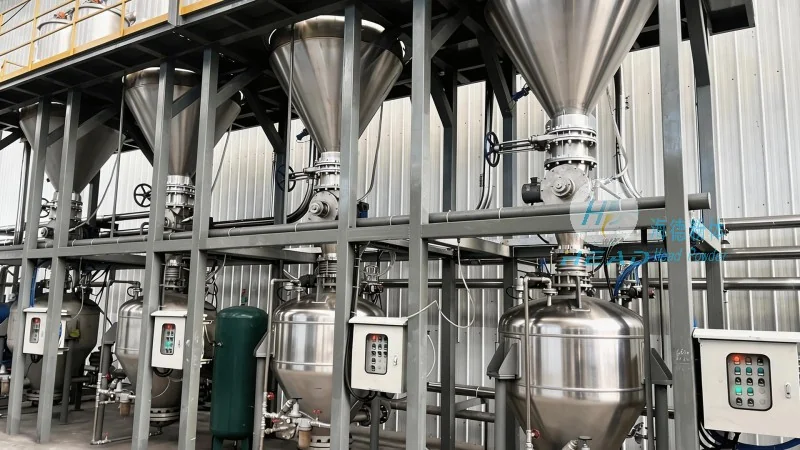
Pneumatic conveying systems utilize air pressure to transport fertilizer granules through a pipeline network. This method offers high flexibility, as it can handle both horizontal and vertical transport with ease. The primary advantage of pneumatic conveying is its ability to move granules over long distances without the need for multiple transfer points. It is also suitable for transporting materials in a closed system, which helps maintain hygiene and prevents dust contamination. However, pneumatic systems require significant energy input to generate the necessary air pressure, leading to higher operational costs. Furthermore, they may not be as efficient for handling very fine or cohesive granules, as these can cause blockages or reduced flow rates. The maintenance of air filtration and pressure systems is also an important consideration for long-term operation.
3. Belt Conveyors for Bulk Fertilizer Transport
Belt conveyors are another common option for fertilizer granule transport, especially in large-scale agricultural facilities. These systems use a continuous belt to move materials from one point to another, often with multiple inclines and declines. The main advantage of belt conveyors is their high capacity and ability to handle large volumes of granules efficiently. They are particularly effective for long-distance horizontal transport and can be integrated with other processing equipment, such as screening or blending units. However, belt conveyors require regular maintenance to ensure the belt remains in good condition, as wear and tear can lead to breakdowns. They may also be less suitable for transporting very fine granules, as these can cause the belt to slip or accumulate, affecting performance. Proper alignment and tensioning of the belt are critical to avoid operational issues.
4. Bucket Elevators for Vertical Transport
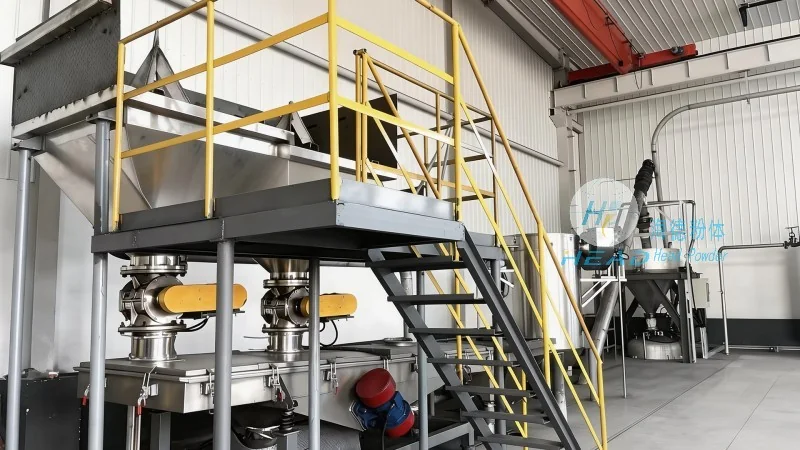
Bucket elevators are specifically designed for vertical transport of fertilizer granules, making them essential for moving materials from ground level to elevated storage or processing areas. The primary advantage of bucket elevators is their high lifting capacity and efficiency in vertical movement. They are particularly suitable for handling bulk granules over significant heights, such as from a silo to a fertilizer spreader. However, bucket elevators have limitations when dealing with sticky or wet granules, as these can cause the buckets to become clogged or reduce the lifting speed. Additionally, they require regular inspection and maintenance to ensure the buckets and drive mechanisms are functioning correctly. The initial investment for bucket elevators is also higher compared to some other conveying methods, which may impact the overall cost-effectiveness for smaller operations.
5. Comparison and Recommendations
When comparing these conveying methods, it is essential to consider the specific characteristics of the fertilizer granules being handled, the distance and elevation changes required, and the operational budget. Screw conveyors are a cost-effective choice for horizontal transport of non-sticky granules, while pneumatic systems excel in closed-loop, long-distance transport. Belt conveyors are ideal for high-capacity horizontal movement, and bucket elevators are necessary for vertical lifting. HeadPowder, with its expertise in fertilizer handling equipment, offers customized solutions that can integrate multiple conveying methods to optimize the entire process. By understanding the advantages and disadvantages of each method, agricultural operations can select the most suitable conveying system to enhance productivity and efficiency.