

Comparison of Common Wheat Flour Conveying Methods: Advantages and Disadvantages
When it comes to the efficient handling and transportation of wheat flour in industrial settings, selecting the right conveying method is crucial. Various technologies are available, each with its own set of advantages and disadvantages. This article provides a detailed comparison of common wheat flour conveying methods, helping industry professionals make informed decisions based on their specific operational needs.
1. Screw Conveyors for Wheat Flour
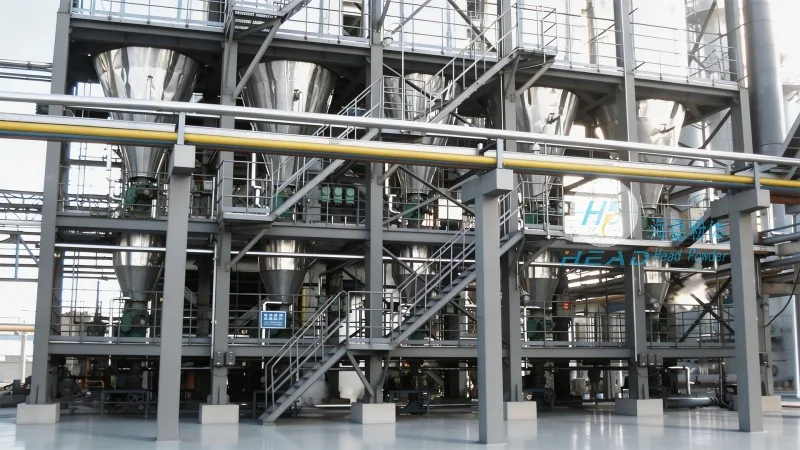
Screw conveyors, also known as auger conveyors, are widely used in the flour industry for their ability to transport dry bulk materials like wheat flour. These systems consist of a rotating helical screw inside a tube or trough. The screw pushes the material forward, making them ideal for vertical and horizontal transport. One of the key advantages of screw conveyors is their simplicity and low maintenance requirements. They are relatively inexpensive to install and operate, making them a cost-effective solution for many applications. However, they have some limitations. For instance, they may not be suitable for handling very fine or powdery materials, as the material can easily clog the screw. Additionally, the speed of material discharge can be inconsistent, which may affect downstream processing. The design also requires regular cleaning to prevent flour buildup, which can impact hygiene and efficiency.
2. Pneumatic Conveying Systems
Pneumatic conveying systems use air pressure to transport wheat flour in a closed pipeline system. These systems can be categorized into two main types: pressure and vacuum. Pressure systems use compressed air to push the material forward, while vacuum systems use suction to draw the material into the pipeline. Pneumatic conveying offers several benefits, including the ability to transport flour over long distances and even vertically. It also allows for the integration of multiple processing steps within a single system, enhancing overall efficiency. Another advantage is the minimal product contact with equipment, which helps maintain product quality and hygiene. However, pneumatic systems have significant drawbacks. They require high energy consumption due to the need for compressed air, which can increase operational costs. The system is also susceptible to clogging if the flour is too fine or contains moisture, leading to downtime and maintenance issues. Additionally, the initial investment for a pneumatic system is higher compared to other conveying methods, and the infrastructure requirements are more complex.
3. Bucket Elevators
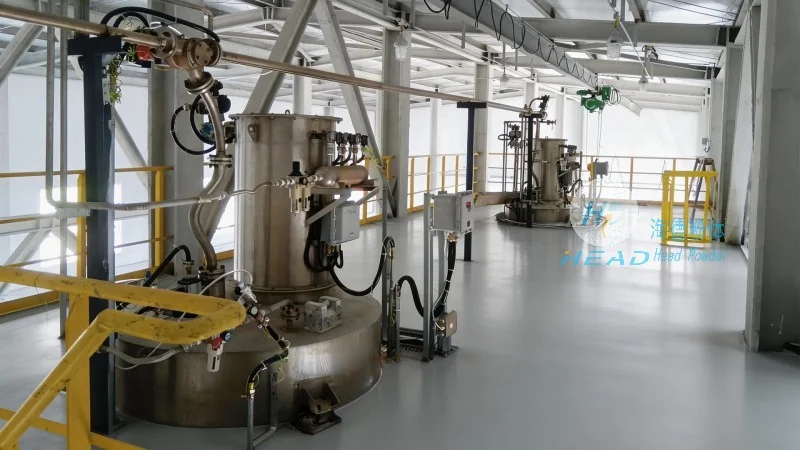
Bucket elevators are another common method for transporting wheat flour vertically. These systems consist of a continuous belt or chain with attached buckets that move up and down inside a vertical casing. The buckets scoop up the flour at the bottom and discharge it at the top. Bucket elevators are highly efficient for vertical transport and can handle large volumes of material. They are also relatively easy to maintain, as the moving parts are enclosed and protected. A major advantage is their ability to handle a wide range of materials, including fine powders and granules. However, bucket elevators have some limitations. They are primarily designed for vertical transport and are not suitable for horizontal or inclined movement. The speed of material discharge can be variable, and the system requires regular inspection to prevent bucket wear or damage. Additionally, the initial cost of installation is higher compared to screw conveyors, and the maintenance of the bucket mechanism can be more complex.
4. Belt Conveyors
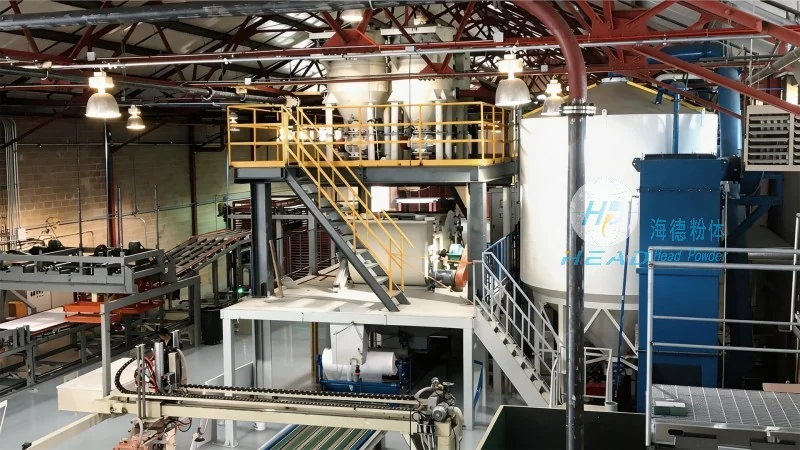
Belt conveyors are widely used in the flour industry for horizontal and inclined transport of wheat flour. These systems consist of a continuous belt that moves over rollers or pulleys, transporting the material from one point to another. Belt conveyors are known for their high capacity and ability to handle large volumes of material. They are also relatively simple to operate and maintain, with minimal moving parts. One of the key advantages is their ability to transport flour over long distances with minimal energy consumption. The system is also versatile, as it can be adapted to various operational requirements by adjusting the speed or inclination of the belt. However, belt conveyors have some drawbacks. They are not suitable for fine powders, as the material can easily fall through the belt or cause it to slip. The system also requires regular cleaning to prevent flour buildup on the belt, which can affect performance and hygiene. Additionally, the initial investment for a belt conveyor is moderate to high, and the maintenance of the belt and rollers can be more involved compared to other methods.
5. Comparison and Selection Considerations
When choosing a wheat flour conveying method, several factors need to be considered. The first is the material characteristics, such as particle size, moisture content, and flowability. For example, screw conveyors are better suited for coarse or semi-solid materials, while pneumatic systems excel with fine powders. The second factor is the distance and direction of transport. Vertical transport may require bucket elevators or screw conveyors, while horizontal or inclined transport may benefit from belt conveyors. The third factor is the operational budget, including initial investment and energy costs. Screw conveyors are generally the most cost-effective option, while pneumatic systems have higher energy and maintenance costs. The fourth factor is the required hygiene and product quality standards. Pneumatic systems offer better product isolation, while bucket elevators require more frequent cleaning. Ultimately, the best conveying method depends on the specific needs of the operation, and a combination of methods may be used to achieve optimal performance.
Conclusion
In conclusion, the selection of a wheat flour conveying method is a critical decision that impacts operational efficiency, product quality, and cost. Each method has its own set of advantages and disadvantages, and the choice should be based on a thorough analysis of the material characteristics, transport requirements, and budget constraints. By understanding the pros and cons of each method, industry professionals can make informed decisions that enhance their overall production processes. Shandong HeadPowder Engineering Co., Ltd., a leading provider of flour processing equipment, offers a range of conveying solutions tailored to meet the diverse needs of the flour industry. With years of experience and expertise, the company ensures that its products are designed to deliver optimal performance and reliability in various industrial applications.