

Comparison of Common Petroleum Coke Powder Conveying Methods: Advantages and Disadvantages
When it comes to the transportation of petroleum coke powder, selecting the right conveying method is crucial for ensuring efficiency, safety, and cost-effectiveness in industrial operations. Different methods have their own set of advantages and disadvantages, making it essential to understand each option thoroughly before making a decision. This article provides a detailed comparison of common petroleum coke powder conveying methods, highlighting their key features and potential drawbacks.
Overview of Petroleum Coke Powder Conveying Methods
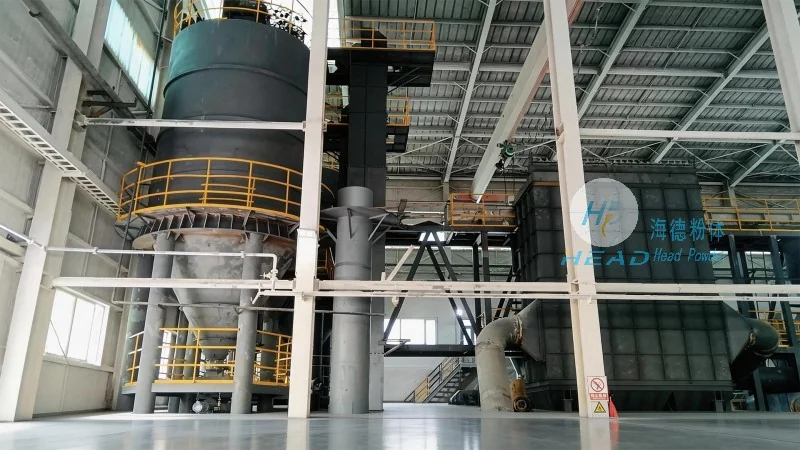
Petroleum coke powder, a byproduct of the petroleum refining process, is widely used in various industries such as steelmaking, foundries, and chemical production. Efficient and reliable transportation of this fine powder is vital to maintain production continuity and minimize operational disruptions. The primary goal of any conveying system is to move the powder from its source to the destination while preserving its quality and preventing dust emissions. Several methods are commonly employed for this purpose, each with its own unique characteristics and applications.
Air-Pneumatic Conveying System
Air-pneumatic conveying, also known as pneumatic conveying, is a popular method for transporting petroleum coke powder due to its ability to handle fine powders and provide a closed system that reduces dust exposure. This method uses compressed air to move the powder through a pipeline. The system typically consists of a hopper, a rotary airlock valve, a pipeline, and a receiver. The advantages of air-pneumatic conveying include high efficiency, low maintenance costs, and the ability to transport materials over long distances. It also offers a dust-free environment, which is beneficial for workplace safety and compliance with environmental regulations. However, this method has some limitations. It may not be suitable for very fine or cohesive powders, as they can cause blockages in the pipeline. Additionally, the energy consumption is relatively high compared to other methods, which can increase operational costs. The system also requires regular maintenance of air compressors and filters to ensure optimal performance.
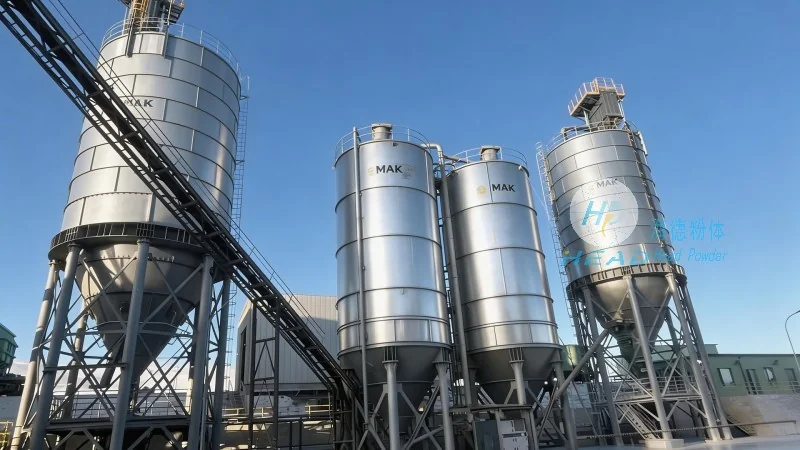
Screw Conveyor
Screw conveyors, also known as auger conveyors, are another common method for transporting petroleum coke powder. These systems use a rotating screw (auger) inside a trough to move the material forward. Screw conveyors are particularly effective for handling dry, free-flowing powders and can operate in both horizontal and inclined positions. The advantages of screw conveyors include their simplicity, low cost, and ability to handle a wide range of materials. They are also relatively easy to install and maintain. However, screw conveyors have several drawbacks. They are not suitable for very fine or abrasive powders, as the screw and trough can wear out quickly. The system can also generate significant heat due to friction, which may affect the quality of the powder, especially if it is sensitive to temperature changes. Additionally, the capacity of screw conveyors is limited compared to other methods, and they may not be suitable for long-distance transportation.
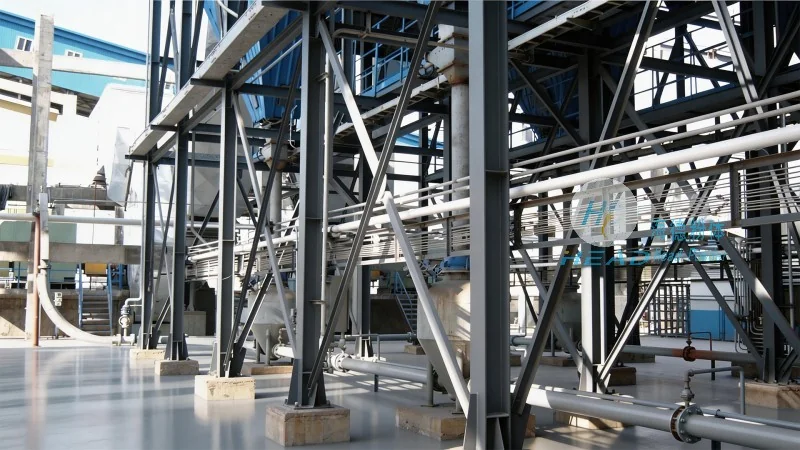
Belt Conveyor
Belt conveyors are widely used in various industries for transporting bulk materials, including petroleum coke powder. These systems consist of a continuous belt that moves over rollers or pulleys, carrying the material from one point to another. Belt conveyors are known for their high capacity and ability to transport materials over long distances. The advantages of belt conveyors include their high efficiency, low maintenance costs, and ability to handle large volumes of material. They are also suitable for both horizontal and inclined transport, making them versatile in different applications. However, belt conveyors have some limitations. They require a significant amount of space and may not be suitable for fine powders, as the material can fall through the belt or cause it to slip. The system also generates dust, which can be a safety and environmental concern. Additionally, the initial cost of a belt conveyor system is relatively high compared to other methods, and the maintenance can be more complex due to the need for regular belt tensioning and replacement.
Comparison Summary
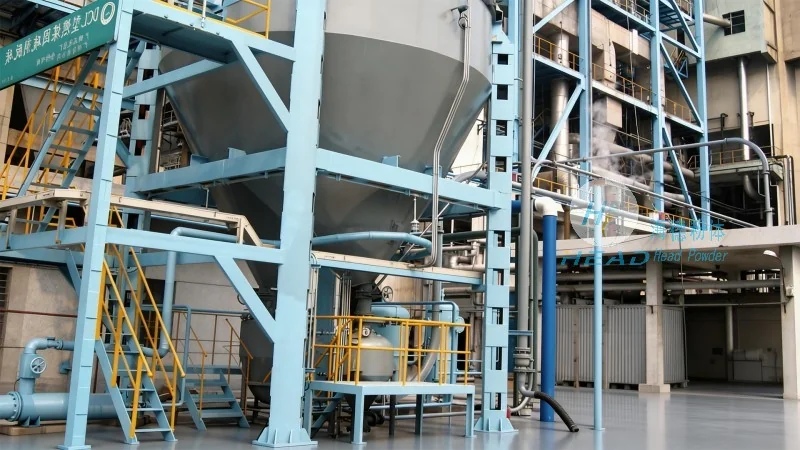
When comparing the three common petroleum coke powder conveying methods—air-pneumatic, screw, and belt conveyors—each has its own strengths and weaknesses. Air-pneumatic conveying is ideal for fine powders and provides a dust-free environment but is energy-intensive. Screw conveyors are simple and cost-effective but have limitations with fine or abrasive materials. Belt conveyors offer high capacity and long-distance transport but require more space and generate dust. The choice of method depends on the specific requirements of the application, such as the particle size, material properties, distance to be covered, and environmental regulations. It is essential to evaluate these factors carefully to select the most suitable conveying system for the task.
Shandong HeadPowder Engineering Co., Ltd., a leading provider of industrial conveying solutions, specializes in designing and manufacturing customized conveying systems tailored to the needs of various industries. With years of experience and a commitment to quality, the company offers a range of solutions to meet the diverse requirements of its clients. Whether it's air-pneumatic, screw, or belt conveyors, HeadPowder provides reliable and efficient systems that enhance operational performance and ensure compliance with industry standards. Based in Shandong, China, HeadPowder serves customers worldwide, delivering high-quality products and services that contribute to the success of industrial operations.