

Comparison of Common Metal Aluminum Powder Conveying Methods: Advantages and Disadvantages
When handling metal aluminum powder, selecting the right conveying method is crucial for ensuring efficiency, safety, and product integrity. Different industries, such as aerospace, automotive, and chemical manufacturing, have specific requirements that influence the choice of conveying equipment. This article provides a detailed comparison of common metal aluminum powder conveying methods, highlighting their advantages and disadvantages to help businesses make informed decisions.
Introduction to Metal Aluminum Powder Conveying
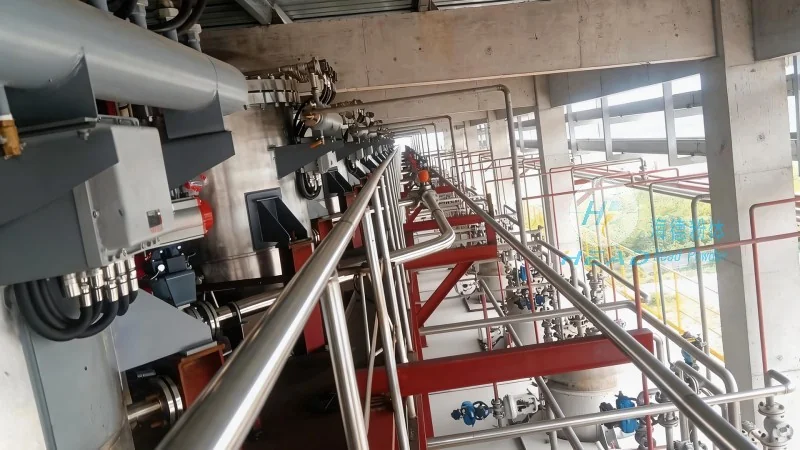
Metal aluminum powder is widely used in various applications due to its lightweight, high strength, and excellent thermal conductivity. However, its fine particle size and reactivity make it challenging to handle. Conveying systems must be designed to minimize dust generation, prevent oxidation, and maintain the powder's quality. The choice of conveying method depends on factors like material properties, production scale, environmental regulations, and operational costs.
1. Screw Conveyors for Metal Aluminum Powder
Screw conveyors, also known as auger conveyors, are among the most common equipment for transporting metal aluminum powder. These systems consist of a rotating helical screw inside a tube or trough, which moves the powder from the inlet to the outlet. Screw conveyors are particularly suitable for horizontal or slightly inclined applications and can handle a wide range of powder types, including aluminum powder.
The advantages of screw conveyors include their simplicity, low maintenance, and ability to operate in a closed system, which helps control dust and prevent contamination. They are also relatively inexpensive and can handle large volumes of material. However, screw conveyors have limitations when dealing with very fine or cohesive aluminum powders, as these materials may stick to the screw or the tube walls, leading to blockages and reduced efficiency. Additionally, they are not suitable for vertical or steeply inclined applications due to the risk of material bridging and the high torque required to rotate the screw.
2. Pneumatic Conveying Systems
Pneumatic conveying systems use air or other gases to transport metal aluminum powder through a pipeline. These systems can be classified into two main types: pressure and vacuum. Pressure systems force air through the pipeline, pushing the powder forward, while vacuum systems create a negative pressure that pulls the powder into the line.
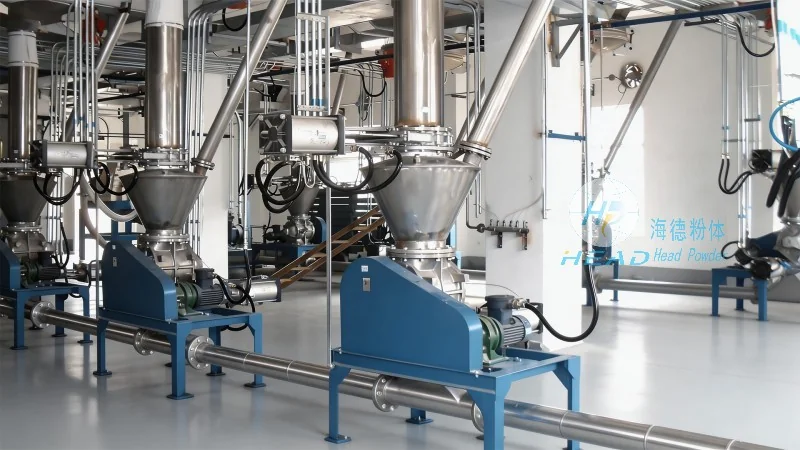
One of the key advantages of pneumatic conveying is its ability to handle fine, abrasive, or reactive powders like aluminum powder without the need for mechanical contact. This reduces wear and tear on the equipment and minimizes the risk of contamination. Pneumatic systems are also flexible, as they can be easily reconfigured to change the conveying route or scale up production. However, they have significant disadvantages, particularly in terms of energy consumption and material loss. High-pressure systems require substantial energy to maintain the air flow, and vacuum systems may experience higher air leakage, leading to increased operational costs. Moreover, pneumatic conveying is not suitable for very large volumes of material, as the pipeline diameter and air pressure must be carefully managed to prevent blockages or excessive pressure drops.
3. Pumping Systems for Metal Aluminum Powder
Pumping systems, such as slurry pumps or positive displacement pumps, are used to transport metal aluminum powder suspended in a liquid medium. This method is particularly effective for handling very fine or cohesive powders that are difficult to convey dry. The powder is mixed with a liquid (often water or a specialized carrier fluid) to form a slurry, which is then pumped through pipes or hoses.
The primary advantage of pumping systems is their ability to handle highly abrasive or corrosive materials without significant wear. The liquid medium acts as a lubricant, reducing friction and preventing the powder from sticking to the pump components. This makes pumping systems ideal for applications where the powder has high moisture content or is prone to agglomeration. However, pumping systems have several drawbacks. The most significant is the need for a liquid carrier, which increases the overall volume of material to be handled and requires additional equipment for mixing and separation. This can lead to higher operational costs and increased environmental impact due to the need for water treatment or disposal. Additionally, pumping systems are not suitable for applications where the powder must be kept dry, as the liquid can cause oxidation or other chemical reactions.
4. Belt Conveyors for Bulk Metal Aluminum Powder
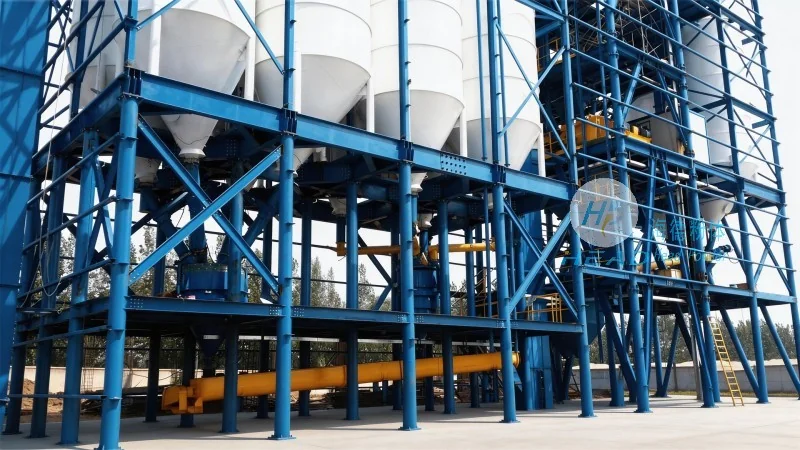
Belt conveyors are widely used in bulk material handling for transporting metal aluminum powder over long distances or at high speeds. These systems consist of a continuous belt that moves over rollers or pulleys, carrying the powder from the loading point to the discharge point. Belt conveyors are particularly suitable for horizontal or slightly inclined applications and can handle large volumes of material with minimal maintenance.
The advantages of belt conveyors include their high capacity, low cost, and ability to operate continuously for long periods. They are also relatively simple to install and maintain, making them a popular choice for many industrial applications. However, belt conveyors have limitations when dealing with fine or cohesive aluminum powders. The powder may slip or fall off the belt, leading to material loss and reduced efficiency. Additionally, belt conveyors are not suitable for vertical or steeply inclined applications due to the risk of material spillage and the high tension required to maintain the belt's position.
5. Comparison and Selection Criteria
When choosing a conveying method for metal aluminum powder, it is essential to consider several factors to ensure the best performance and cost-effectiveness. The key selection criteria include:
Material Properties: The particle size, density, and reactivity of the aluminum powder will influence the choice of conveying system. For example, very fine powders may require pneumatic or pumping systems to prevent blockages, while larger particles can be handled by screw or belt conveyors.
Production Scale: The volume of material to be conveyed will determine the size and capacity of the conveying equipment. Large-scale operations may require multiple conveyors or high-capacity systems, while small-scale applications can use simpler equipment.
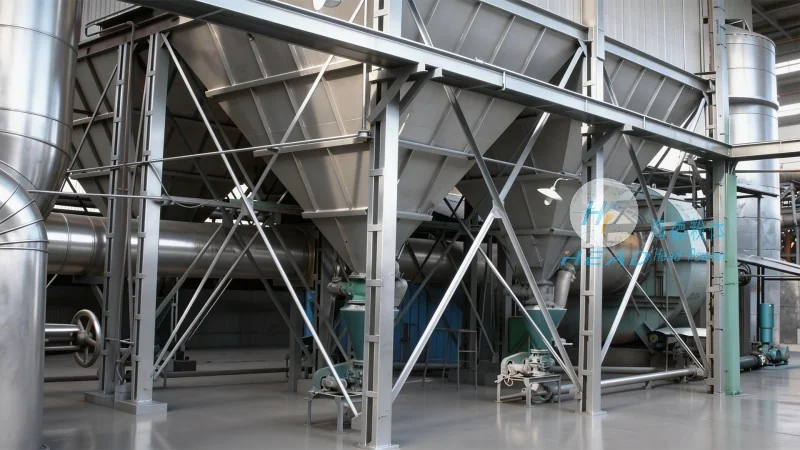
Environmental Regulations: Many industries have strict regulations regarding dust control and emissions. Conveying systems that operate in closed loops or use dust collection systems are preferred to minimize environmental impact.
Operational Costs: The initial investment and ongoing maintenance costs of the conveying system must be considered. While pneumatic systems may have higher energy costs, they may be more cost-effective in the long run for certain applications due to reduced material loss and wear.
Conclusion
Each metal aluminum powder conveying method has its own set of advantages and disadvantages, and the best choice depends on the specific requirements of the application. Screw conveyors are ideal for simple, low-cost applications, while pneumatic and pumping systems are better suited for handling fine or reactive powders. Belt conveyors are suitable for bulk material transport over long distances. By carefully evaluating the material properties, production scale, environmental regulations, and operational costs, businesses can select the most appropriate conveying system to ensure efficient and safe handling of metal aluminum powder.
Shandong HeadPowder Engineering Co., Ltd. specializes in providing customized conveying solutions for metal aluminum powder and other fine materials. With years of experience in the industry, we understand the unique challenges of handling aluminum powder and offer a range of equipment and services to meet the needs of our clients. Our team of experts can help you choose the right conveying method and design a system that maximizes efficiency, safety, and product quality. Contact us today to learn more about our products and services.