Công ty TNHH Kỹ thuật Headpowder Sơn Đông chuyên vận chuyển khí nén bột và hạt. Nhờ thế mạnh hợp tác doanh nghiệp‑trường‑viện, chúng tôi cung cấp giải pháp vận chuyển kín, không bụi, độ chính xác cao.
For industrial applications involving kaolin powder, selecting the appropriate conveying method is crucial for efficiency, cost-effectiveness, and operational safety. This article provides a detailed comparison of common kaolin powder conveying methods, highlighting their advantages and disadvantages to assist in informed decision-making for material handling systems.
Overview of Kaolin Powder Conveying Methods
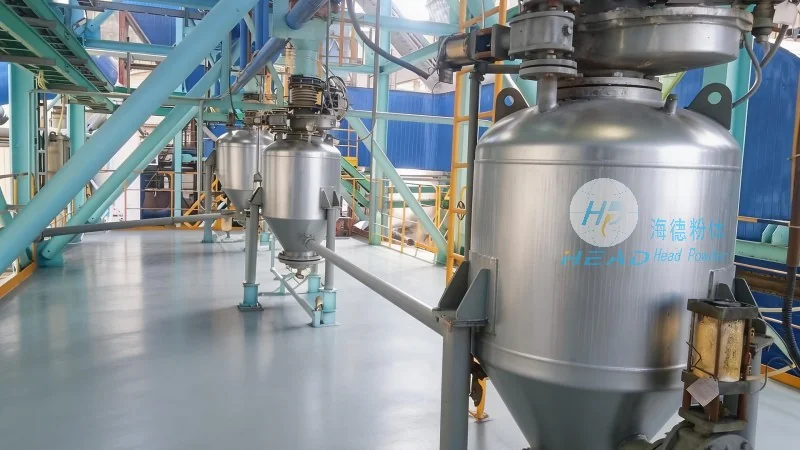
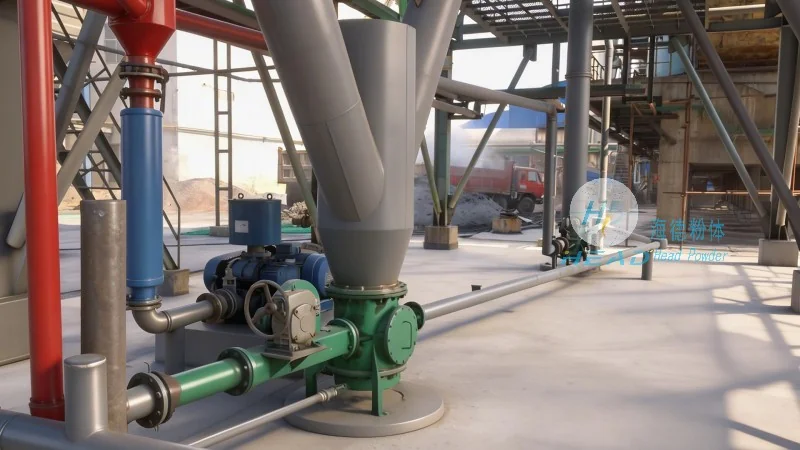
Before delving into specific methods, it is essential to understand the primary goals of kaolin powder conveying: ensuring consistent flow, minimizing material degradation, and maintaining system reliability. The choice of method depends on factors such as the powder's properties (e.g., moisture content, particle size, and flowability), the distance to be conveyed, and the desired throughput. Shandong HeadPowder Engineering Co., Ltd., a leading provider of industrial material handling solutions, specializes in designing and implementing systems tailored to these requirements.
Air-Pneumatic Conveying
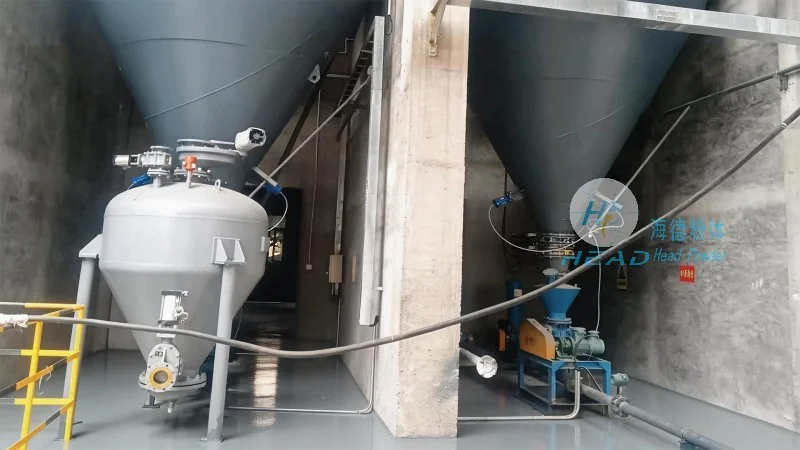
Air-pneumatic conveying, also known as pneumatic conveying, is a widely used method for transporting kaolin powder due to its ability to handle fine particles and provide enclosed, dust-free transport. This system utilizes compressed air to move the powder through a pipeline, with advantages including high flexibility in layout, minimal space requirements, and the ability to convey materials over long distances. However, it has notable disadvantages, such as higher energy consumption compared to mechanical systems, potential for material degradation due to friction and pressure drops, and the need for regular maintenance of air filtration and pressure control equipment. The system's performance is also sensitive to changes in powder moisture content and particle size distribution.
Screw Conveyors
Screw conveyors, or auger conveyors, are another common solution for kaolin powder transport. These devices consist of a rotating screw inside a trough, which moves the material forward through the system. Screw conveyors offer advantages like simplicity in design, low maintenance costs, and the ability to operate in a vertical or inclined position, making them suitable for both horizontal and vertical conveying tasks. They are particularly effective for handling dry, free-flowing kaolin powders with moderate to high bulk density. However, their limitations include lower conveying capacity compared to pneumatic systems, potential for material degradation due to shear forces, and restrictions on conveying long distances without intermediate transfer points. Additionally, screw conveyors may not be suitable for very fine or cohesive powders, as they can lead to blockages or reduced efficiency.
Belt Conveyors
Belt conveyors are widely used in bulk material handling, including kaolin powder, due to their high capacity and ability to transport materials over long distances. These systems consist of a continuous belt moving over rollers or pulleys, which carries the powder from the loading point to the discharge point. Belt conveyors offer advantages such as high throughput, low energy consumption per ton-mile, and the ability to handle a wide range of material types and sizes. They are particularly effective for horizontal or slightly inclined conveying and can be integrated with other equipment like feeders and elevators. However, their disadvantages include higher initial capital costs compared to other methods, limitations in conveying fine powders without dust suppression measures, and the need for regular maintenance of the belt and drive system. Additionally, belt conveyors may require more space for installation and are susceptible to material buildup or spillage if not properly designed or maintained.
Comparison and Selection Considerations
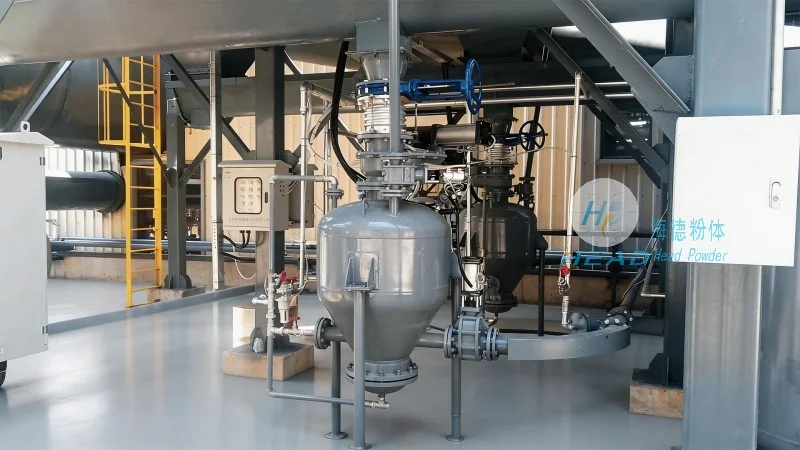
When selecting a kaolin powder conveying method, it is essential to weigh the advantages and disadvantages of each option against the specific requirements of the application. Air-pneumatic systems excel in enclosed, long-distance transport but at higher energy costs. Screw conveyors provide simplicity and versatility for moderate distances but may struggle with fine powders. Belt conveyors offer high capacity and efficiency for horizontal transport but require careful design to prevent dust and material degradation. Shandong HeadPowder Engineering Co., Ltd. recommends conducting a thorough analysis of the powder's properties, conveying distance, and operational constraints to determine the most suitable method. By considering factors such as material flowability, moisture content, and system layout, industrial operators can optimize their kaolin powder handling processes and achieve improved efficiency and cost savings.

 Shandong Headpowder Engineering Co., Ltd.
 156-6277-7102(Quản lý Trương)
  0531-83386006
  Thành phố Tế Nam, Tỉnh Sơn Đông, Trung Quốc
Điện thoại
WeChatTư vấn
Lên đầu