

Comparison of Common Phenolic Resin Powder Conveying Methods: Advantages and Disadvantages
Phenolic resin powder, a key material in various industrial applications, requires efficient and reliable conveying systems to ensure smooth production processes. The choice of conveying method significantly impacts operational efficiency, material quality, and overall cost-effectiveness. This article provides a detailed comparison of common phenolic resin powder conveying methods, highlighting their advantages and disadvantages to help industrial users make informed decisions.
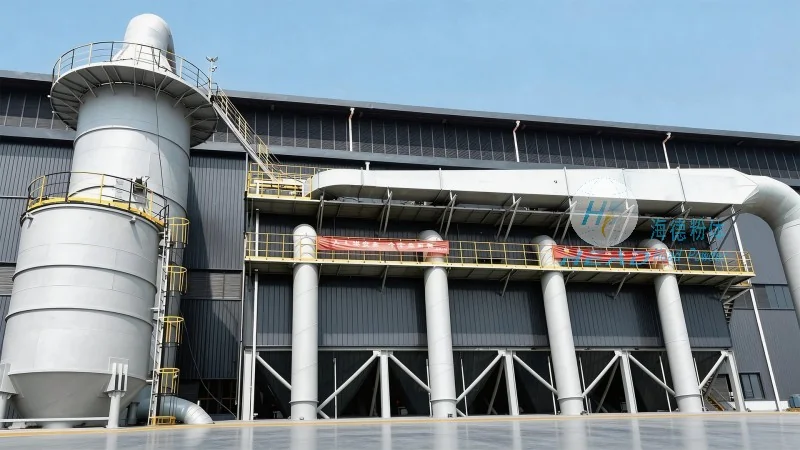
1. Pneumatic Conveying Systems
Pneumatic conveying is a widely used method for transporting phenolic resin powders due to its ability to handle fine powders and provide flexible system configurations. This method utilizes air pressure to move the powder through a pipeline. The primary advantages of pneumatic conveying include high conveying speeds, minimal material degradation, and the ability to transport powders over long distances. However, it also has notable disadvantages, such as higher energy consumption, potential for dust emissions if not properly sealed, and the need for regular maintenance of air compressors and filters. Pneumatic systems are particularly suitable for applications requiring precise control over powder flow and for handling powders that are sensitive to moisture or contamination.
2. Screw Conveyors
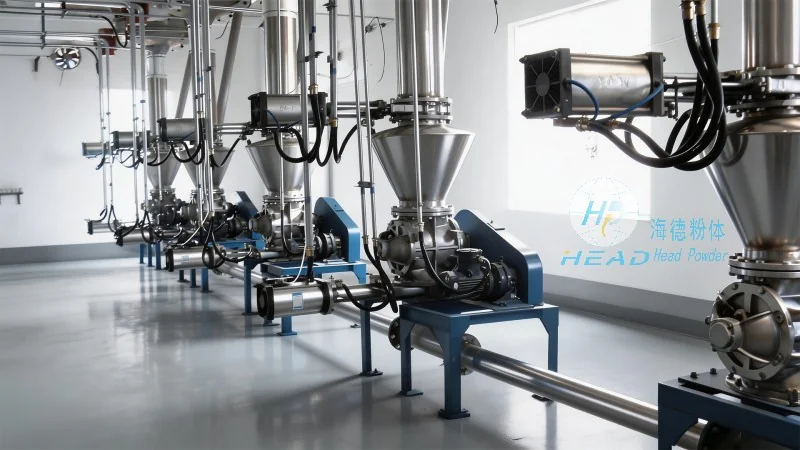
Screw conveyors, also known as auger conveyors, are another common method for transporting phenolic resin powders. These systems use a rotating screw to move the material along a trough. Screw conveyors offer several advantages, including simplicity in design, low maintenance requirements, and the ability to handle a wide range of powder types, including those with varying moisture content. They are particularly effective for horizontal or slightly inclined conveying tasks. The main disadvantages of screw conveyors include limitations in conveying distance (typically up to 30 meters for standard designs) and potential for material degradation due to friction and heat generation, especially with high-volume or abrasive powders. Additionally, screw conveyors may not be suitable for powders that are prone to caking or that require high-precision flow control.
3. Belt Conveyors
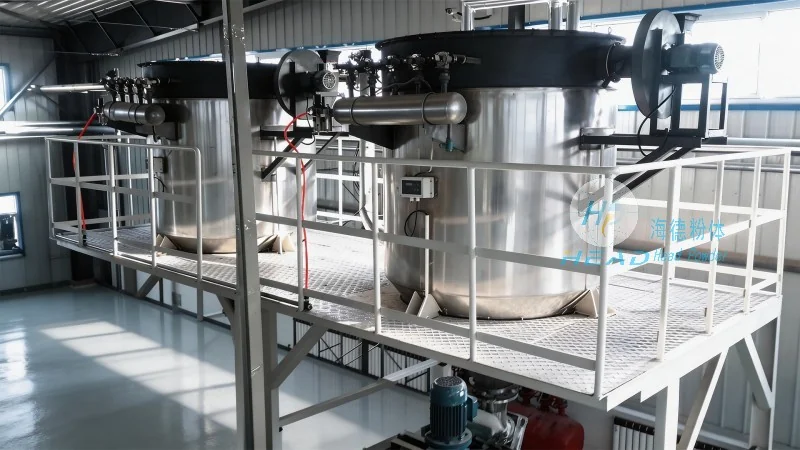
Belt conveyors are often used for phenolic resin powder handling, especially in bulk material transport applications. These systems utilize a continuous belt to move the powder from one location to another. The advantages of belt conveyors include high capacity, low energy consumption per unit volume, and the ability to transport powders over long distances with minimal maintenance. They are particularly effective for horizontal or gently sloped conveying and can handle large quantities of material efficiently. However, belt conveyors have several disadvantages, such as the need for regular belt replacement, potential for material spillage or buildup on the belt, and limitations in conveying fine powders due to the risk of dust accumulation and belt wear. Belt conveyors are generally more suitable for bulk handling rather than precise, small-scale powder transport.
4. Hydraulic Conveying
Hydraulic conveying systems use fluid pressure to transport phenolic resin powders. This method is less common compared to pneumatic or mechanical systems but offers unique advantages, particularly for handling highly abrasive or corrosive powders. The primary benefits of hydraulic conveying include the ability to handle difficult-to-convey materials, reduced dust emissions, and the potential for higher conveying efficiency in certain applications. However, hydraulic systems have significant disadvantages, including higher initial costs, complex maintenance requirements, and the need for specialized fluid handling equipment. Additionally, hydraulic systems may not be suitable for powders that are sensitive to moisture or that require precise control over flow rates, as fluid pressure can affect the material's properties.
5. Comparison and Selection Criteria
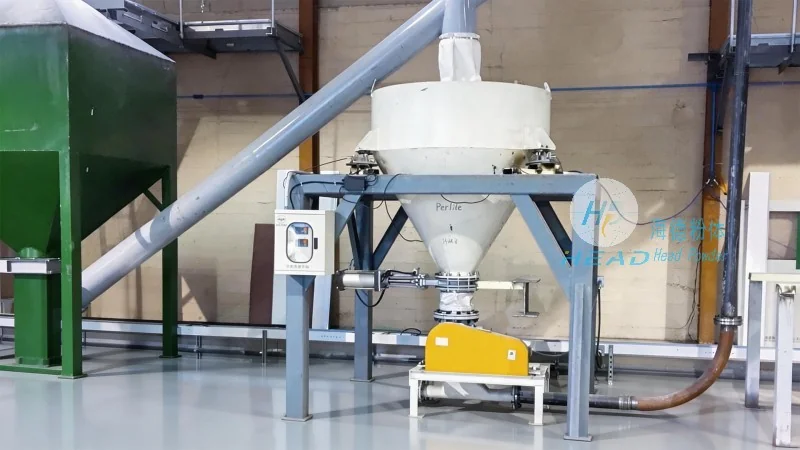
When selecting a phenolic resin powder conveying method, several factors must be considered to ensure optimal performance. These include the powder's physical properties (such as particle size, moisture content, and flowability), the required conveying distance, the desired flow rate, and the overall system cost. Pneumatic conveying is often preferred for fine powders and long-distance transport, while screw conveyors are suitable for moderate distances and simpler applications. Belt conveyors excel in bulk handling, and hydraulic systems are ideal for challenging materials. The choice ultimately depends on balancing operational efficiency, material integrity, and long-term cost considerations.
About Shandong HeadPowder Engineering Co., Ltd.
Shandong HeadPowder Engineering Co., Ltd., operating under the brand name HeadPowder, is a leading manufacturer of phenolic resin powder conveying solutions. With a focus on innovation and quality, the company provides customized conveying systems tailored to the specific needs of industrial clients. HeadPowder's expertise in material handling technology ensures that their products meet the highest standards of performance and reliability. The company's commitment to customer satisfaction and technical support makes it a trusted partner for businesses seeking efficient and effective phenolic resin powder transport solutions.