Công ty TNHH Kỹ thuật Headpowder Sơn Đông chuyên vận chuyển khí nén bột và hạt. Nhờ thế mạnh hợp tác doanh nghiệp‑trường‑viện, chúng tôi cung cấp giải pháp vận chuyển kín, không bụi, độ chính xác cao.
When it comes to transporting wood powder, selecting the right conveying method is crucial for efficiency, cost-effectiveness, and operational reliability. Among the various options available, pneumatic conveying stands out as a highly effective solution, especially for handling wood powder in industrial settings. This article provides an overview of different wood powder conveying methods and highlights the key advantages and features of pneumatic conveying, presented by Shandong HeadPowder Engineering Co., Ltd., a leading provider in the field.
Understanding Wood Powder Conveying Methods

Wood powder, often used in applications such as particleboard, fiberboard, and other wood-based products, requires specialized handling due to its fine particle size and potential for dust generation. Traditional conveying methods like belt conveyors or screw conveyors may struggle with wood powder, leading to issues like material degradation, blockages, and increased maintenance costs. In contrast, pneumatic conveying offers a more efficient and reliable approach to transporting wood powder over long distances or within complex processing systems.
Pneumatic Conveying: A Superior Solution for Wood Powder
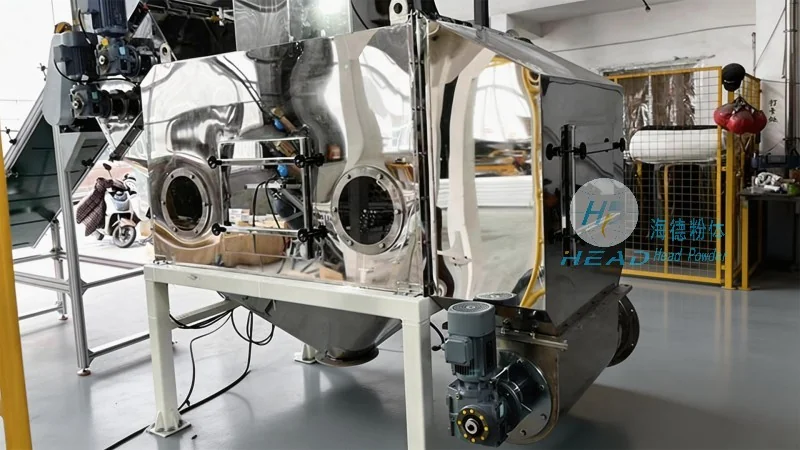
Pneumatic conveying, also known as air conveying, utilizes compressed air to move wood powder through a pipeline system. This method is particularly well-suited for wood powder due to its ability to handle fine particles, minimize dust exposure, and maintain product integrity. The core components of a pneumatic conveying system typically include a hopper, a blower or compressor, a pipeline network, and a discharge point. The system works by drawing wood powder from the hopper and transporting it through the pipeline using the force of compressed air.
Key Advantages of Pneumatic Conveying for Wood Powder
One of the primary advantages of pneumatic conveying for wood powder is its ability to handle fine, abrasive particles without causing excessive wear on equipment. Unlike mechanical conveyors that rely on physical contact with the material, pneumatic systems use air to move the powder, reducing the risk of material degradation and extending the lifespan of components. Additionally, pneumatic conveying offers high flexibility in system design, allowing for vertical, horizontal, or mixed-direction transport of wood powder, which is essential for complex industrial layouts.
Another significant benefit is the reduced risk of dust contamination and fire hazards. By containing the wood powder within a sealed pipeline system, pneumatic conveying minimizes dust exposure, improving workplace safety and compliance with environmental regulations. This is particularly important in industries where dust control is a critical concern, such as woodworking and particleboard manufacturing.
Enhanced Efficiency and Cost Savings
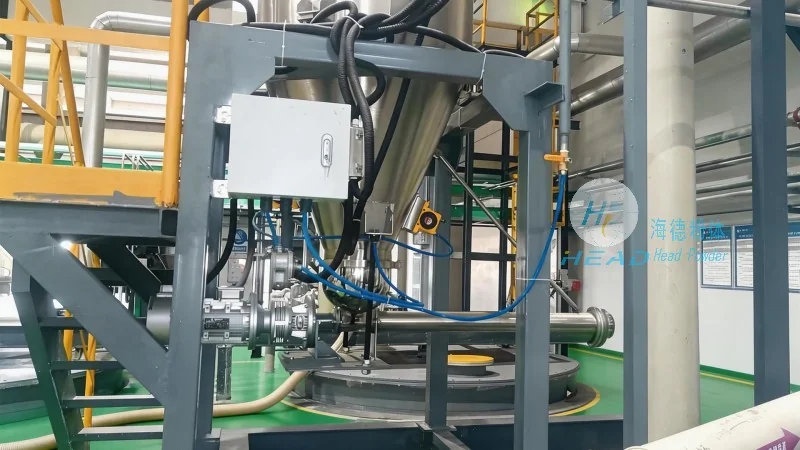
Pneumatic conveying systems are designed for high efficiency, often achieving throughput rates that exceed those of traditional mechanical conveyors. The ability to transport wood powder over long distances without the need for multiple transfer points reduces operational complexity and maintenance requirements. Furthermore, the sealed system design minimizes material loss and waste, contributing to overall cost savings for manufacturers. By optimizing the conveying process, companies can improve productivity and reduce downtime, which are critical factors in maintaining competitiveness in the wood processing industry.
Customization and Scalability
Shandong HeadPowder Engineering Co., Ltd. specializes in designing and manufacturing customized pneumatic conveying systems tailored to the specific needs of wood powder applications. The company's expertise lies in understanding the unique challenges of wood powder handling and developing solutions that address these challenges effectively. Whether for small-scale operations or large industrial facilities, the company's systems can be scaled to meet varying production demands, ensuring optimal performance and reliability. The customization options include different pipeline materials, blower capacities, and control systems, allowing for seamless integration with existing processing lines.
Conclusion: Choosing the Right Conveying Method for Wood Powder
For industries dealing with wood powder, the choice of conveying method can significantly impact operational efficiency and product quality. While traditional methods may offer basic transport capabilities, pneumatic conveying provides a superior solution with numerous advantages. By leveraging the expertise of companies like Shandong HeadPowder Engineering Co., Ltd., manufacturers can implement efficient, reliable, and cost-effective wood powder conveying systems that enhance their overall productivity and sustainability. As the demand for wood-based products continues to grow, the importance of selecting the right conveying technology becomes increasingly critical, and pneumatic conveying remains a top choice for many wood processing facilities.

 Shandong Headpowder Engineering Co., Ltd.
 156-6277-7102(Quản lý Trương)
  0531-83386006
  Thành phố Tế Nam, Tỉnh Sơn Đông, Trung Quốc
Điện thoại
WeChatTư vấn
Lên đầu