Công ty TNHH Kỹ thuật Headpowder Sơn Đông chuyên vận chuyển khí nén bột và hạt. Nhờ thế mạnh hợp tác doanh nghiệp‑trường‑viện, chúng tôi cung cấp giải pháp vận chuyển kín, không bụi, độ chính xác cao.
Magnetic powder, a crucial material in various industrial applications, requires efficient and reliable conveying systems to ensure smooth operation and maintain product quality. The choice of conveying method significantly impacts the overall performance of production lines, especially when dealing with materials that are sensitive to contamination or require precise handling. In this context, understanding the different magnetic powder conveying methods is essential for selecting the most suitable solution for specific industrial needs.
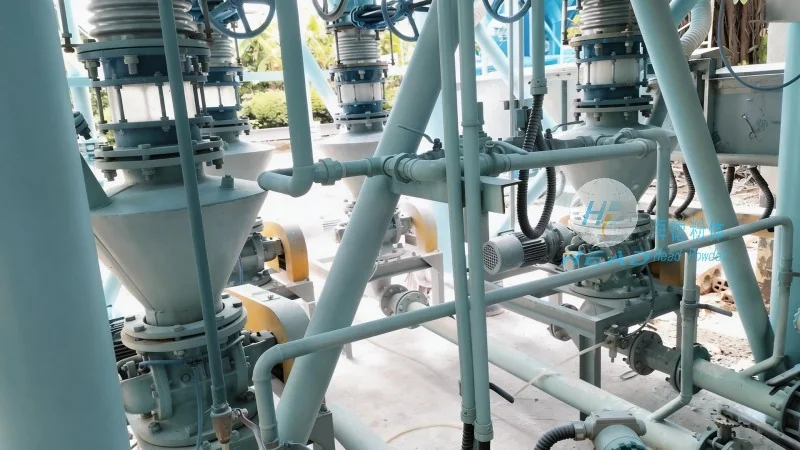
Common Magnetic Powder Conveying Methods
There are several conventional methods used for transporting magnetic powders, each with its own set of advantages and limitations. These methods include mechanical conveying systems such as screw conveyors, belt conveyors, and bucket elevators. However, these mechanical systems often face challenges when dealing with fine or abrasive magnetic powders, as they can lead to material degradation, increased wear and tear, and higher maintenance costs. Additionally, mechanical conveyors may not be suitable for long-distance or high-temperature applications, which further highlights the need for alternative solutions.
Pneumatic Conveying: A Superior Solution for Magnetic Powder Transport
Among the various conveying methods, pneumatic conveying stands out as a highly effective and versatile approach for magnetic powder transport. Pneumatic systems utilize air or other gases to move materials through a pipeline, offering several key advantages that make them ideal for handling magnetic powders. The primary benefit of pneumatic conveying is its ability to transport materials in a closed system, which minimizes exposure to external contaminants and maintains product purity. This is particularly important for magnetic powders used in high-tech applications, such as magnetic bearings, magnetic storage devices, and advanced manufacturing processes.
Another significant advantage of pneumatic conveying is its flexibility in handling different powder characteristics. Whether the magnetic powder is fine, coarse, or has a high moisture content, pneumatic systems can be adjusted to accommodate these variations. The system can be designed with different air velocities and pressure levels to optimize material flow and prevent clogging or blockages. This adaptability makes pneumatic conveying a reliable choice for diverse industrial environments.
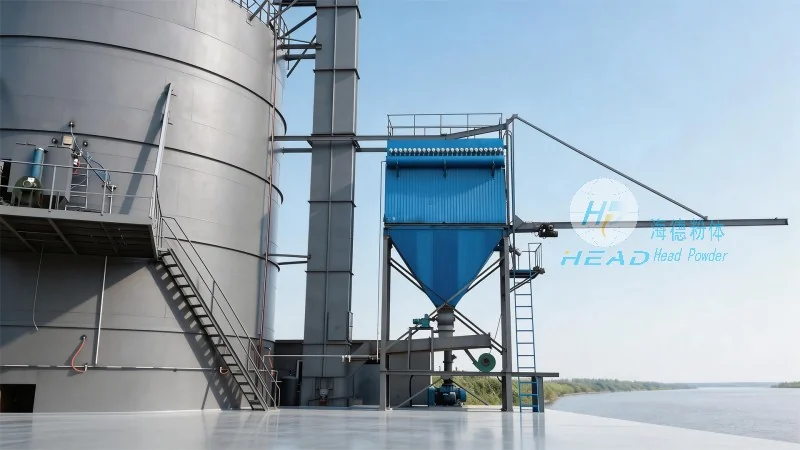
Key Advantages of Pneumatic Conveying for Magnetic Powders
When considering the advantages of pneumatic conveying for magnetic powder transport, several critical factors come into play. First, the closed-loop system ensures that the material remains contained throughout the conveying process, reducing the risk of dust emissions and environmental pollution. This is not only beneficial for maintaining a clean working environment but also helps in complying with environmental regulations and standards. Second, pneumatic systems offer high efficiency in terms of energy consumption and material throughput. By optimizing the air flow and pipeline design, these systems can achieve significant reductions in energy costs while maintaining high material transfer rates.
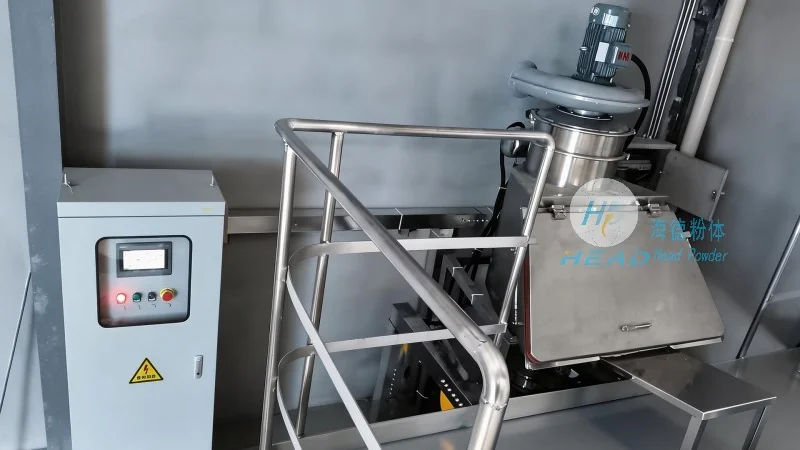
Third, pneumatic conveying provides excellent control over the material flow, allowing for precise dosing and dosing rates. This level of control is essential in applications where the exact amount of magnetic powder is critical, such as in the production of magnetic components or in pharmaceutical manufacturing. The ability to adjust the conveying speed and pressure enables operators to maintain consistent product quality and minimize waste. Additionally, pneumatic systems are less prone to mechanical failures compared to traditional mechanical conveyors, as they have fewer moving parts and are less susceptible to wear and tear from abrasive materials.
Features of Pneumatic Conveying Systems for Magnetic Powders
Modern pneumatic conveying systems for magnetic powders are equipped with advanced features that enhance their performance and reliability. These features include variable speed drives, which allow for real-time adjustment of the conveying rate based on production demands. The systems also incorporate dust collection and filtration units to ensure that any airborne particles are captured and removed, further protecting the material and the environment. Additionally, many pneumatic conveying systems are designed with modular components, making them easy to install, maintain, and upgrade as production needs change.
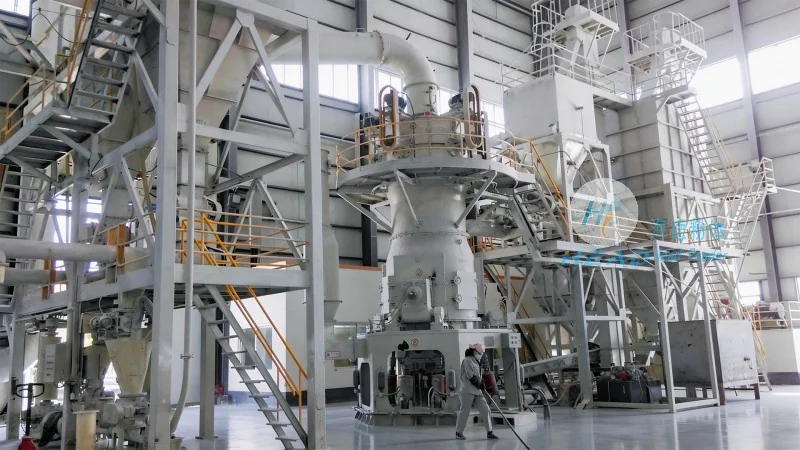
Another notable feature is the ability to integrate pneumatic conveying with other processing equipment, such as mixers, classifiers, and packaging machines. This integration allows for a seamless flow of materials from one stage to the next, reducing downtime and improving overall production efficiency. The systems can be customized to fit specific plant layouts and operational requirements, ensuring that they meet the unique needs of each industrial application.
Conclusion: Choosing the Right Conveying Method for Magnetic Powders
In conclusion, the choice of magnetic powder conveying method depends on various factors, including the material characteristics, application requirements, and operational constraints. While mechanical conveying systems may be suitable for some applications, pneumatic conveying offers superior advantages in terms of efficiency, flexibility, and product protection. For industries dealing with high-value magnetic powders, the benefits of pneumatic conveying, such as maintaining product purity and reducing contamination risks, make it the preferred choice.
Shandong HeadPowder Engineering Co., Ltd., a leading manufacturer of magnetic powder conveying solutions, specializes in providing customized pneumatic conveying systems tailored to the specific needs of their clients. With years of experience in the industry, the company has developed advanced technologies and expertise to deliver reliable and efficient conveying solutions for magnetic powders. Based in Shandong, China, HeadPowder Engineering Co., Ltd. serves a wide range of industries, including electronics, automotive, and pharmaceuticals, helping them optimize their production processes and enhance product quality.

 Shandong Headpowder Engineering Co., Ltd.
 156-6277-7102(Quản lý Trương)
  0531-83386006
  Thành phố Tế Nam, Tỉnh Sơn Đông, Trung Quốc
Điện thoại
WeChatTư vấn
Lên đầu