

High Temperature Ash Conveying Methods: An Overview of the Advantages and Features of Pneumatic Conv
High temperature ash, a byproduct of industrial processes such as coal combustion in power plants, poses unique challenges when it comes to material handling and transportation. The high temperature and potentially abrasive nature of this material require specialized conveying systems to ensure efficiency, safety, and minimal environmental impact. Among the various methods available for high temperature ash transport, pneumatic conveying stands out as a preferred solution due to its versatility and effectiveness. This article explores the different high temperature ash conveying methods and delves into the key advantages and features of pneumatic conveying technology, highlighting how it addresses the specific demands of handling high temperature ash.
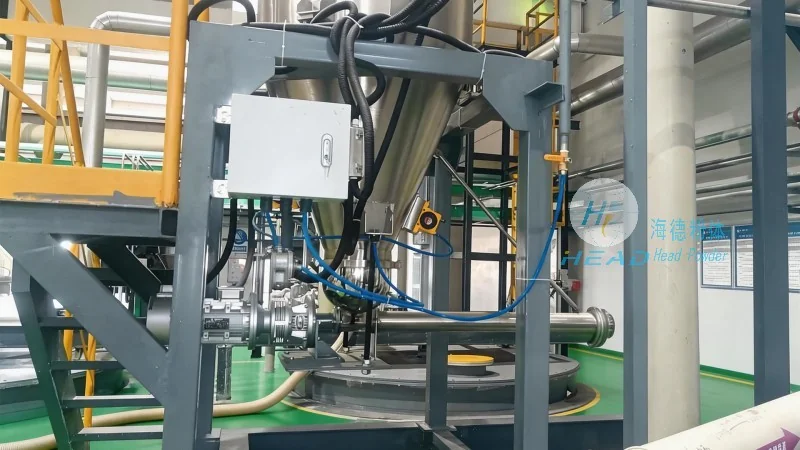
Understanding High Temperature Ash and Conveying Challenges
High temperature ash, often referred to as hot ash or fly ash, is generated when coal or other fossil fuels are burned at high temperatures. This ash is characterized by its elevated temperature, typically ranging from 200°C to 800°C, and its abrasive properties, which can cause wear on conventional conveyor components. Traditional mechanical conveyors, such as belt or screw conveyors, are generally unsuitable for high temperature ash due to the risk of material degradation, equipment damage, and safety hazards. Therefore, specialized conveying methods are essential to handle this material effectively.
Common High Temperature Ash Conveying Methods
Several methods are employed for the transportation of high temperature ash, each with its own set of advantages and limitations. The primary options include mechanical conveyors, pneumatic conveying systems, and hybrid solutions that combine both approaches. Mechanical conveyors, like belt or screw conveyors, are widely used for transporting bulk materials at lower temperatures but are not ideal for high temperature ash. In contrast, pneumatic conveying systems utilize air or gas to transport the material through a pipeline, offering a more flexible and efficient solution for high temperature applications.
Pneumatic Conveying for High Temperature Ash: Key Advantages
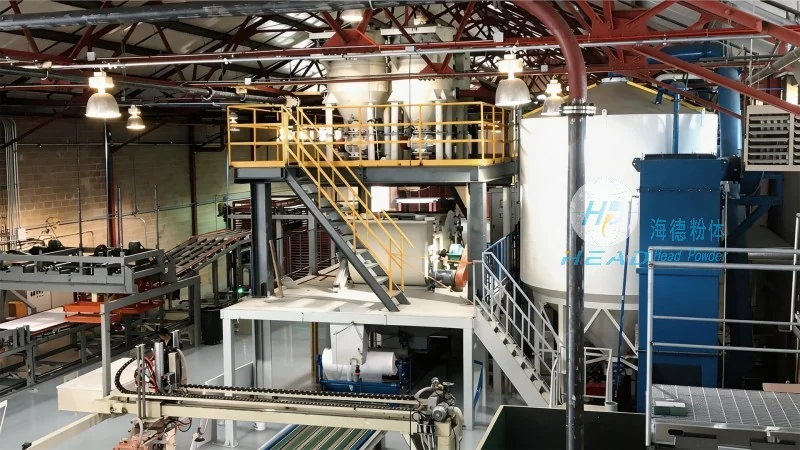
Pneumatic conveying systems are particularly well-suited for high temperature ash due to several key advantages. Firstly, they provide a continuous and enclosed transport process, minimizing the risk of dust emissions and environmental contamination. The enclosed pipeline system ensures that the high temperature ash is contained throughout the conveying process, reducing exposure to personnel and the environment. Secondly, pneumatic conveying offers high transport efficiency, allowing for the movement of large volumes of material over long distances with minimal energy consumption compared to other methods. This efficiency is crucial for industrial applications where large quantities of high temperature ash need to be handled regularly.
Key Features of Pneumatic Conveying Systems for High Temperature Ash
The effectiveness of pneumatic conveying for high temperature ash is enhanced by several key features. One of the most significant features is the ability to handle abrasive and high-temperature materials without causing excessive wear on system components. Advanced materials, such as high-temperature resistant alloys and wear-resistant coatings, are used in the construction of the conveying pipelines and components to ensure durability and longevity. Additionally, pneumatic conveying systems can be designed with temperature-resistant seals and insulation to maintain the integrity of the material during transport, preventing cooling or degradation. The flexibility of the system design allows for customization based on the specific characteristics of the high temperature ash, including particle size, moisture content, and temperature variations.
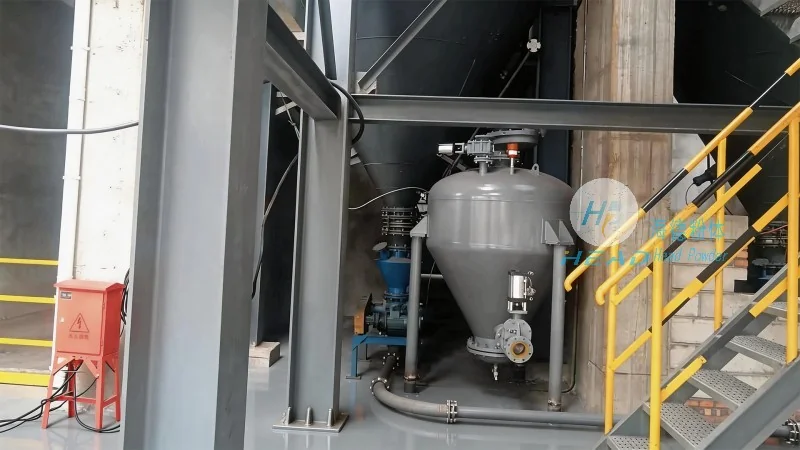
Application Examples and Real-World Implementation
Pneumatic conveying systems for high temperature ash are widely implemented in power plants and industrial facilities across China. For instance, in thermal power stations, these systems are used to transport fly ash from the boiler to the storage silos or for further processing. The enclosed and efficient nature of pneumatic conveying ensures safe and effective handling, reducing accident risks and environmental pollution. The system's ability to handle high temperatures and abrasive materials makes it an ideal choice for these applications, where reliability and performance are critical. In addition to power plants, pneumatic conveying is also used in other industrial sectors, such as cement production and metal processing, where high temperature ash is generated as a byproduct.
Conclusion: Choosing the Right Conveying Solution for High Temperature Ash
In conclusion, the choice of high temperature ash conveying method depends on the specific requirements of the industrial application, including material characteristics, transport distance, and safety considerations. While mechanical conveyors may be suitable for lower temperature applications, pneumatic conveying offers a superior solution for high temperature ash due to its efficiency, safety, and flexibility. The key advantages of pneumatic conveying, including enclosed transport, high efficiency, and durability, make it a preferred choice for handling high temperature ash in industrial settings. As technology advances, the development of more advanced pneumatic conveying systems continues to improve the handling of high temperature ash, ensuring that industrial processes remain efficient and environmentally responsible.