

Types of Sodium Hydroxide Conveying: An Overview of the Advantages and Features of Pneumatic Conveyi
When it comes to handling sodium hydroxide (NaOH), commonly known as caustic soda, selecting the right conveying method is crucial for ensuring efficiency, safety, and cost-effectiveness in industrial applications. Sodium hydroxide is a highly caustic and reactive chemical, making the choice of conveying system critical to prevent contamination, minimize material loss, and maintain operational safety. This article explores the various methods of sodium hydroxide conveyance, with a particular focus on the advantages and characteristics of pneumatic conveying, a popular and effective solution for transporting this hazardous material.
Understanding Sodium Hydroxide and Its Conveying Challenges
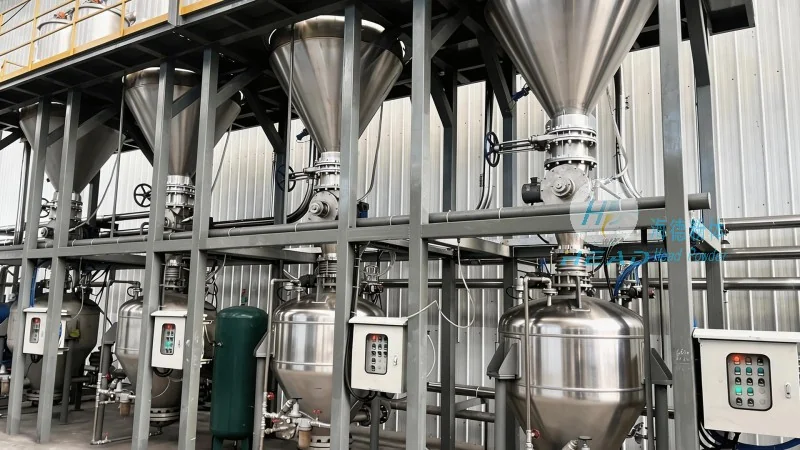
Sodium hydroxide is a strong base widely used in chemical manufacturing, paper production, and water treatment. Its properties, such as high reactivity with acids and moisture, and its tendency to absorb carbon dioxide from the air, make conventional bulk material handling methods challenging. Traditional methods like belt conveyors or screw conveyors may not be suitable due to the risk of material degradation, corrosion, or the need for specialized equipment to handle its caustic nature. Therefore, specialized conveying systems are often required to ensure safe and efficient transport of sodium hydroxide from storage to processing units.
Common Conveying Methods for Sodium Hydroxide
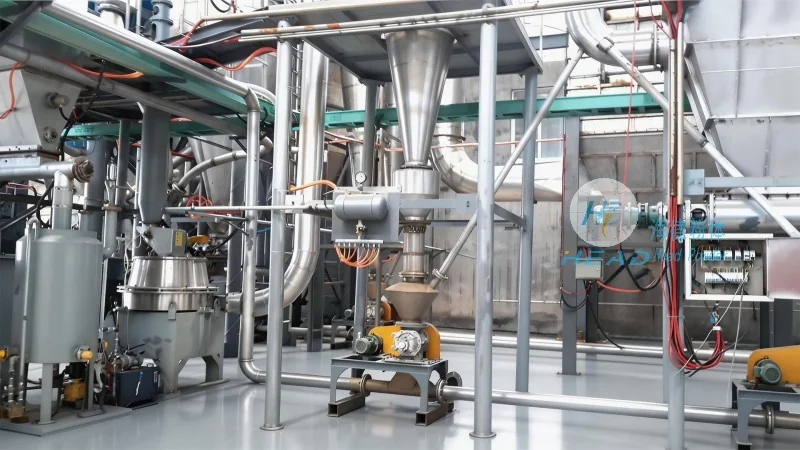
Several methods are employed for transporting sodium hydroxide, each with its own set of advantages and limitations. The primary options include:
Pneumatic Conveying: This method uses air or other gases to transport the material through a pipeline system. It is particularly effective for handling fine powders or granules of sodium hydroxide, as it minimizes material contact with equipment and reduces the risk of dust exposure.
Hydraulic Conveying: Involves the use of water or other liquids to move the material through a pipeline. While effective for certain applications, it may not be suitable for sodium hydroxide due to potential chemical reactions or the need for specialized equipment to prevent corrosion.

Belt Conveyors: A common method for bulk material handling, but may require additional safety measures and specialized materials to prevent damage from the caustic nature of sodium hydroxide.
Screw Conveyors: Often used for granular materials, but may not be ideal for fine powders of sodium hydroxide due to the risk of blockages and material degradation.
Pneumatic Conveying: The Preferred Solution for Sodium Hydroxide
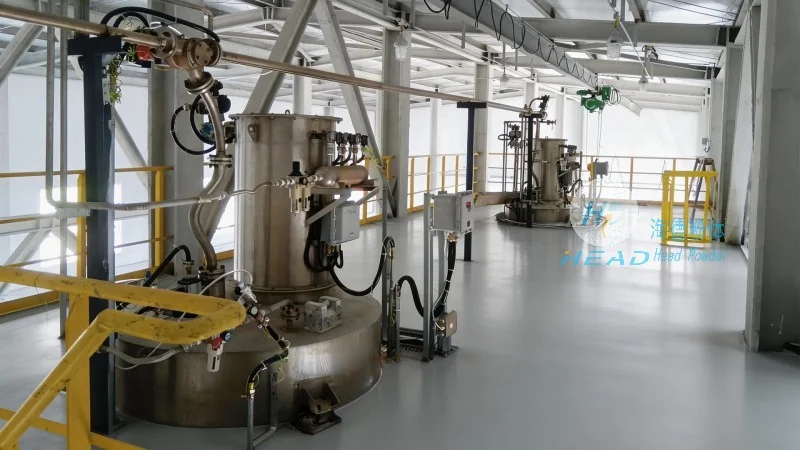
Among the various conveying methods, pneumatic conveying stands out as the most suitable for sodium hydroxide due to its ability to handle fine powders, maintain material integrity, and ensure safe transport. Pneumatic conveying systems use air pressure to move the material through a pipeline, eliminating the need for mechanical contact that could lead to contamination or degradation. This method is particularly advantageous for sodium hydroxide because it minimizes exposure to moisture and air, which can cause the material to absorb carbon dioxide and change its properties.
The core components of a pneumatic conveying system for sodium hydroxide typically include a hopper, a feeder, a pipeline, and a receiver. The hopper stores the material, while the feeder controls the flow rate. The pipeline transports the material using air pressure, and the receiver collects the material at the destination. This system can be designed as a dilute-phase or dense-phase system, depending on the specific requirements of the application.
One of the key advantages of pneumatic conveying is its ability to handle both dry and wet sodium hydroxide, though dry conveying is more common due to the material's hygroscopic nature. The system can be configured to operate in either positive or negative pressure modes, allowing for flexibility in the layout of the conveying line. Positive pressure systems are often preferred for long-distance or complex layouts, as they provide better control over the material flow and reduce the risk of dust leakage.
Advantages of Pneumatic Conveying for Sodium Hydroxide
Pneumatic conveying offers several benefits that make it the preferred choice for transporting sodium hydroxide: