Công ty TNHH Kỹ thuật Headpowder Sơn Đông chuyên vận chuyển khí nén bột và hạt. Nhờ thế mạnh hợp tác doanh nghiệp‑trường‑viện, chúng tôi cung cấp giải pháp vận chuyển kín, không bụi, độ chính xác cao.
Monocrystalline silicon is a critical material in the semiconductor industry, widely used in solar panels and other high-tech applications. The efficient and safe transportation of this material is essential for manufacturing processes. There are several methods for conveying monocrystalline silicon, each with its own set of advantages and limitations. This article explores the various conveying methods available and focuses on the benefits and characteristics of pneumatic conveying, a popular choice for handling monocrystalline silicon.
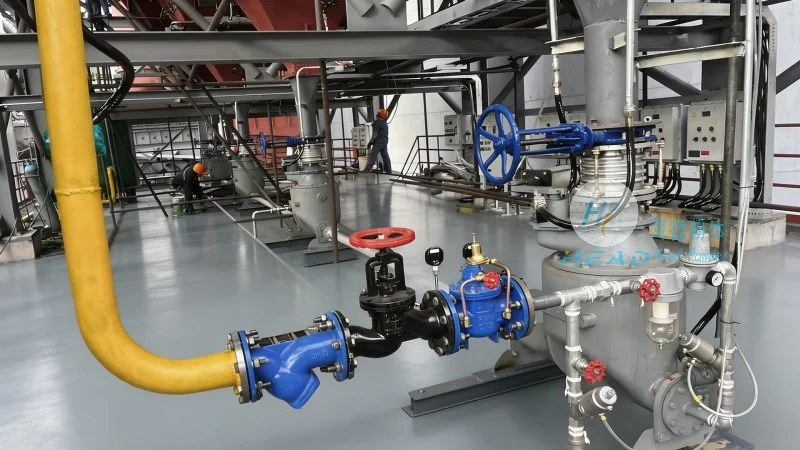
Overview of Monocrystalline Silicon Conveying Methods
Monocrystalline silicon is typically handled in forms such as ingots, wafers, or powders, each requiring different conveying approaches. Traditional methods include mechanical conveyors like belt conveyors, screw conveyors, and bucket elevators. These systems are effective for bulk materials but may not be suitable for delicate or high-value monocrystalline silicon due to the risk of surface damage or contamination. For more sensitive applications, specialized methods are employed.
Pneumatic Conveying of Monocrystalline Silicon: Advantages and Key Features
Pneumatic conveying, also known as air conveying, is a non-contact method that uses compressed air to transport materials through a pipeline. This technique is particularly advantageous for monocrystalline silicon because it minimizes physical contact with the material, reducing the risk of scratches, cracks, or contamination. The process involves introducing monocrystalline silicon particles into a sealed pipeline and using air pressure to move them to the destination. Key features of pneumatic conveying for monocrystalline silicon include:
Non-Contact Handling: By eliminating direct contact with machinery, pneumatic systems preserve the integrity of the silicon material, which is crucial for maintaining its quality and performance in downstream applications.
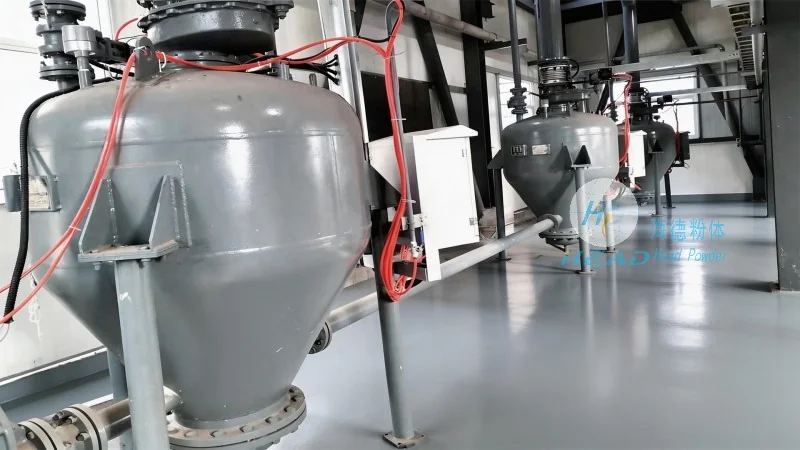
Clean and Contamination-Free: The sealed pipeline design prevents exposure to external contaminants, ensuring that the monocrystalline silicon remains in a pristine state. This is especially important for high-purity silicon used in solar cells and semiconductor devices.
High Efficiency and Flexibility: Pneumatic conveying systems can transport materials over long distances and through complex layouts, adapting to various production line configurations. They can handle both small and large quantities with consistent speed and reliability.
Reduced Maintenance: Compared to mechanical conveyors, pneumatic systems have fewer moving parts, leading to lower maintenance requirements and longer service life. This results in reduced downtime and operational costs.
Energy Efficiency: Modern pneumatic conveying solutions utilize optimized air flow and pressure control, minimizing energy consumption while maintaining high transport efficiency.
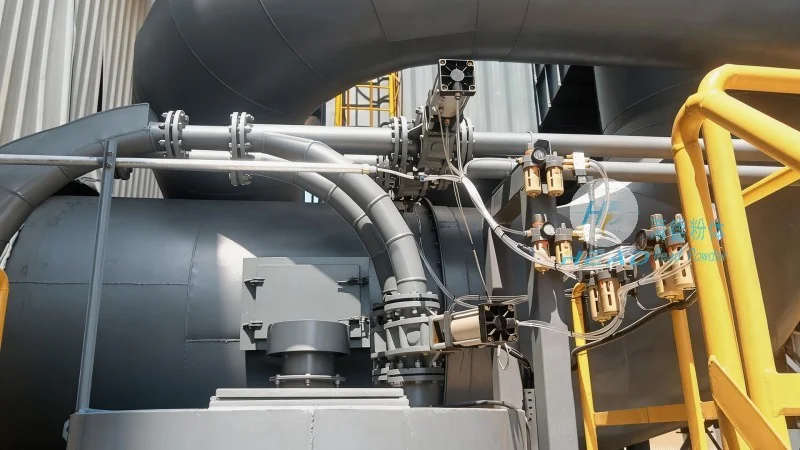
Application Examples in Monocrystalline Silicon Manufacturing
Monocrystalline silicon is commonly used in the production of solar panels, where it is processed into thin wafers. Pneumatic conveying is often used to transport silicon ingots from the casting area to the cutting and slicing stations. The non-contact nature of the system prevents damage to the ingot surfaces, ensuring that the final wafers have minimal defects. Additionally, in the powder form, pneumatic conveying is used to move silicon powder for further processing, such as doping or coating.
Conclusion
While various conveying methods exist for monocrystalline silicon, pneumatic conveying stands out due to its ability to handle the material with precision and care. The advantages of non-contact handling, contamination control, and operational efficiency make it a preferred choice in modern manufacturing. Companies like Shandong HeadPowder Engineering Co., Ltd., based in Shandong, China, specialize in designing and implementing advanced pneumatic conveying systems tailored to the specific needs of monocrystalline silicon processing. Their expertise ensures that manufacturers can achieve optimal performance and maintain the high standards required for high-quality silicon products.

 Shandong Headpowder Engineering Co., Ltd.
 156-6277-7102(Quản lý Trương)
  0531-83386006
  Thành phố Tế Nam, Tỉnh Sơn Đông, Trung Quốc
Điện thoại
WeChatTư vấn
Lên đầu