

Types of Activated Carbon Granule Conveying Methods: An Overview of the Advantages and Features of P
Activated carbon granules are widely used in various industrial applications, including water treatment, air purification, and chemical processing. The efficient and reliable transportation of these granules is crucial for maintaining the performance and efficiency of the overall system. There are several methods available for conveying activated carbon granules, each with its own set of advantages and limitations. This article provides an overview of the common conveying methods and highlights the benefits of pneumatic conveying, a popular choice for handling activated carbon granules.
Overview of Activated Carbon Granule Conveying Methods
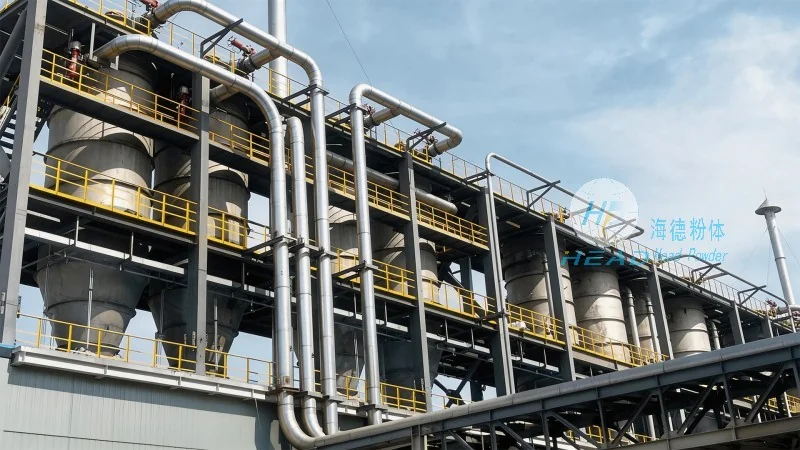
Conveying activated carbon granules involves moving these particles from one location to another within a processing facility. The primary methods used include bulk material handling techniques such as belt conveyors, screw conveyors, and pneumatic conveying systems. Each method has distinct characteristics that make it suitable for different operational requirements and environmental conditions.
Belt Conveyors for Activated Carbon Granule Transport
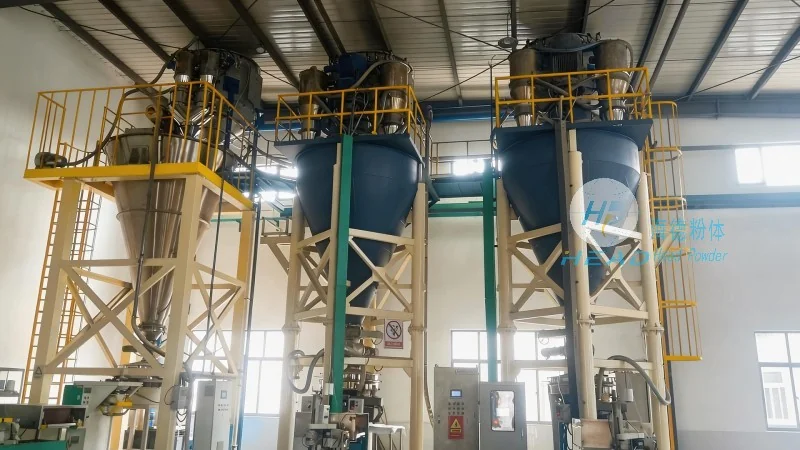
Belt conveyors are a traditional and widely used method for transporting bulk materials, including activated carbon granules. These systems consist of a continuous belt that moves over rollers or pulleys, transporting the granules from the source to the destination. Belt conveyors are particularly effective for long-distance transport and can handle large volumes of material with minimal maintenance. However, they may not be suitable for fine or dusty granules, as the belt can cause dust accumulation and potential contamination. Additionally, belt conveyors require regular cleaning and maintenance to prevent clogging and ensure smooth operation.
Screw Conveyors for Activated Carbon Granule Handling
Screw conveyors, also known as auger conveyors, use a rotating screw to move activated carbon granules through a tube or trough. This method is ideal for transporting granules in a closed system, which helps contain dust and prevent environmental contamination. Screw conveyors are suitable for both horizontal and inclined transport and can handle a wide range of granule sizes and moisture contents. They are particularly effective for applications where the material needs to be mixed or blended during transport. However, screw conveyors may experience wear and tear on the screw and trough, especially with abrasive granules, and may not be suitable for very fine or lightweight particles that could be carried away by the air.
Pneumatic Conveying Systems for Activated Carbon Granules
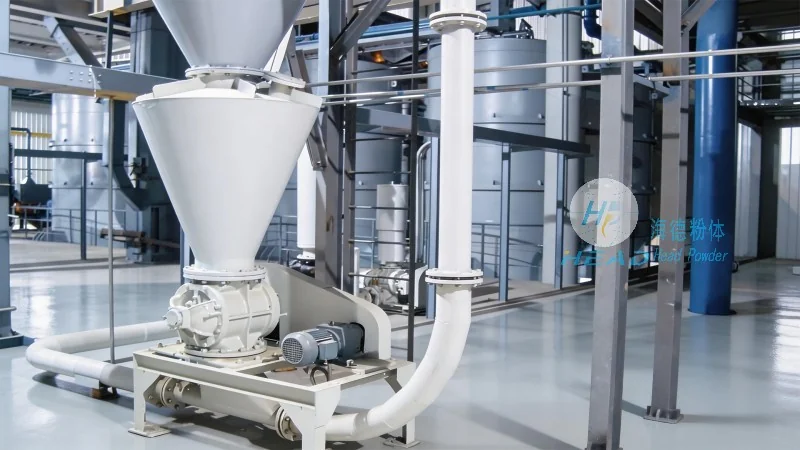
Pneumatic conveying, also known as air conveying, is a popular method for transporting activated carbon granules due to its ability to handle fine particles and provide a dust-free environment. This system uses compressed air to move the granules through a pipeline. There are two main types of pneumatic conveying systems: pressure and vacuum. Pressure systems use compressed air to push the granules forward, while vacuum systems use a vacuum to draw the granules into the pipeline. Pneumatic conveying offers several advantages, including high efficiency, low maintenance, and the ability to transport granules over long distances without the need for multiple transfer points. Additionally, pneumatic systems can be integrated with other processing equipment, such as filters and reactors, to create a seamless material flow.
Advantages of Pneumatic Conveying for Activated Carbon Granules
When compared to other conveying methods, pneumatic conveying offers several key advantages for activated carbon granules. One of the most significant benefits is the ability to handle fine and dusty particles without causing clogging or loss of material. The enclosed system also helps maintain the purity of the granules, which is critical for applications where contamination can affect performance. Pneumatic systems are also highly efficient, as they can transport large volumes of material with minimal energy consumption. Additionally, these systems are flexible and can be easily adjusted to accommodate changes in production volume or material characteristics. The low maintenance requirements of pneumatic conveying systems also contribute to cost savings over time, as there are fewer moving parts and less wear and tear compared to other methods.
Features of Pneumatic Conveying Systems for Activated Carbon Granules
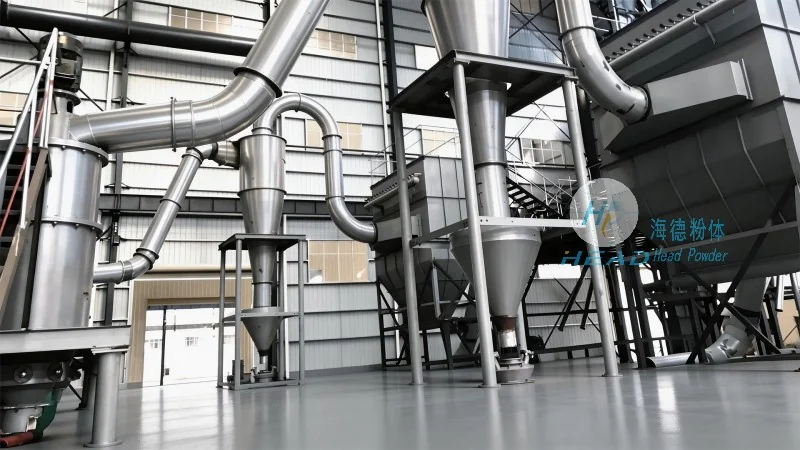
The features of pneumatic conveying systems for activated carbon granules are designed to optimize performance and reliability. These systems typically include components such as air compressors, filters, and control valves to regulate the flow of air and granules. The use of high-quality materials, such as stainless steel, ensures that the system can withstand the abrasive nature of activated carbon granules and resist corrosion from moisture or chemicals. Advanced control systems allow for precise monitoring and adjustment of the conveying process, ensuring consistent material flow and preventing overloading or underloading of the system. Additionally, the modular design of pneumatic conveying systems allows for easy installation and expansion, making them suitable for both new and existing facilities.
Conclusion and Company Introduction
Activated carbon granule conveying is a critical aspect of industrial operations, and the choice of conveying method can significantly impact the efficiency and performance of the overall system. While belt and screw conveyors are effective for certain applications, pneumatic conveying offers unique advantages, particularly for fine and dusty granules. The advantages of pneumatic conveying, including high efficiency, low maintenance, and the ability to handle long distances, make it a preferred choice for many industries. As a leading provider of engineering solutions, Shandong HeadPowder Engineering Co., Ltd. specializes in the design and manufacturing of pneumatic conveying systems tailored to the specific needs of activated carbon granule handling. With a focus on quality and reliability, HeadPowder delivers customized solutions that enhance operational efficiency and ensure the consistent performance of activated carbon granule processing systems.