

Carbon Additive Powder Conveying Methods: An Overview of the Advantages and Features of Pneumatic Co
Carbon additive powders are essential materials in various industrial applications, including steelmaking, foundry, and other metallurgical processes. The efficient and reliable transportation of these powders is crucial for maintaining production efficiency and product quality. There are several methods available for conveying carbon additive powders, each with its own set of advantages and limitations. This article will explore the common conveying methods and focus on the benefits and characteristics of pneumatic conveying, a widely used technique in the industry.
Common Conveying Methods for Carbon Additive Powders
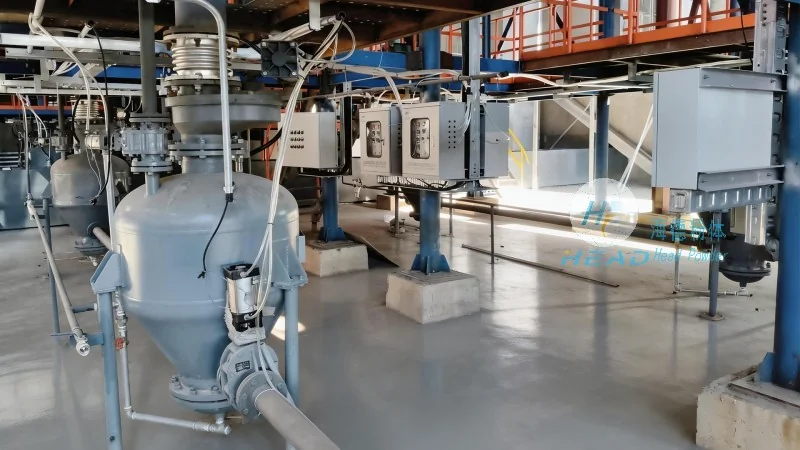
Before delving into the specifics of pneumatic conveying, it's important to understand the primary methods used for transporting carbon additive powders. The main categories include mechanical conveying systems and pneumatic conveying systems. Mechanical conveying methods, such as screw conveyors, belt conveyors, and bucket elevators, are often used for bulk materials but may face challenges with fine powders due to issues like dust accumulation, blockages, and material degradation. These systems are generally less effective for high-purity carbon additive powders that require careful handling to prevent contamination or loss of quality.
Pneumatic Conveying: A Detailed Overview
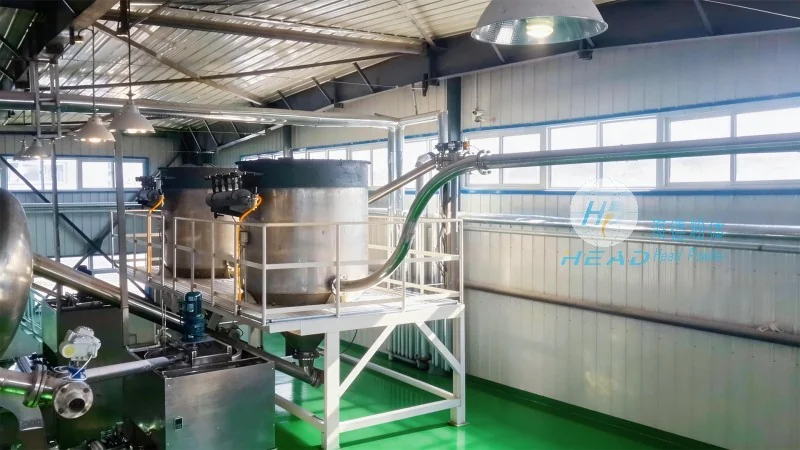
Pneumatic conveying, also known as air conveying, is a method that uses air or other gases to transport solid materials like carbon additive powders. This technique offers several advantages over traditional mechanical systems, making it a preferred choice for many industries. The core principle involves creating a pressure differential or using vacuum to move the powder through a pipeline. The process can be categorized into two main types: pressure conveying and vacuum conveying. Pressure conveying uses compressed air to push the powder through the system, while vacuum conveying uses a vacuum to draw the material into the pipeline.
Advantages of Pneumatic Conveying for Carbon Additive Powders
One of the key advantages of pneumatic conveying is its ability to handle fine and abrasive powders without causing damage or degradation. Unlike mechanical systems that may crush or agglomerate the powder, pneumatic conveying maintains the particle integrity, which is critical for applications where the powder's size and shape are important. Another significant benefit is the flexibility in system design. Pneumatic conveying systems can be easily configured to handle varying flow rates and distances, making them suitable for both small-scale and large-scale operations. The ability to integrate multiple feeding points and discharge points also enhances operational efficiency, allowing for more complex material handling processes.
Key Features of Pneumatic Conveying Systems
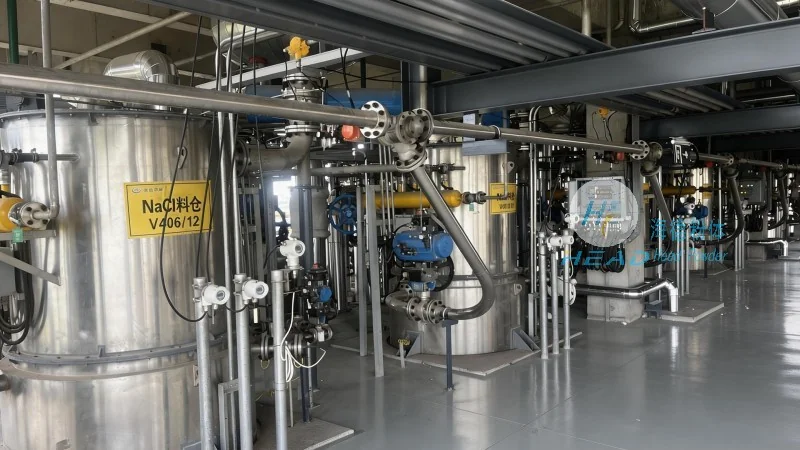
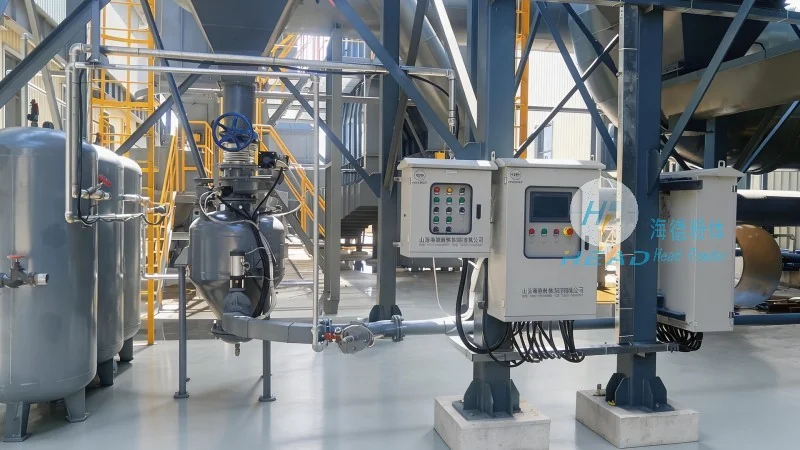
Modern pneumatic conveying systems for carbon additive powders are equipped with advanced features that enhance performance and reliability. These systems typically include components such as feeders, airlocks, filters, and control panels. The feeders, often rotary or vibratory, ensure a consistent and controlled flow of the powder into the conveying line. Airlocks are used to separate the powder from the air stream, preventing backflow and maintaining system pressure. High-efficiency filters are essential to capture any fine particles and protect downstream equipment from contamination. Control panels allow operators to monitor and adjust system parameters, such as air pressure and flow rate, to optimize performance and ensure smooth operation.
Applications and Performance in Carbon Additive Processing
The effectiveness of pneumatic conveying in carbon additive processing is demonstrated through its application in various industrial settings. For instance, in steelmaking, carbon additive powders are used to adjust the carbon content of molten steel. The ability of pneumatic conveying to deliver precise amounts of powder to the furnace without spillage or loss is crucial for maintaining the desired chemical composition. In foundry operations, carbon additive powders are used to improve the properties of cast iron and steel. Pneumatic conveying ensures that the powder is evenly distributed in the molding sand, leading to better casting quality and reduced defects. The consistent and reliable delivery of carbon additive powders through pneumatic systems also contributes to improved production throughput and reduced downtime.
Conclusion and Company Information
In conclusion, pneumatic conveying is a highly effective method for transporting carbon additive powders, offering numerous advantages over traditional mechanical systems. Its ability to handle fine powders, maintain material integrity, and provide flexible system design makes it an ideal choice for various industrial applications. As a leading provider of carbon additive powder conveying solutions, Shandong HeadPowder Engineering Co., Ltd. specializes in designing and manufacturing advanced pneumatic conveying systems tailored to the specific needs of clients. With a focus on quality and reliability, HeadPowder ensures that its systems meet the highest industry standards, providing customers with efficient and durable solutions for their material handling requirements. Based in Shandong, China, HeadPowder leverages its expertise and experience to deliver innovative solutions that enhance operational efficiency and product quality in the carbon additive industry.