

Common Dust Transport Methods: An Introduction to Pneumatic Conveying for Dust
Efficient and reliable dust transport is a critical aspect of many industrial processes, particularly in sectors dealing with bulk materials like powders and granules. The choice of transport method significantly impacts operational efficiency, safety, and environmental compliance. This article provides an overview of common dust transport methods, with a focus on the principles and applications of pneumatic conveying systems, as offered by Shandong HeadPowder Engineering Co., Ltd., a leading provider in the field.

Understanding Dust Transport: The Core Principles
Before delving into specific methods, it's essential to grasp the fundamental principles of dust transport. Dust, in its particulate form, can be moved through a pipeline using air or gas as the conveying medium. The primary goal is to ensure that the material is transported without excessive pressure drops, minimal particle degradation, and optimal system performance. Key factors influencing the selection of a transport method include the characteristics of the dust (such as particle size, moisture content, and abrasiveness), the distance to be covered, and the required throughput.
Common Dust Transport Methods: A Detailed Overview
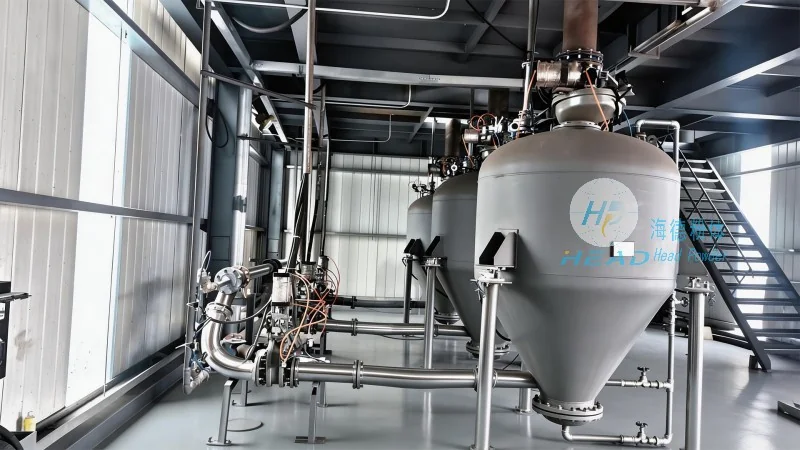
There are several established methods for transporting dust, each with its own advantages and applications. The most prevalent among them are pneumatic conveying systems, which can be categorized into positive pressure, negative pressure, and mixed pressure systems. Each method operates on different pressure principles and is suited to specific operational requirements.
Positive Pressure Pneumatic Conveying Systems
Positive pressure systems operate by blowing air or gas into the conveying line, creating a pressure higher than the ambient air pressure. This method is ideal for applications requiring high material throughput and the transport of abrasive or corrosive materials. The system typically includes a blower or compressor, a hopper for material storage, and a discharge point. The air flow propels the dust particles through the pipeline, ensuring a continuous and efficient transport process. Positive pressure systems are often preferred in industries such as food processing, pharmaceuticals, and chemical manufacturing, where product purity and contamination control are paramount.
Negative Pressure Pneumatic Conveying Systems
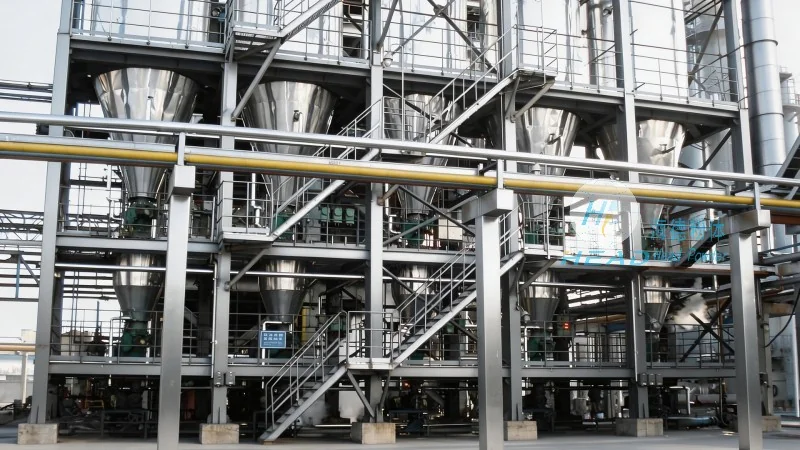
Conversely, negative pressure systems draw air and dust particles into the conveying line using a vacuum or suction mechanism. This approach is commonly used for short-distance transport and for handling materials that are sensitive to pressure changes or for applications where the material is to be collected from a source. The system comprises a vacuum pump, a collection hopper, and a discharge point. The negative pressure creates a suction force that pulls the dust particles into the pipeline, maintaining a clean and controlled environment. Negative pressure systems are particularly useful in applications like dust collection and material recovery, where the material needs to be returned to a central processing unit.
Mixed Pressure Pneumatic Conveying Systems
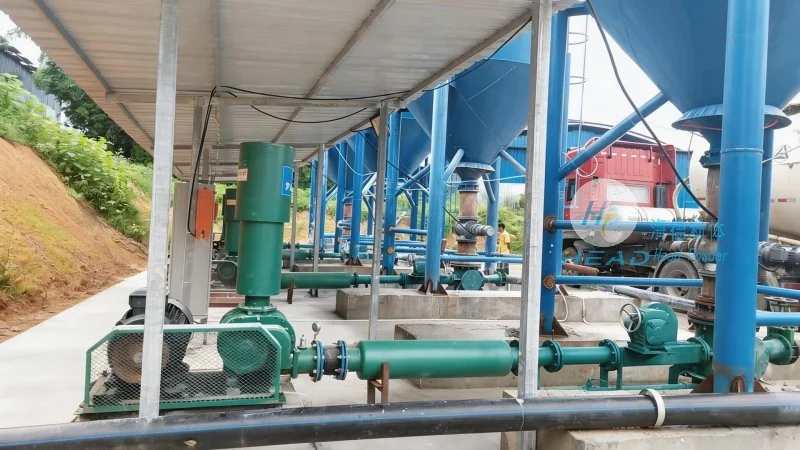
Mixed pressure systems combine elements of both positive and negative pressure approaches. They utilize a combination of a blower and a vacuum pump to create a pressure differential that facilitates material transport. This method is advantageous for transporting materials over longer distances or when dealing with varying material characteristics. The system can adapt to different operational conditions, making it versatile for a wide range of industrial applications. Mixed pressure systems are often employed in bulk material handling where flexibility and efficiency are critical.
Key Considerations for Selecting a Dust Transport Method
When choosing a dust transport method, several factors must be carefully evaluated. The first consideration is the material's physical properties, including particle size distribution, moisture content, and density. These characteristics determine the appropriate conveying velocity and pressure requirements. Second, the distance and layout of the transport system play a crucial role. Longer distances may necessitate more powerful equipment or a different system configuration. Third, operational requirements such as throughput, system reliability, and maintenance needs must be considered. Additionally, environmental regulations and safety standards must be adhered to, as dust transport systems can impact air quality and worker safety.
Conclusion: The Role of Shandong HeadPowder Engineering Co., Ltd.
Shandong HeadPowder Engineering Co., Ltd., or headpowder, specializes in the design, manufacturing, and installation of advanced dust transport systems. With a focus on pneumatic conveying technologies, the company provides tailored solutions that meet the specific needs of various industries. By leveraging their expertise in positive, negative, and mixed pressure systems, headpowder ensures efficient, safe, and environmentally compliant dust transport solutions. Whether for short or long-distance transport, headpowder's systems are engineered to deliver optimal performance and reliability, supporting industrial operations in China and beyond.