

Common Carbon Powder Conveying Methods: An Introduction to Carbon Powder Pneumatic Conveying
Carbon powder, a crucial material in various industrial applications, requires efficient and reliable conveying systems to ensure smooth production processes. The choice of conveying method significantly impacts operational efficiency, material quality, and overall system costs. This article explores common carbon powder conveying methods, with a focus on the advantages and applications of pneumatic conveying, a widely adopted technique in the industry.
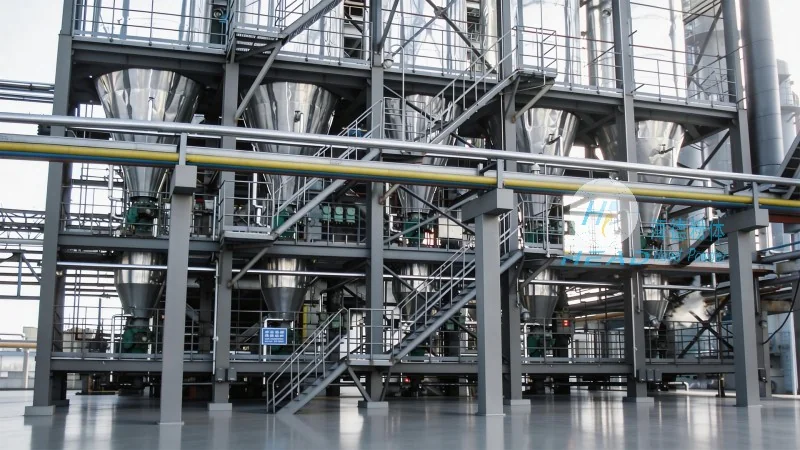
Company Profile: Shandong HeadPowder Engineering Co., Ltd.
Headpowder, as the company's brief is known, is a leading provider of specialized engineering solutions for material handling and processing. With its headquarters located in Shandong, China, HeadPowder has established itself as a trusted partner in the carbon powder industry, offering comprehensive services and advanced technologies tailored to meet diverse client needs. The company's commitment to quality and innovation has positioned it as a key player in the market, delivering high-performance solutions for carbon powder handling and transportation.
Understanding Carbon Powder Conveying
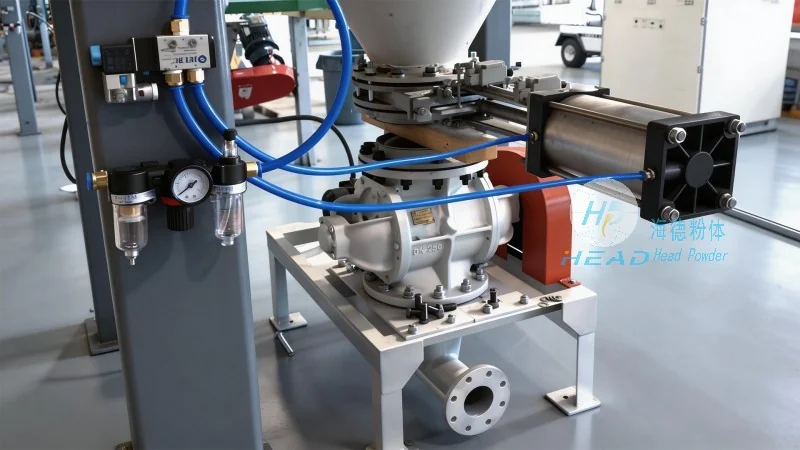
Carbon powder, characterized by its fine particle size and potential for dust generation, demands specialized conveying methods to maintain material integrity and operational safety. Conventional methods like belt conveyors or screw conveyors may not be suitable due to the risk of particle degradation or equipment blockage. Pneumatic conveying, particularly, has emerged as a preferred solution for carbon powder transport, offering several advantages over traditional systems.
Pneumatic Conveying: The Preferred Method for Carbon Powder
Pneumatic conveying utilizes air or gas to transport solid materials through a pipeline system. In the context of carbon powder, this method involves creating a flow of air that carries the powder particles, ensuring efficient and continuous movement. There are two primary types of pneumatic conveying systems: pressure and vacuum. Pressure systems use compressed air to push the material forward, while vacuum systems use suction to draw the powder into the pipeline. Both methods are effective for carbon powder, with the choice depending on the specific application requirements, such as distance, material properties, and system layout.
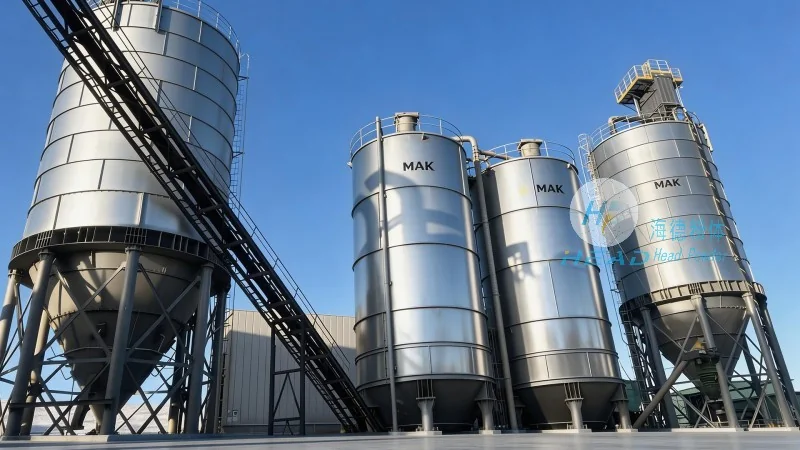
Advantages of Pneumatic Conveying for Carbon Powder
Implementing pneumatic conveying for carbon powder offers numerous benefits that enhance operational performance and reduce costs. One of the key advantages is the ability to handle fine and abrasive powders without causing degradation or contamination. The enclosed pipeline system minimizes dust exposure, improving workplace safety and compliance with environmental regulations. Additionally, pneumatic conveying systems are flexible and can be easily integrated into existing production lines, allowing for seamless material transfer between processes. The system's ability to maintain consistent flow rates and particle size distribution also contributes to improved product quality and process control.
Applications in Industrial Settings
Carbon powder pneumatic conveying is widely used in various industrial sectors, including chemical manufacturing, battery production, and filtration systems. In battery production, for example, carbon powder is a critical component in electrode manufacturing, and efficient conveying ensures consistent material supply for high-quality battery production. In chemical plants, carbon powder is used in the production of carbon black and other chemical products, where precise material handling is essential to maintain product specifications. The versatility of pneumatic conveying makes it suitable for a range of applications, from small-scale laboratory operations to large-scale industrial production lines.
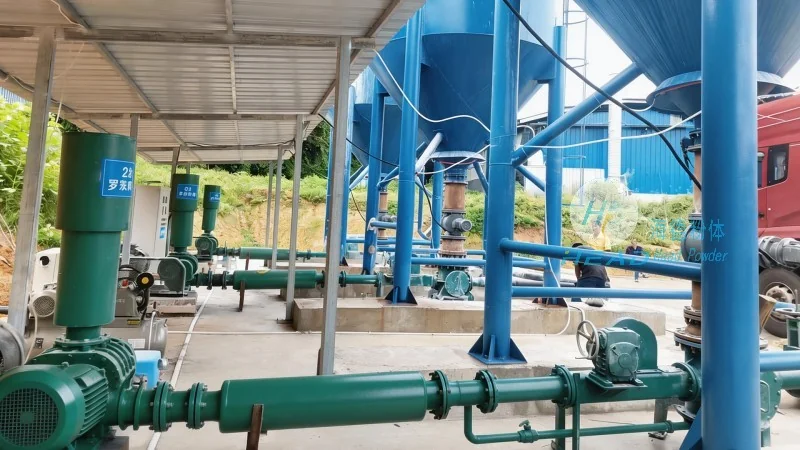
System Components and Design Considerations
The effectiveness of a carbon powder pneumatic conveying system depends on the proper selection and integration of key components. These include the material feed hopper, which ensures a consistent flow of powder into the system; the air compressor or vacuum pump, which provides the necessary pressure or suction; and the pipeline system, which must be designed to handle the specific properties of carbon powder, such as particle size and moisture content. The system's design also considers factors like the conveying distance, elevation changes, and the need for material separation or cleaning. Proper maintenance and regular inspections are crucial to ensure the system operates efficiently and reliably over time.
Conclusion
Carbon powder conveying is a critical aspect of industrial operations, and the choice of conveying method directly impacts overall performance and efficiency. Pneumatic conveying, particularly, offers significant advantages for handling carbon powder, including material integrity preservation, safety enhancements, and operational flexibility. Companies like Shandong HeadPowder Engineering Co., Ltd. specialize in providing tailored pneumatic conveying solutions that meet the unique needs of their clients, ensuring optimal performance and cost-effectiveness in carbon powder handling processes. By understanding the benefits and applications of pneumatic conveying, industrial operators can make informed decisions to improve their production processes and maintain a competitive edge in the market.