

Common Coal and Coke Conveying Methods: An Introduction to Coal and Coke Pneumatic Conveying
When it comes to transporting coal and coke, selecting the right conveying method is crucial for efficiency, cost-effectiveness, and operational safety. Various technologies are available, each with its own advantages and applications. This article provides an overview of common coal and coke conveying methods, with a focus on the benefits and applications of pneumatic conveying systems.
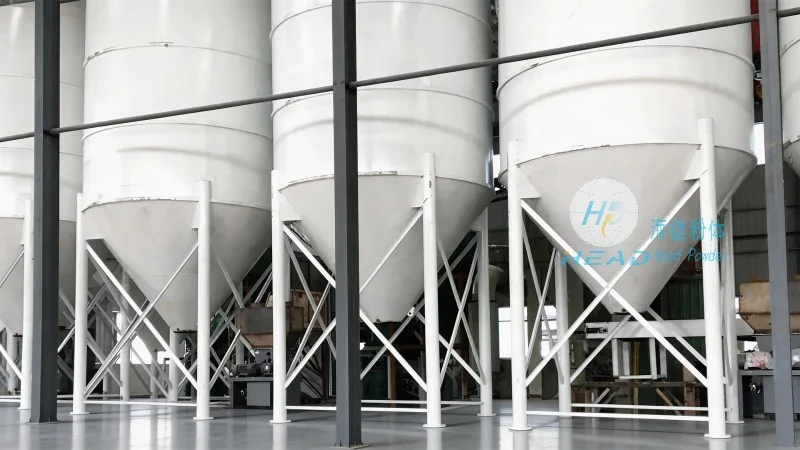
Types of Coal and Coke Conveying Methods
Coal and coke can be transported using several methods, including gravity, mechanical, and pneumatic systems. Each method has distinct characteristics that make it suitable for different industrial scenarios.
Gravity Conveying Systems
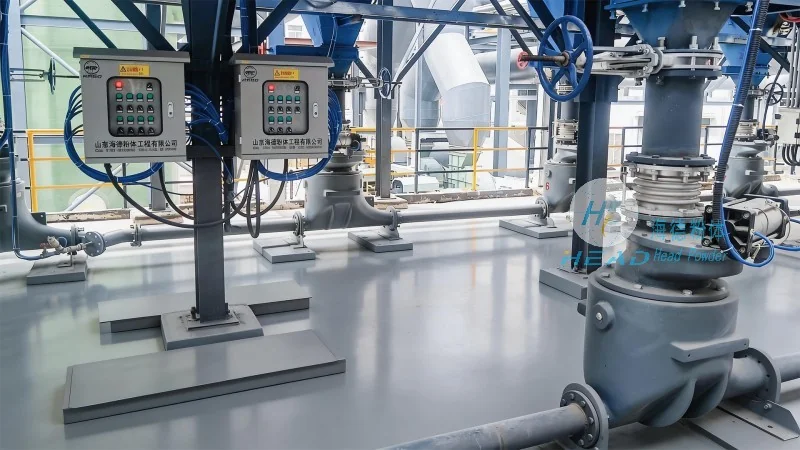
Gravity conveying relies on the natural force of gravity to move materials from a higher elevation to a lower one. This method is typically used for short distances and when the material has a relatively steep angle of repose. It involves the use of chutes or inclined planes to guide the material downward. While simple and low-cost, gravity conveying has limitations in terms of distance and material handling capacity. It is often used in conjunction with other systems for longer transport needs.
Mechanical Conveying Systems
Mechanical conveying systems utilize mechanical components such as belts, buckets, or screw conveyors to move coal and coke. These systems are versatile and can handle a wide range of materials, including bulk and fine powders. Belt conveyors are commonly used for transporting larger pieces of coal or coke over moderate distances. Screw conveyors are effective for handling fine powders and granular materials, providing a continuous and controlled flow. Mechanical systems offer high capacity and reliability but may require more maintenance and have higher initial costs compared to pneumatic systems.
Pneumatic Conveying Systems: The Preferred Solution for Many Industries
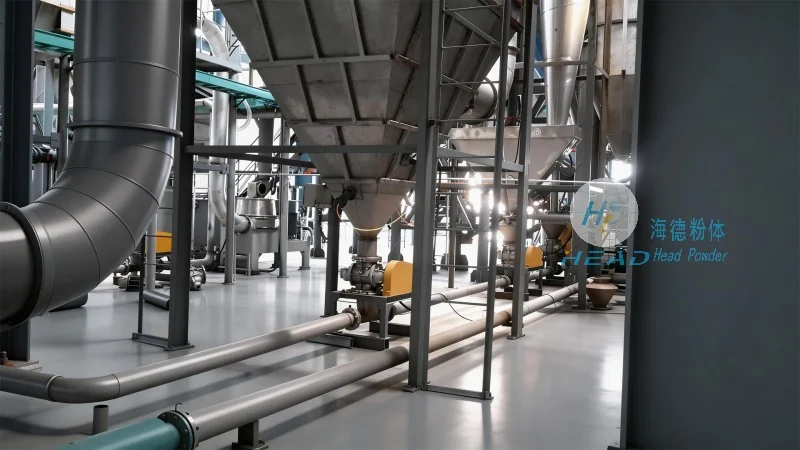
Pneumatic conveying, also known as air conveying, is a method that uses compressed air to transport materials through a pipeline. This technology is widely regarded as the most efficient and flexible solution for coal and coke handling, especially in applications requiring long-distance transport, high capacity, and the ability to handle fine powders without degradation. The system consists of a blower, a hopper, and a pipeline network that transports the material from the source to the destination. The compressed air creates a flow that carries the material through the system, ensuring a smooth and continuous operation.
Advantages of Pneumatic Conveying for Coal and Coke
Pneumatic conveying offers several advantages over other methods. First, it provides a dust-free environment, which is essential for maintaining air quality and worker safety in industrial settings. Second, it allows for the transport of materials over long distances without the need for intermediate storage or transfer points. Third, the system can handle a wide variety of materials, including fine powders and abrasive materials, without causing wear or degradation. Additionally, pneumatic conveying systems are compact and can be easily integrated into existing facilities, reducing the need for extensive infrastructure modifications.
Applications of Pneumatic Conveying in Coal and Coke Handling
The versatility of pneumatic conveying makes it suitable for various applications in the coal and coke industry. For example, it is commonly used in power plants to transport coal from storage silos to boilers. In coke plants, pneumatic systems are used to move coke from the coking process to storage or further processing units. The system can also be used in mining operations to transport coal from the mine to processing facilities. The ability to handle fine powders and abrasive materials makes it ideal for applications where other methods may not be feasible.
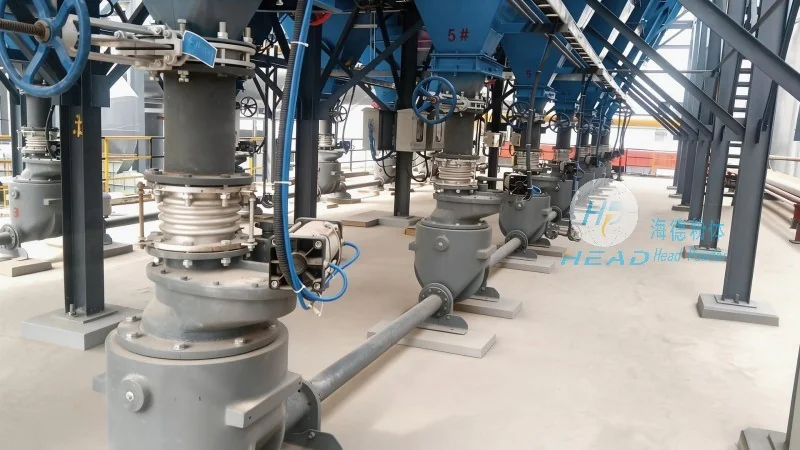
Company Introduction: Shandong HeadPowder Engineering Co., Ltd.
Shandong HeadPowder Engineering Co., Ltd. is a leading provider of coal and coke conveying solutions, specializing in the design, manufacturing, and installation of pneumatic conveying systems. With years of experience in the industry, the company has developed a reputation for delivering high-quality, reliable, and efficient systems that meet the unique needs of its clients. HeadPowder's expertise lies in understanding the specific requirements of each application and providing customized solutions that optimize performance and reduce operational costs.
Conclusion: Choosing the Right Conveying Method for Your Needs
When selecting a coal and coke conveying method, it is essential to consider factors such as distance, material characteristics, and operational requirements. While gravity and mechanical systems have their place, pneumatic conveying often offers the most comprehensive solution for modern industrial applications. By understanding the advantages and applications of each method, businesses can make informed decisions that enhance efficiency, safety, and profitability. For those seeking reliable and efficient coal and coke conveying solutions, Shandong HeadPowder Engineering Co., Ltd. stands ready to provide expert guidance and high-quality systems tailored to their specific needs.