

Common Iron Chip Conveying Methods: An Introduction to Iron Chip Pneumatic Conveying
When it comes to handling iron chips in industrial settings, selecting the right conveying method is crucial for efficiency, safety, and cost-effectiveness. Iron chips, often generated during metalworking processes such as grinding, machining, or stamping, require reliable transportation from one location to another. The choice of conveying system can significantly impact production throughput, material handling costs, and overall operational safety. In this article, we will explore common iron chip conveying methods, with a particular focus on the advantages and applications of pneumatic conveying systems. The information provided is based on the expertise of Shandong HeadPowder Engineering Co., Ltd., a leading provider of material handling solutions in China.
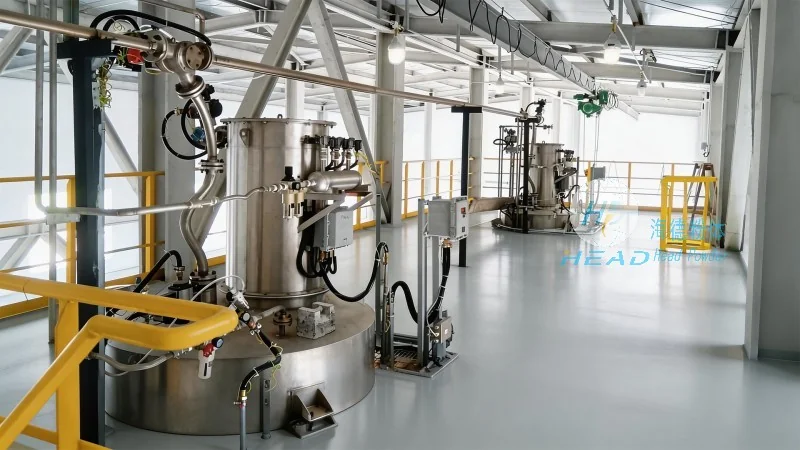
Understanding Iron Chip Conveying: The Basics
Iron chips are small, irregularly shaped metal particles that can pose challenges during transportation due to their abrasive nature and potential for generating dust. Traditional methods of handling these chips often involve manual labor or mechanical systems that may not be suitable for high-volume or hazardous environments. Modern industrial applications demand efficient, automated solutions that can handle the unique properties of iron chips while ensuring compliance with safety regulations. The primary goal of iron chip conveying is to move these materials from the point of generation to the point of processing or disposal without loss, contamination, or damage.
Common Iron Chip Conveying Methods
Several methods are commonly used for transporting iron chips, each with its own set of advantages and limitations. The selection of a specific method depends on factors such as the volume of material, the distance to be covered, the environment, and the budget. The most prevalent methods include:
1. Mechanical Conveyors: Traditional Solutions for Bulk Handling
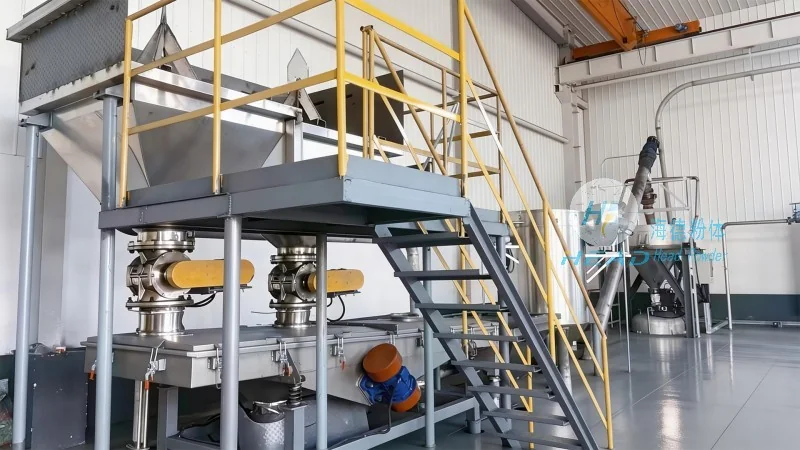
Mechanical conveyors, such as belt conveyors, screw conveyors, and chain conveyors, are widely used for iron chip transportation. These systems rely on mechanical components to move the material. Belt conveyors are particularly effective for horizontal or slightly inclined transport, offering high capacity and durability. Screw conveyors, also known as augers, are suitable for vertical or inclined transport and can handle a wide range of particle sizes. Chain conveyors provide flexibility in handling abrasive materials and are often used in environments where other systems might fail. However, mechanical conveyors have limitations when dealing with fine iron chips or when the material needs to be transported over long distances. They may also require regular maintenance and can be susceptible to clogging or wear from the abrasive nature of iron chips.
2. Hydraulic Conveying: High-Pressure Solutions for Dense Materials
Hydraulic conveying systems use high-pressure fluid to transport iron chips through pipes. This method is particularly effective for dense materials and can handle long distances with minimal energy consumption. The system typically consists of a pump, a high-pressure pipe network, and a control valve. Hydraulic conveying is known for its ability to handle abrasive materials without significant wear on the system components. However, it requires specialized equipment and expertise for installation and maintenance. The initial investment for hydraulic systems can be higher compared to other methods, and the risk of fluid leaks or system failures must be considered.
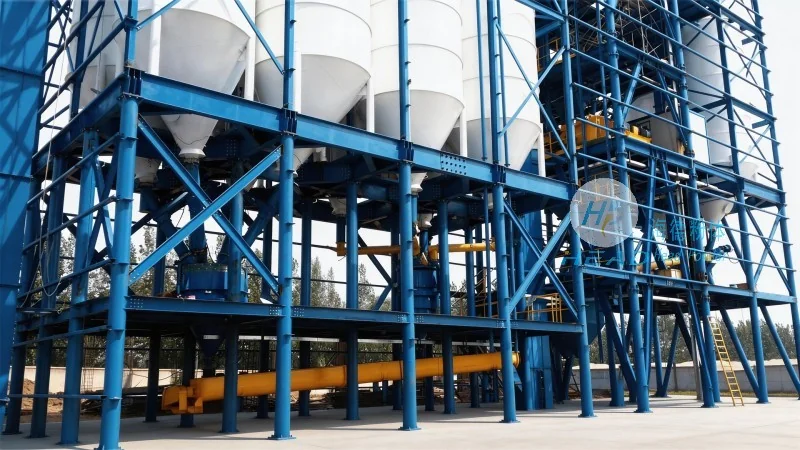
3. Pneumatic Conveying: The Preferred Method for Iron Chip Handling
Pneumatic conveying, or air-powered conveying, is increasingly becoming the preferred method for iron chip transportation. This system uses compressed air to move the material through a pipeline. There are two main types of pneumatic conveying: pressure and vacuum. Pressure systems use positive pressure to push the material through the pipe, while vacuum systems use negative pressure to pull the material. Pneumatic conveying offers several advantages over mechanical or hydraulic systems, including flexibility in layout, minimal maintenance, and the ability to handle fine iron chips without clogging. The system can be easily integrated with other industrial processes, and the enclosed pipeline design helps to contain dust and prevent contamination. Shandong HeadPowder Engineering Co., Ltd. specializes in designing and manufacturing custom pneumatic conveying systems tailored to the specific needs of iron chip handling applications.
Key Benefits of Pneumatic Conveying for Iron Chips
For iron chip applications, pneumatic conveying provides several key benefits that make it the ideal choice for many industries. First, the enclosed pipeline design ensures that dust and iron chips are contained, reducing the risk of environmental contamination and improving workplace safety. This is particularly important in environments where dust is a hazard or where material purity is critical. Second, pneumatic systems can handle a wide range of particle sizes and shapes, including fine iron chips that may be difficult to transport with other methods. The flexibility of the system allows for changes in layout or expansion without major modifications. Third, the energy efficiency of pneumatic conveying is higher compared to mechanical systems, as it can transport material over long distances with less power consumption. Additionally, the system is relatively quiet and can be integrated into existing facilities with minimal disruption.
Design Considerations for Iron Chip Pneumatic Conveying Systems
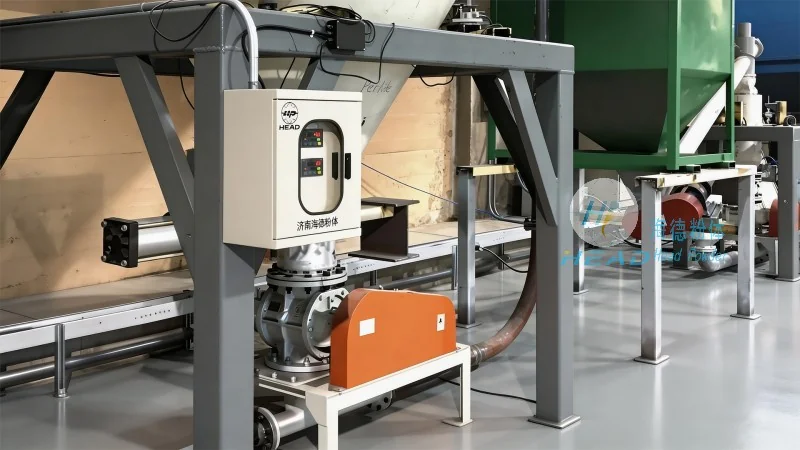
When designing a pneumatic conveying system for iron chips, several factors must be considered to ensure optimal performance and longevity. The first consideration is the material properties of the iron chips, including their size, shape, density, and abrasiveness. These factors will determine the type of pneumatic system (pressure or vacuum) and the necessary air pressure or vacuum level. The second consideration is the distance and layout of the conveying line. The system must be designed to handle the required distance without excessive pressure drop or energy loss. The third consideration is the system's capacity and throughput. The conveyor must be able to handle the expected volume of iron chips without overloading or causing clogging. Shandong HeadPowder Engineering Co., Ltd. employs advanced engineering techniques to design systems that meet these requirements, ensuring reliable and efficient operation.
Installation and Maintenance of Pneumatic Conveying Systems
Proper installation and regular maintenance are critical for the long-term performance of pneumatic conveying systems used for iron chips. Installation should be carried out by experienced professionals who understand the unique challenges of handling abrasive materials. The system components, such as pipes, valves, and filters, must be selected based on the material properties and operating conditions. Regular maintenance includes cleaning the system, replacing worn parts, and checking for leaks or pressure drops. Proper maintenance can extend the life of the system and reduce downtime. Shandong HeadPowder Engineering Co., Ltd. provides comprehensive maintenance services to ensure that their pneumatic conveying systems operate at peak efficiency.
Conclusion: Choosing the Right Iron Chip Conveying Method
In conclusion, the choice of iron chip conveying method depends on the specific requirements of the application. While mechanical and hydraulic systems have their uses, pneumatic conveying offers significant advantages for handling iron chips, especially in terms of flexibility, efficiency, and safety. Shandong HeadPowder Engineering Co., Ltd. is a trusted partner for businesses seeking reliable and efficient iron chip conveying solutions. By understanding the properties of iron chips and the capabilities of different conveying systems, industrial facilities can select the most appropriate method to enhance their operations and ensure compliance with safety standards.