Công ty TNHH Kỹ thuật Headpowder Sơn Đông chuyên vận chuyển khí nén bột và hạt. Nhờ thế mạnh hợp tác doanh nghiệp‑trường‑viện, chúng tôi cung cấp giải pháp vận chuyển kín, không bụi, độ chính xác cao.
PTA (Polyethylene Terephthalate Acid) powder is a critical raw material in the production of polyester fibers and resins. Efficient and reliable powder handling is essential to maintain production efficiency and product quality. Among various conveying methods, pneumatic conveying stands out as a preferred solution for transporting PTA powder due to its ability to handle fine powders with minimal dust generation and high throughput. This article provides an overview of common PTA powder conveying methods, with a focus on pneumatic conveying systems.
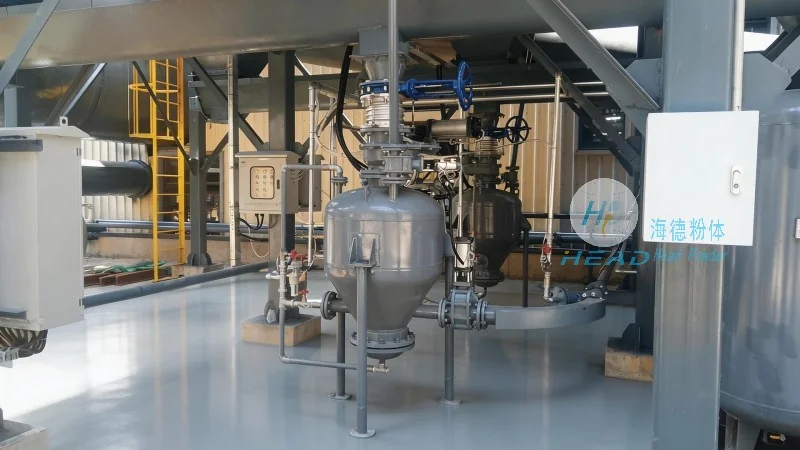
Introduction to PTA Powder Conveying Challenges
PTA powder is characterized by its fine particle size, hygroscopic nature, and potential for static accumulation. These properties make traditional mechanical conveying methods, such as belt conveyors or screw conveyors, prone to issues like caking, blockages, and dust contamination. Pneumatic conveying systems offer a more effective alternative by utilizing air to transport the powder, reducing the risk of material degradation and ensuring a cleaner, more controlled process. The choice of pneumatic conveying system depends on factors like the plant layout, material characteristics, and required throughput, with different configurations tailored to specific operational needs.
Types of PTA Powder Pneumatic Conveying Systems
There are primarily two categories of pneumatic conveying systems used for PTA powder: positive pressure (or pressure) systems and negative pressure (or vacuum) systems. Each type has distinct advantages and is suitable for different applications.
Positive Pressure Pneumatic Conveying Systems
Positive pressure systems operate by blowing air or a gas mixture into the conveying line, creating a pressure higher than the ambient air pressure. This method is ideal for conveying PTA powder over long distances or to multiple destinations. The high pressure ensures that the powder is continuously pushed through the system, minimizing the risk of blockages. Positive pressure systems are particularly effective for dense-phase conveying, where the powder is transported in a semi-solid state, reducing wear on equipment and improving material handling efficiency. Companies like Shandong HeadPowder Engineering Co., Ltd. specialize in designing and manufacturing positive pressure pneumatic conveying systems tailored to the specific requirements of PTA powder processing plants. Their expertise in material flow dynamics and system integration ensures optimal performance and reliability.
Negative Pressure Pneumatic Conveying Systems
Negative pressure systems, also known as vacuum conveying systems, operate by creating a vacuum in the conveying line, drawing the PTA powder from the source. This method is commonly used for short to medium distance conveying, especially when the material needs to be transferred from a lower elevation to a higher one or when the plant layout restricts the use of positive pressure systems. Negative pressure systems are advantageous for handling fine powders as they can maintain a consistent flow rate and minimize dust emissions at the source. However, they may require more maintenance due to the higher wear on components from the continuous suction of air and powder. HeadPowder's negative pressure conveying solutions are engineered to address these challenges, ensuring efficient and safe powder transfer while maintaining compliance with industry standards.
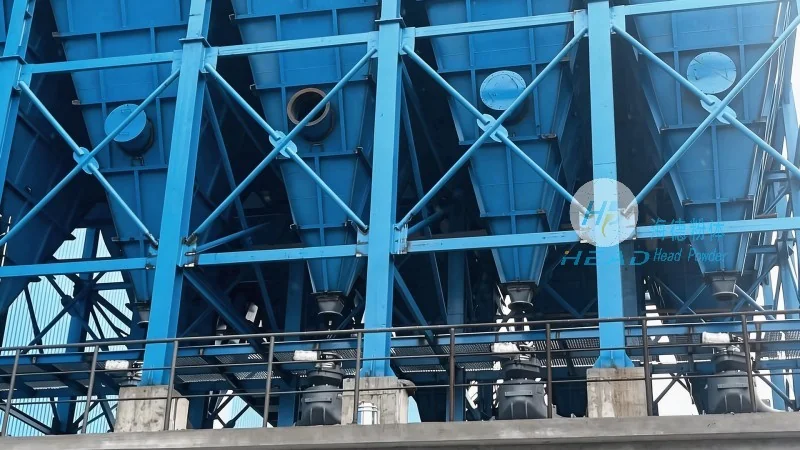
Key Components of PTA Powder Pneumatic Conveying Systems
Regardless of the system type, PTA powder pneumatic conveying systems typically consist of several key components that work in tandem to ensure smooth operation. These include:
Air Compressors and Blowers
For positive pressure systems, air compressors or high-pressure blowers generate the necessary air pressure to move the powder. The choice of compressor type (e.g., rotary lobe, centrifugal) depends on the system's pressure requirements and the volume of air needed. High-efficiency compressors are preferred to minimize energy consumption and operational costs. HeadPowder utilizes advanced compressor technologies to deliver reliable and energy-efficient air supply for their PTA powder conveying systems.
Pneumatic Conveying Hoppers and Feeders
The hopper and feeder are critical components that control the flow of PTA powder into the conveying line. Properly designed hoppers prevent material bridging and ensure a consistent feed rate, which is essential for maintaining system stability. HeadPowder's hoppers are equipped with features like vibrators or air knives to prevent clogging and ensure smooth material discharge. The feeder, often a rotary valve or a screw feeder, regulates the powder flow into the conveying line, matching the system's capacity and preventing overloading.
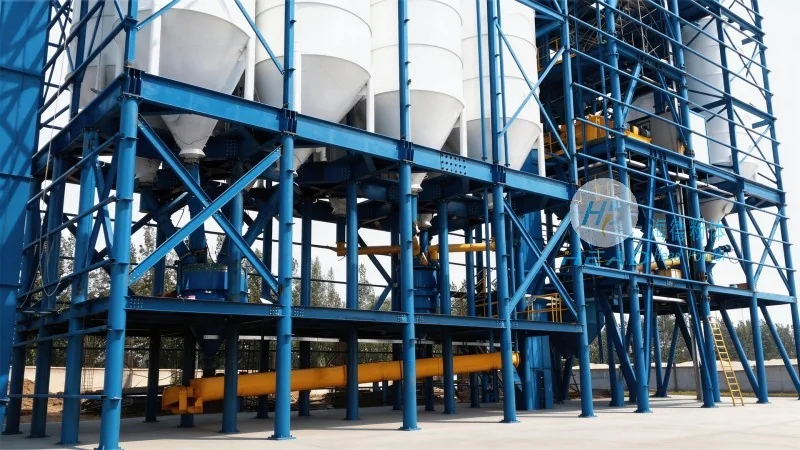
Conveying Lines and Filters
The conveying lines, usually made of stainless steel or other corrosion-resistant materials, transport the PTA powder and air mixture. The design of the lines, including bends and elbows, is optimized to minimize pressure drop and prevent particle separation. Filters are installed at the end of the system to separate the powder from the air, ensuring that the exhaust air is clean and meets environmental regulations. HeadPowder's conveying lines are designed with smooth surfaces and appropriate diameters to reduce friction and maintain the integrity of the PTA powder during transport.
Control Systems and Monitoring
Modern PTA powder pneumatic conveying systems are equipped with advanced control systems that monitor and regulate the operation of the components. Sensors are used to detect pressure, flow rate, and material level, providing real-time data for process optimization. Automated control systems can adjust the air pressure or feed rate based on the system's load, ensuring efficient and safe operation. HeadPowder integrates state-of-the-art control technologies into their systems, enabling remote monitoring and maintenance, which enhances operational efficiency and reduces downtime.
Advantages of PTA Powder Pneumatic Conveying
Pneumatic conveying offers several advantages over traditional mechanical conveying methods for PTA powder, making it the preferred choice in many industrial applications:
Reduced Dust and Contamination
By enclosing the powder in a sealed system, pneumatic conveying minimizes dust generation and exposure to the environment. This not only improves workplace safety but also maintains the purity of the PTA powder, which is crucial for downstream processes. HeadPowder's systems are designed with high-efficiency filters and sealed components to ensure minimal dust leakage.
Improved Material Handling Efficiency
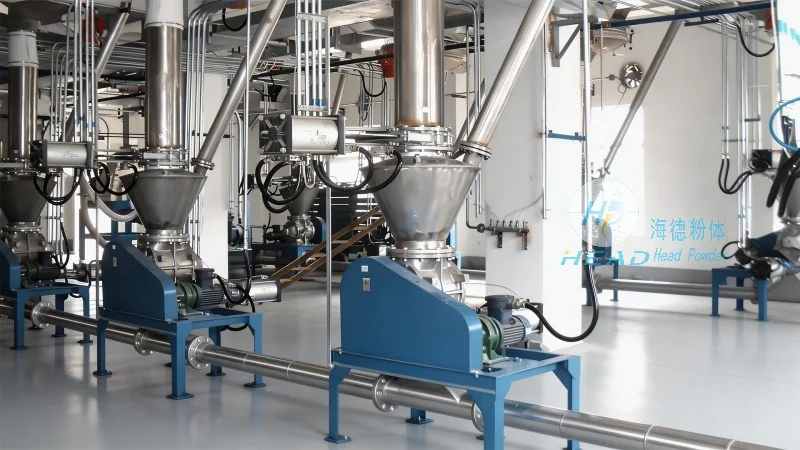
Pneumatic conveying allows for high throughput and the ability to transport PTA powder over long distances without the need for multiple transfer points. This reduces the overall system complexity and improves production efficiency. The dense-phase conveying capability of positive pressure systems ensures that the powder is transported in a semi-solid state, reducing wear on equipment and extending its lifespan.
Flexibility and Scalability
Pneumatic conveying systems can be easily modified or expanded to accommodate changes in production capacity or plant layout. HeadPowder's modular system designs enable customers to start with a basic configuration and scale up as their needs grow, providing a cost-effective solution for long-term operations.
Enhanced Safety and Environmental Compliance
The enclosed nature of pneumatic conveying systems reduces the risk of dust explosions and improves environmental compliance. By capturing and filtering the exhaust air, the systems meet stringent emission standards, ensuring that the operation is safe and sustainable. HeadPowder's systems are designed to comply with international safety and environmental regulations, providing peace of mind to customers.
Conclusion
Pneumatic conveying is a highly effective and reliable method for transporting PTA powder, offering numerous advantages over traditional mechanical systems. The choice of system type—positive pressure or negative pressure—depends on the specific operational requirements, such as distance, elevation changes, and plant layout. Key components like air compressors, hoppers, conveying lines, and control systems work together to ensure efficient and safe powder handling. Companies like Shandong HeadPowder Engineering Co., Ltd. play a crucial role in providing tailored pneumatic conveying solutions that meet the unique needs of PTA powder processing plants, enhancing production efficiency, safety, and environmental compliance. With their expertise in material flow dynamics and system integration, HeadPowder continues to be a trusted partner in the PTA powder handling industry.

 Shandong Headpowder Engineering Co., Ltd.
 156-6277-7102(Quản lý Trương)
  0531-83386006
  Thành phố Tế Nam, Tỉnh Sơn Đông, Trung Quốc
Điện thoại
WeChatTư vấn
Lên đầu