

Common Limestone Conveying Methods: An Overview of Pneumatic Limestone Transport
When it comes to handling and transporting limestone, particularly in industrial applications, selecting the right conveying method is crucial for efficiency, safety, and cost-effectiveness. Limestone, also known as calcium oxide or quicklime, is widely used in various industries such as construction, steel production, and chemical manufacturing. The choice of a suitable transport system directly impacts the overall operational performance of a facility. Among the various options available, pneumatic conveying stands out as a versatile and effective solution for limestone transport. This article explores common limestone conveying methods and provides an in-depth look at the advantages and applications of pneumatic limestone transport.
Understanding Limestone and Its Transport Requirements
Limestone, a sedimentary rock composed primarily of calcium carbonate (CaCO₃), is processed into quicklime (calcium oxide, CaO) through high-temperature calcination. The resulting product is a fine or bulk material that needs to be moved from storage or processing units to other parts of the plant or for off-site use. The physical properties of limestone, such as its particle size, density, and moisture content, influence the selection of the most appropriate conveying method. For instance, fine limestone powders may require specialized equipment to prevent clogging and ensure consistent flow, while bulk limestone can be handled using more conventional systems.
Common Limestone Conveying Methods
Several methods are employed for limestone transport, each with its own set of advantages and limitations. The primary categories include mechanical conveying systems and pneumatic conveying systems. Mechanical systems, such as belt conveyors, screw conveyors, and bucket elevators, are widely used for bulk material handling. These systems are generally reliable and cost-effective for short to medium distances. However, they may face challenges when dealing with fine or dusty limestone, as the material can cause wear and tear on components and lead to dust emissions. In contrast, pneumatic conveying offers a more flexible and efficient solution, especially for transporting limestone in powder or fine granule form.
Pneumatic Limestone Transport: How It Works
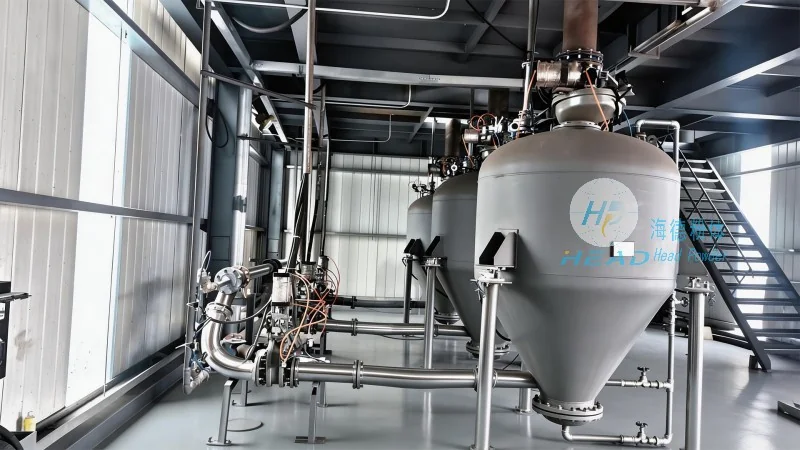
Pneumatic limestone transport utilizes air or gas to move material through a pipeline system. This method can be categorized into two main types: pressure and vacuum systems. In pressure systems, air is blown into the pipeline under pressure, pushing the limestone particles forward. Vacuum systems, on the other hand, create a negative pressure that draws the material into the pipeline. Both systems are effective for limestone transport, but the choice between them depends on factors like the distance to be covered, the volume of material, and the need for dust control.
Advantages of Pneumatic Limestone Transport
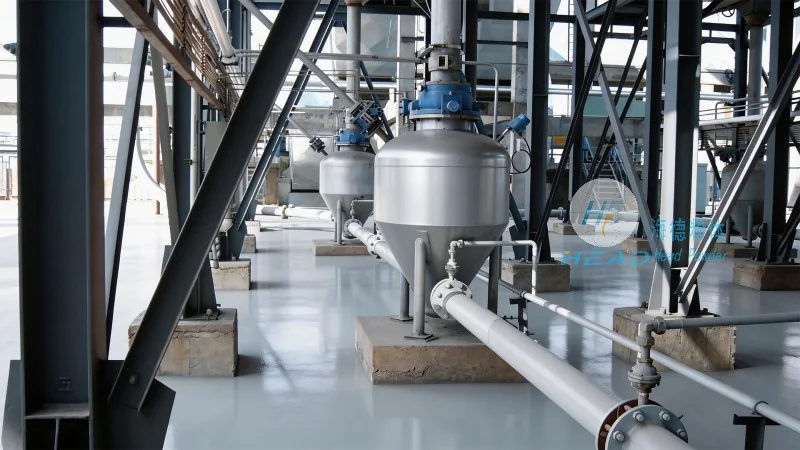
One of the key benefits of pneumatic limestone transport is its ability to handle fine and dusty materials without the need for additional equipment like hoppers or chutes. The enclosed pipeline system prevents dust from escaping into the environment, enhancing workplace safety and compliance with environmental regulations. Additionally, pneumatic systems can transport limestone over longer distances with minimal loss of material, making them ideal for large-scale industrial operations. The flexibility of pneumatic conveying also allows for easy integration with existing plant layouts, reducing the need for major infrastructure changes.
Applications of Pneumatic Limestone Transport
Pneumatic limestone transport is widely used in various industrial applications. In the steel industry, limestone is used as a flux in blast furnaces to remove impurities from iron ore. The ability to transport limestone efficiently to the furnace is critical for maintaining production rates and quality. In the chemical industry, limestone is processed into calcium hydroxide and other derivatives, and pneumatic systems ensure a consistent supply of raw material to the processing units. Additionally, in construction, limestone is used in cement production, and pneumatic conveying helps in moving the material from storage to the cement grinding mills.
Key Considerations for Implementing Pneumatic Limestone Transport
While pneumatic limestone transport offers numerous benefits, several factors must be considered when implementing such a system. The first is the material's characteristics, including particle size distribution, moisture content, and abrasiveness. These factors affect the selection of the pipeline material and the type of air compressor required. For example, abrasive limestone particles may require special wear-resistant liners in the pipeline to extend the system's lifespan. Another critical consideration is the system's capacity and the required air flow rate. Proper sizing of the air compressor and pipeline diameter is essential to ensure efficient material transport without excessive energy consumption.
Case Study: Shandong HeadPowder Engineering Co., Ltd.
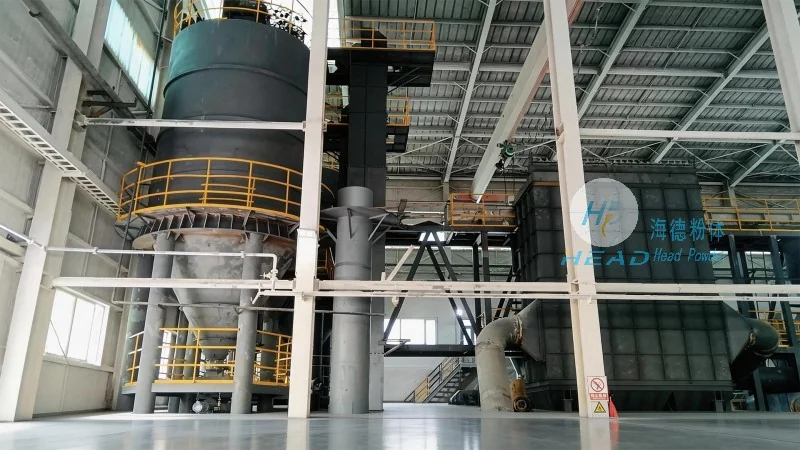
Shandong HeadPowder Engineering Co., Ltd., a leading provider of material handling solutions, specializes in designing and manufacturing pneumatic conveying systems for limestone and other bulk materials. With a strong presence in China, particularly in Shandong province, the company has extensive experience in addressing the unique challenges of limestone transport in various industrial settings. Their expertise lies in customizing pneumatic systems to meet the specific requirements of clients, ensuring optimal performance and reliability. By leveraging advanced technology and engineering knowledge, Shandong HeadPowder Engineering Co., Ltd. helps industries improve their operational efficiency and reduce costs associated with material handling.
Conclusion
In conclusion, the choice of limestone conveying method significantly impacts industrial operations. While mechanical systems remain a viable option for certain applications, pneumatic limestone transport offers superior flexibility, efficiency, and environmental benefits. Understanding the properties of limestone and the capabilities of different transport systems is essential for selecting the most appropriate solution. For industries seeking reliable and effective limestone transport solutions, pneumatic systems, especially those designed by experienced companies like Shandong HeadPowder Engineering Co., Ltd., provide a robust and sustainable option. By investing in the right conveying technology, businesses can enhance their productivity, ensure workplace safety, and comply with environmental regulations, ultimately contributing to long-term success in their respective fields.