

Common Rice Husk Ash Conveying Methods: An Introduction to Pneumatic Conveying for Rice Husk Ash
Rice husk ash (RHA) is a byproduct generated during the processing of rice, widely used in construction, agriculture, and other industrial applications. Efficient and reliable conveying methods are crucial for handling this material, as it often poses challenges due to its lightweight, powdery nature and potential for dust generation. This article explores common conveying methods for rice husk ash, with a focus on pneumatic conveying as a key solution.
About HeadPowder: Your Trusted Partner in Material Handling

HeadPowder, a leading provider of engineering solutions for bulk material handling, specializes in designing and manufacturing efficient conveying systems tailored to the unique needs of rice husk ash. Based in Shandong, China, our company combines decades of industry experience with advanced technology to deliver high-performance solutions that enhance productivity and safety in material transport operations.
Common Conveying Methods for Rice Husk Ash
When it comes to transporting rice husk ash, several methods are available, each with its own advantages and applications. The choice of method depends on factors such as the distance to be covered, the volume of material, the need for dust control, and the overall operational environment. Among the most common approaches are mechanical conveying systems and pneumatic conveying, with the latter being particularly effective for handling fine, powdery materials like rice husk ash.
Pneumatic Conveying: A Detailed Overview
Pneumatic conveying, also known as air conveying, is a method that uses compressed air or vacuum to transport bulk materials through a pipeline. This technology is highly suitable for rice husk ash due to its ability to handle fine powders without the need for mechanical components that might cause blockages or wear. There are two primary types of pneumatic conveying systems: positive pressure and negative pressure.
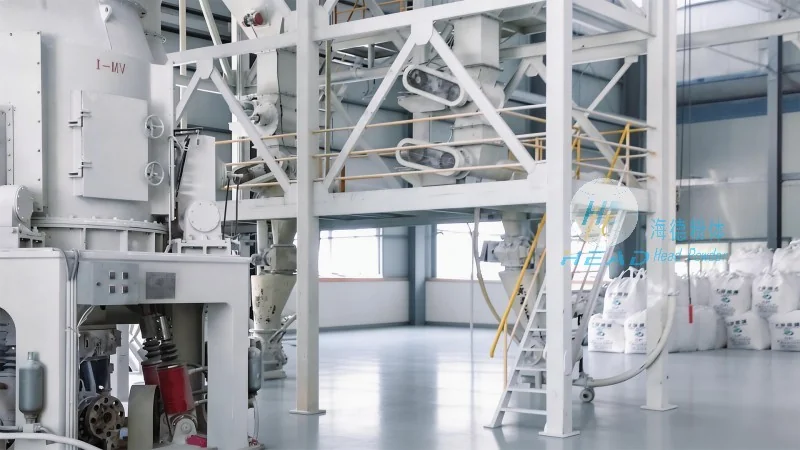
Positive pressure systems operate by blowing air into the pipeline, pushing the material forward. This method is ideal for short to medium distances and is commonly used in applications where the material is to be conveyed from a central storage to processing units. The system typically includes a blower, a hopper for material storage, and a pipeline network that transports the ash to the destination. Positive pressure conveying ensures consistent flow and can handle high volumes of material efficiently.
Negative pressure systems, on the other hand, use a vacuum to draw material into the pipeline. This approach is often preferred for longer distances or when the material needs to be transported from multiple sources to a central collection point. The system includes a vacuum pump, a collection hopper, and a pipeline that pulls the material into the system. Negative pressure conveying is effective for handling dust and can minimize the risk of material spillage, making it suitable for applications where environmental control is critical.
Advantages of Pneumatic Conveying for Rice Husk Ash
Compared to traditional mechanical conveying methods, pneumatic conveying offers several advantages that make it the preferred choice for rice husk ash transport. Firstly, it eliminates the need for moving parts such as belts or buckets, reducing maintenance costs and increasing system reliability. This is particularly important for handling abrasive materials like rice husk ash, which can cause significant wear on mechanical components over time.
Secondly, pneumatic systems provide excellent dust control. By enclosing the material in a pipeline, the system prevents dust from escaping into the environment, reducing health hazards for workers and minimizing environmental impact. This is a critical consideration in industries where air quality regulations are strict.

Thirdly, pneumatic conveying allows for flexible system design. The pipeline can be easily reconfigured or extended to accommodate changes in production processes or facility layout. This flexibility makes it easier to adapt to evolving operational needs without the need for major system overhauls.
HeadPowder's Pneumatic Conveying Solutions for Rice Husk Ash
At HeadPowder, we understand the unique challenges associated with conveying rice husk ash. Our engineers work closely with clients to design customized pneumatic conveying systems that meet their specific requirements. Whether it's a positive pressure system for short-distance transport or a negative pressure system for long-distance handling, our solutions are engineered to deliver optimal performance and efficiency.
Our systems are equipped with advanced control technologies that ensure smooth operation and minimize downtime. We use high-quality materials, such as stainless steel and special alloys, to resist corrosion and wear from the abrasive nature of rice husk ash. Additionally, our systems are designed with safety features to protect operators and prevent material spills, ensuring compliance with industry standards and regulations.
Conclusion
Efficient conveying of rice husk ash is essential for maximizing productivity and ensuring safe operation in industrial processes. Pneumatic conveying, with its ability to handle fine powders and provide excellent dust control, is a superior choice compared to traditional mechanical methods. HeadPowder, as a leading provider of material handling solutions, offers reliable and customized pneumatic conveying systems that address the unique needs of rice husk ash transport. By choosing our solutions, businesses can enhance their operational efficiency, reduce maintenance costs, and ensure compliance with environmental regulations.