

Common Micropowder Conveying Methods: An Introduction to Micropowder Pneumatic Conveying
When it comes to handling micropowders, selecting the right conveying method is crucial for maintaining product quality, ensuring operational efficiency, and minimizing material loss. Micropowders, such as those used in pharmaceuticals, cosmetics, and specialty chemicals, require specialized equipment to prevent agglomeration, contamination, and degradation during transport. This article explores common micropowder conveying methods, with a focus on pneumatic conveying systems, and highlights the expertise of Shandong HeadPowder Engineering Co., Ltd. (HeadPowder) in providing tailored solutions for these challenging applications.
Understanding Micropowder Characteristics and Conveying Challenges
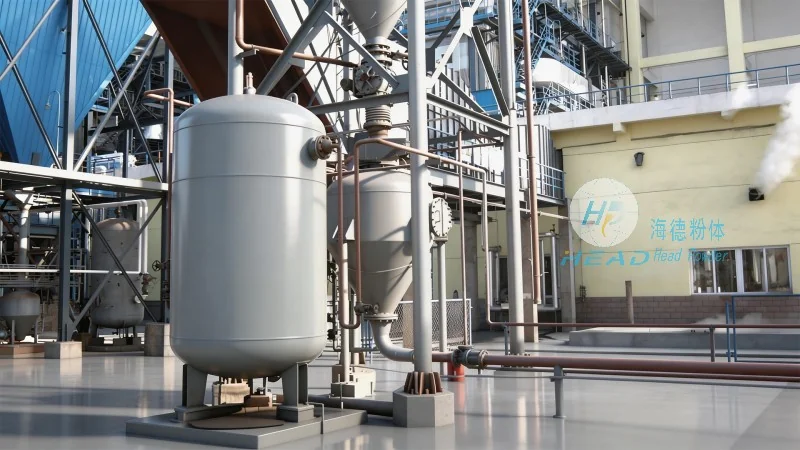
Before delving into specific conveying methods, it's essential to understand the unique properties of micropowders that influence transport. Micropowders typically have particle sizes ranging from 1 to 100 micrometers, which makes them prone to static charge buildup, dust explosion risks, and caking. Additionally, their light weight and fine nature can lead to high air resistance and the need for gentle handling. These characteristics necessitate conveying systems that offer low shear, low pressure, and controlled flow to preserve product integrity. HeadPowder, based in Shandong, China, specializes in designing and manufacturing custom pneumatic conveying systems that address these challenges effectively.
Pneumatic Conveying: The Preferred Method for Micropowders
Pneumatic conveying, which uses air or other gases to transport powders, is widely regarded as the most suitable method for micropowders due to its ability to handle fine particles without the need for mechanical components that could cause contamination or damage. There are two main types of pneumatic conveying systems: pressure and vacuum. Pressure systems, where the conveying air is under pressure, are ideal for long-distance transport and high-volume applications. Vacuum systems, on the other hand, are better suited for short distances and when the material needs to be drawn from a source that is difficult to access. HeadPowder offers both pressure and vacuum pneumatic conveying solutions, customizing the system design based on the specific requirements of the micropowder, such as particle size distribution, moisture content, and flowability.
Key Components of Micropowder Pneumatic Conveying Systems
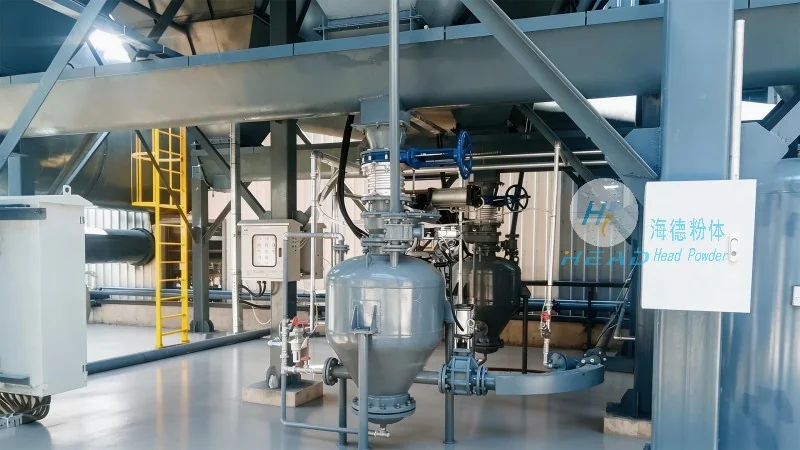
A typical micropowder pneumatic conveying system consists of several key components that work together to ensure efficient and safe transport. These include the hopper or feeder, which provides a controlled feed of the powder; the conveying line, which transports the material; the air compressor or vacuum pump, which supplies the necessary air or vacuum; and the receiver or discharge unit, which collects the material at the destination. HeadPowder's engineers carefully select and integrate these components to optimize performance. For example, the use of flexible hoses or rigid pipes depends on the distance and the need for flexibility. The system also includes filters and cyclones to separate the powder from the air, ensuring that the material is returned to the process and the air is safely vented. HeadPowder's expertise in material science and process engineering allows them to design systems that minimize dust emissions and comply with safety regulations.
Advantages of Micropowder Pneumatic Conveying
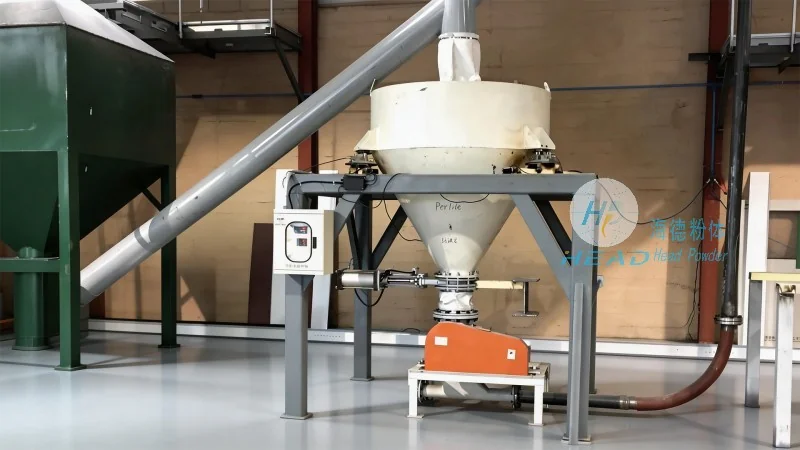
Compared to other conveying methods, such as mechanical screw conveyors or belt conveyors, pneumatic conveying offers several advantages for micropowders. First, it provides a closed system, which prevents contamination from external sources and reduces the risk of dust exposure for operators. Second, it allows for gentle handling of the material, minimizing particle breakage and preserving the product's quality. Third, it can handle a wide range of particle sizes and flow rates, making it versatile for different applications. Fourth, it enables long-distance transport without the need for intermediate storage or transfer points. HeadPowder's pneumatic conveying systems are designed to leverage these advantages, ensuring that clients can achieve high efficiency and product integrity in their operations.
Customization and Integration by HeadPowder
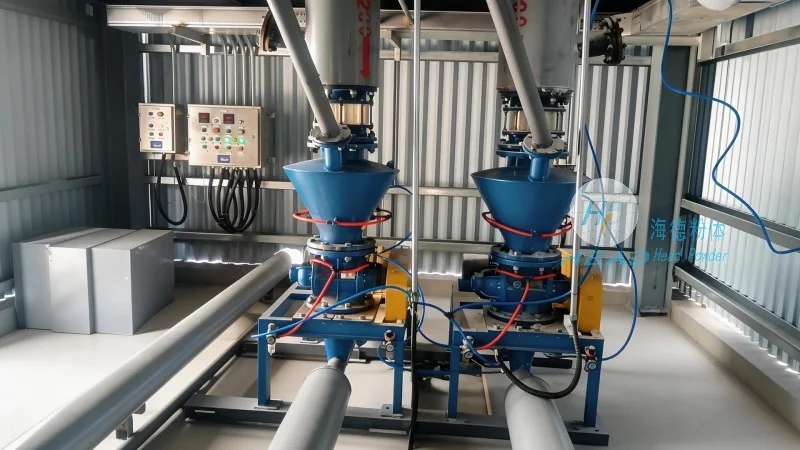
HeadPowder understands that each micropowder application has unique requirements, and therefore, they offer customized pneumatic conveying solutions. The company works closely with clients to assess their specific needs, including the type of micropowder, the desired conveying distance, the required flow rate, and any safety or regulatory constraints. Based on this assessment, HeadPowder's engineers design a system that meets all the specifications. The company also provides installation, commissioning, and maintenance services to ensure that the system operates at peak performance. HeadPowder's commitment to quality and customer satisfaction has made them a trusted partner for many industries that rely on micropowder handling.
Conclusion
In conclusion, pneumatic conveying is the most effective method for transporting micropowders, and companies like Shandong HeadPowder Engineering Co., Ltd. play a vital role in providing the specialized equipment and expertise needed to achieve efficient and safe transport. By understanding the unique challenges of micropowders and designing customized pneumatic conveying systems, HeadPowder helps clients maintain product quality, improve operational efficiency, and comply with safety regulations. For businesses dealing with micropowders, investing in a well-designed pneumatic conveying system is essential to ensure long-term success and profitability.