

Common Graphite Powder Conveying Methods: An Introduction to Graphite Powder Pneumatic Conveying
Graphite powder, widely utilized in industrial applications such as lubricants, refractory materials, and battery electrodes, often requires efficient and reliable conveying methods to ensure smooth production processes. The selection of a suitable conveying method significantly impacts operational efficiency, material integrity, and overall system performance. This article explores common graphite powder conveying methods, with a particular focus on pneumatic conveying, a popular and effective approach for handling fine powders like graphite.
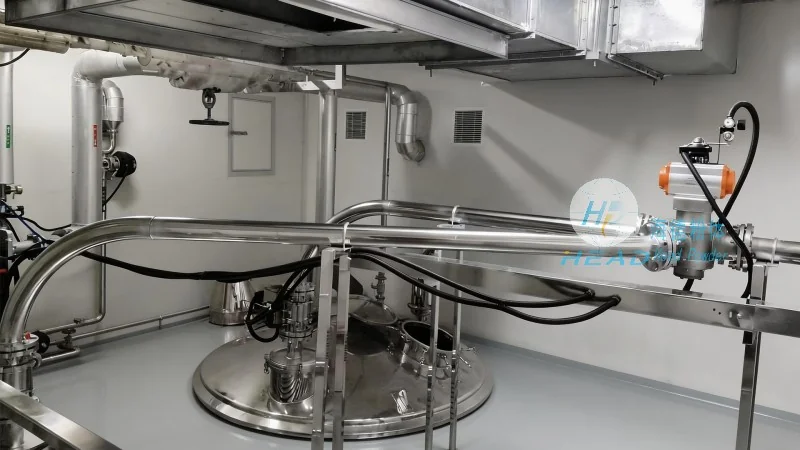
Understanding Graphite Powder Properties and Conveying Challenges
Before discussing specific conveying methods, it is essential to understand the unique properties of graphite powder that influence handling and transportation. Graphite is a soft, slippery material with excellent lubricating properties, yet it can also be prone to agglomeration and dust generation. These characteristics make traditional bulk material handling methods, such as belt conveyors or screw conveyors, less suitable due to the risk of material degradation and system blockages. Therefore, specialized conveying systems are often employed to maintain the quality and integrity of graphite powder during transport.
Common Graphite Powder Conveying Methods
Several methods are commonly used for transporting graphite powder, each with its own advantages and limitations. The primary options include mechanical conveying systems, pneumatic conveying systems, and hybrid systems that combine both approaches. Mechanical methods, like belt conveyors and screw conveyors, are widely used for bulk materials but may not be ideal for fine powders due to the risk of dust exposure and material degradation. In contrast, pneumatic conveying offers a more controlled environment for handling delicate powders, making it a preferred choice for many industries.
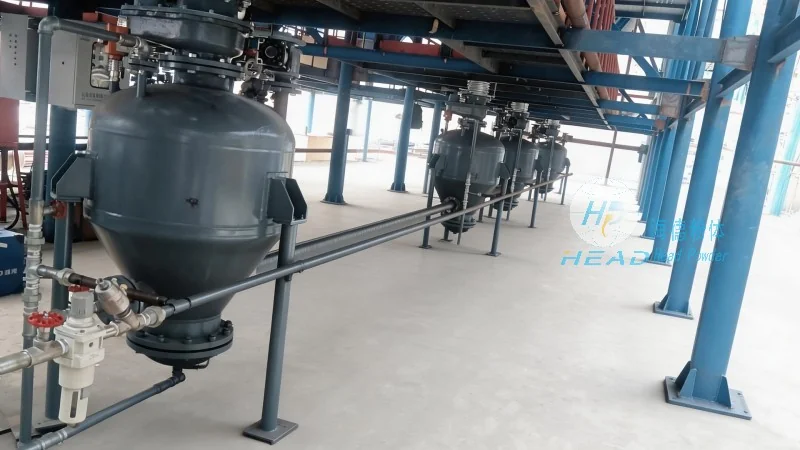
Pneumatic Conveying: A Detailed Overview
Pneumatic conveying, also known as air conveying, is a method that uses pressurized air or vacuum to transport solid particles, including graphite powder, through a pipeline. This technique is particularly effective for fine powders because it minimizes direct contact between the material and equipment, reducing the risk of contamination and degradation. There are two main types of pneumatic conveying systems: pressure and vacuum. Pressure systems utilize compressed air to push the material through the pipeline, while vacuum systems employ a vacuum to draw the material into the system. Both methods can be customized to suit specific application requirements, such as the distance, volume, and material characteristics.
Key Advantages of Pneumatic Conveying for Graphite Powder
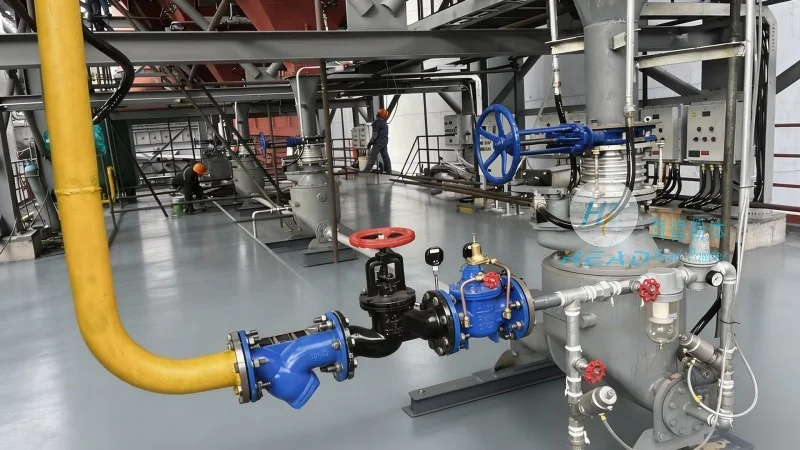
Several key advantages make pneumatic conveying an attractive option for graphite powder handling. First, it provides a closed system, which helps contain dust and prevent environmental contamination. This is crucial for maintaining workplace safety and compliance with environmental regulations. Second, pneumatic systems can handle fine powders without causing agglomeration or degradation, preserving the material's quality for downstream processes. Third, these systems offer high flexibility, allowing for changes in conveying distance or direction without significant modifications to the infrastructure. Additionally, pneumatic conveying can be integrated with other processing equipment, such as mixers or classifiers, to create a seamless production line.
Considerations for Implementing Pneumatic Conveying Systems
While pneumatic conveying offers numerous benefits, several factors must be considered when implementing such a system for graphite powder. The first consideration is the material's properties, including particle size, density, and moisture content, as these can affect the system's performance and efficiency. Proper system design, including the selection of appropriate pipeline diameters, air velocities, and pressure levels, is critical to ensure smooth operation and prevent blockages. Additionally, the system must be equipped with effective filtration and dust collection mechanisms to maintain air quality and comply with environmental standards. Regular maintenance and monitoring are also essential to ensure the system operates at optimal performance and to address any issues promptly.
Conclusion
In conclusion, the choice of graphite powder conveying method depends on various factors, including the material's properties, production requirements, and operational constraints. Pneumatic conveying, with its ability to handle fine powders efficiently and safely, is a popular and effective solution for many applications. By understanding the advantages and considerations of different conveying methods, manufacturers can select the most suitable system to enhance operational efficiency and maintain product quality. As a leading provider in the field, Shandong HeadPowder Engineering Co., Ltd. specializes in designing and manufacturing customized conveying systems tailored to meet the specific needs of clients, ensuring reliable and efficient transportation of graphite powder for various industrial applications.