

Common Sulfur Powder Conveying Methods: An Introduction to Sulfur Powder Pneumatic Conveying
When it comes to transporting sulfur powder, selecting the right conveying method is crucial for efficiency, safety, and cost-effectiveness. Various options are available, each with its own advantages and applications. This article explores common sulfur powder conveying methods, with a focus on the benefits and applications of pneumatic conveying systems.
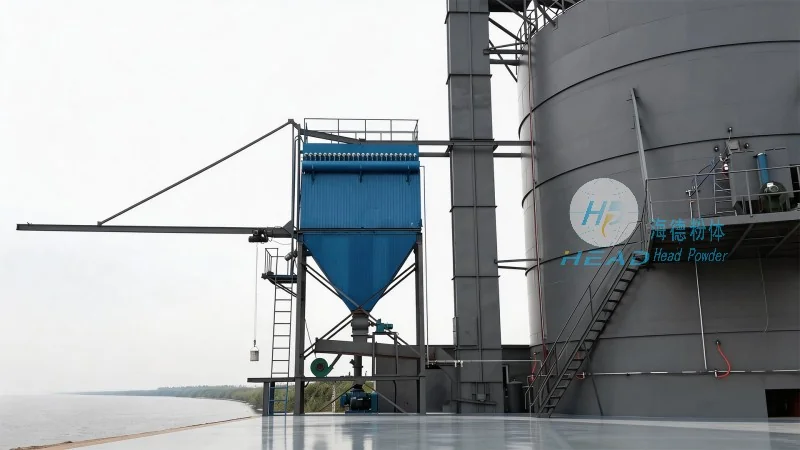
Understanding Sulfur Powder Conveying: Key Considerations
Sulfur powder, a critical raw material in industries such as chemical manufacturing, mining, and agriculture, requires specialized handling due to its fine particle size and potential for dust explosion risks. Conveying systems must be designed to minimize dust generation, prevent material degradation, and ensure safe operation. The choice of conveying method depends on factors like material properties, distance, volume, and environmental regulations.
Common Sulfur Powder Conveying Methods
Several methods are widely used for sulfur powder transport, including mechanical conveyors, pneumatic systems, and hydraulic systems. Each method has distinct characteristics that make it suitable for different scenarios.
1. Mechanical Conveyors: Traditional and Reliable
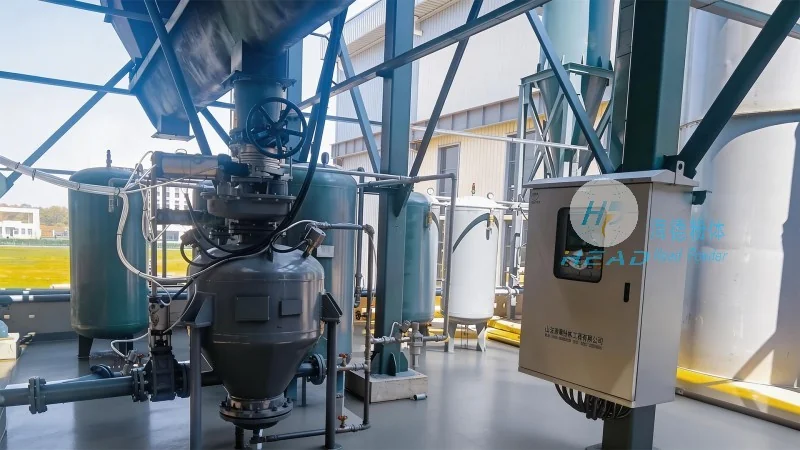
Mechanical conveyors, such as belt conveyors, screw conveyors, and bucket elevators, are commonly used for bulk material handling. These systems rely on mechanical components to move sulfur powder from one location to another. Belt conveyors are ideal for horizontal or slight incline transport, while screw conveyors are suitable for vertical or inclined applications. However, mechanical conveyors may generate significant dust and are less effective for fine powders, as the material can stick to the conveyor surfaces or cause blockages.
2. Pneumatic Conveying: The Preferred Solution for Sulfur Powder
Pneumatic conveying systems use air or other gases to transport sulfur powder through a pipeline. This method offers several advantages over mechanical conveyors, including reduced dust exposure, lower maintenance costs, and the ability to handle fine powders efficiently. Pneumatic systems can be classified into two main types: pressure and vacuum.
2.1 Pressure Pneumatic Conveying
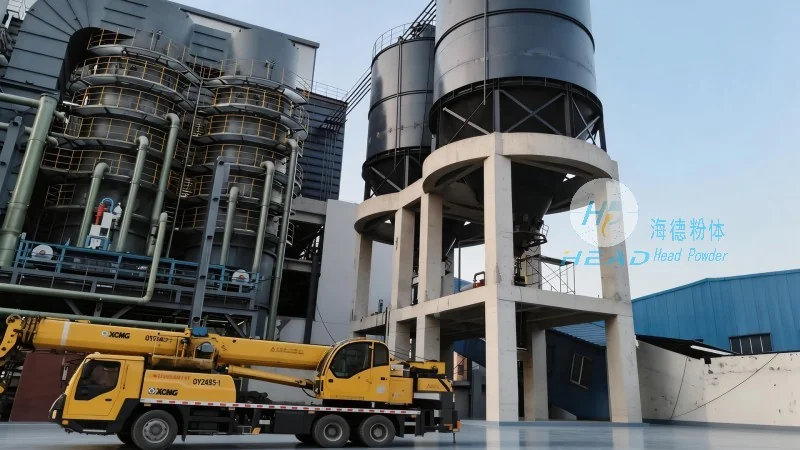
In pressure systems, air is compressed and introduced at the material inlet, creating a positive pressure that pushes the powder through the pipeline. This method is suitable for short to medium distances and can handle high volumes of material. The system typically includes a blower, a material feed hopper, and a receiver at the destination. Pressure pneumatic conveying is effective for transporting sulfur powder from storage silos to processing units or for moving material between different parts of a facility.
2.2 Vacuum Pneumatic Conveying
Vacuum systems use a vacuum pump to create a negative pressure that draws the powder into the pipeline. This method is ideal for long-distance transport or when the material needs to be collected from multiple points. Vacuum systems are often used for conveying sulfur powder from a central storage area to various processing locations, as they can handle longer distances without significant pressure drops. The system includes a vacuum pump, a material collection hopper, and a receiver at the end of the line.
3. Hydraulic Conveying: Less Common but Effective
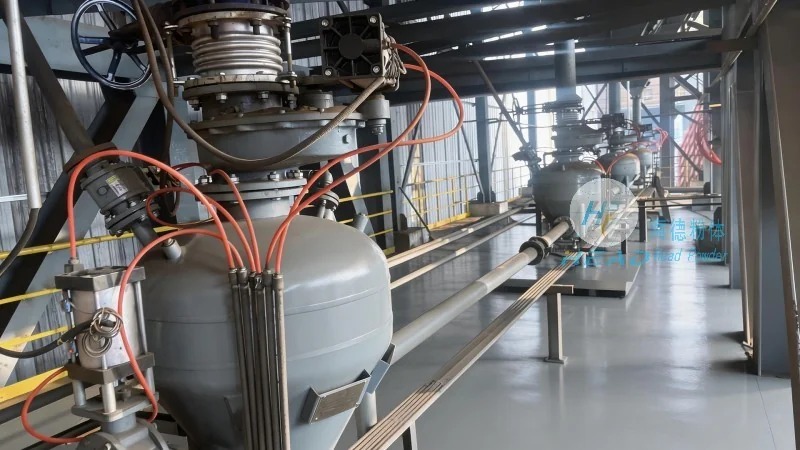
Hydraulic conveying uses water or other liquids to transport sulfur powder. The powder is mixed with the liquid and pumped through a pipeline. This method is suitable for high-volume, long-distance transport but requires additional equipment for liquid handling and separation. Hydraulic systems are less common for sulfur powder due to the need for specialized equipment and the potential for corrosion or material degradation.
Choosing the Right Sulfur Powder Conveying System
The selection of a sulfur powder conveying system depends on several factors, including the material's properties, the distance to be covered, the required flow rate, and the environmental regulations. For most applications, pneumatic conveying is the preferred choice due to its efficiency and safety features. Mechanical conveyors may be suitable for short distances or when the material is less fine, but they may not be effective for handling sulfur powder in its fine form.
About HeadPowder: Your Trusted Sulfur Powder Conveying Partner
Shandong HeadPowder Engineering Co., Ltd., operating under the brand name HeadPowder, is a leading manufacturer and supplier of advanced conveying systems for sulfur powder and other fine materials. With a focus on innovation and customer satisfaction, HeadPowder provides customized solutions tailored to the specific needs of each client. The company's headquarters is located in Shandong, China, where it has established a strong reputation for quality and reliability.