

Common Potassium Carbonate Conveying Methods: An Introduction to Potassium Carbonate Pneumatic Conve
Potassium carbonate, a widely used chemical in various industrial applications, requires efficient and reliable conveying methods to ensure smooth operation in processing plants. The choice of conveying method depends on several factors, including the material's properties, plant layout, and operational requirements. Among the common methods, pneumatic conveying stands out as a preferred option for many industries due to its advantages in handling fine powders like potassium carbonate.
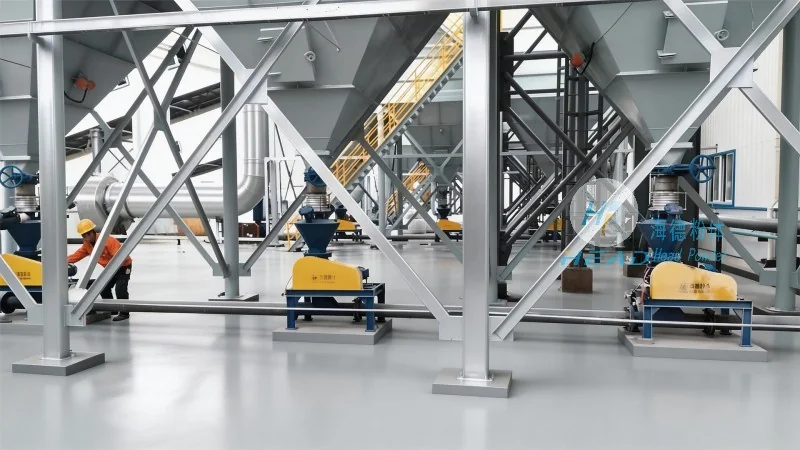
Introduction to Potassium Carbonate Conveying Methods
Next, we will explore the key aspects of pneumatic conveying for potassium carbonate, including its working principles, types, and practical applications. This section aims to provide a comprehensive overview for professionals in the field who are seeking to optimize their material handling processes.
Pneumatic Conveying Working Principles
Pneumatic conveying, also known as air conveying, utilizes compressed air to transport bulk materials through a pipeline system. In the case of potassium carbonate, which is often in a fine powder form, this method effectively moves the material from storage to processing units without the need for mechanical components like belts or buckets. The process typically involves a hopper, a venturi or a rotary airlock, and a receiver, all connected by a network of pipes.
Types of Pneumatic Conveying Systems
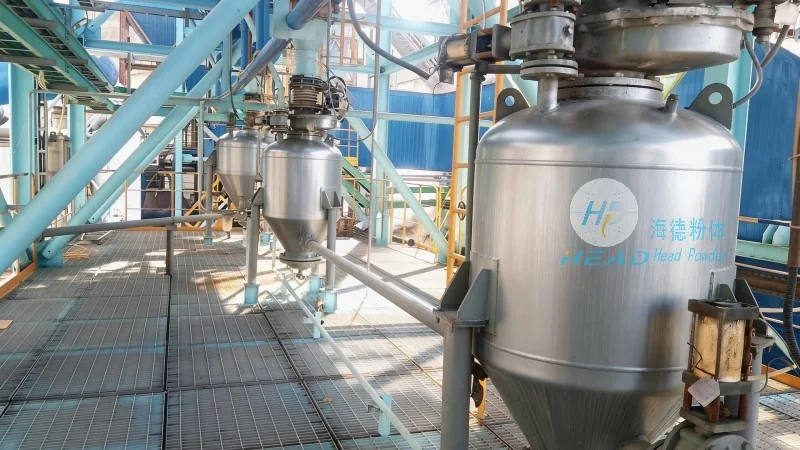
There are two main types of pneumatic conveying systems: dilute-phase and dense-phase. Dilute-phase systems use high-velocity air to transport material in a dispersed state, making them suitable for long-distance and high-capacity applications. Dense-phase systems, on the other hand, use lower air velocities and higher material concentrations, which is ideal for handling sensitive materials or materials that are prone to degradation during transport.
Application in Potassium Carbonate Handling
For potassium carbonate, the dilute-phase system is often preferred due to its ability to handle large volumes of fine powder efficiently. The system operates by feeding the powder into a hopper, which is connected to a venturi where compressed air is introduced. The air and powder mixture travels through the pipeline to the receiver, where the material is separated from the air and collected.
Advantages of Pneumatic Conveying
The advantages of pneumatic conveying for potassium carbonate include its ability to handle fine powders without segregation, reduced risk of contamination, and lower maintenance costs compared to mechanical conveying systems. Additionally, it allows for a more compact plant layout as the material is transported through pipes rather than open chutes.
Challenges and Considerations
However, there are challenges associated with pneumatic conveying, such as the need for proper air filtration to prevent dust accumulation and the potential for material degradation if the conveying velocity is too high. Proper system design and maintenance are crucial to ensure optimal performance and longevity.
Practical Implementation in Industrial Settings
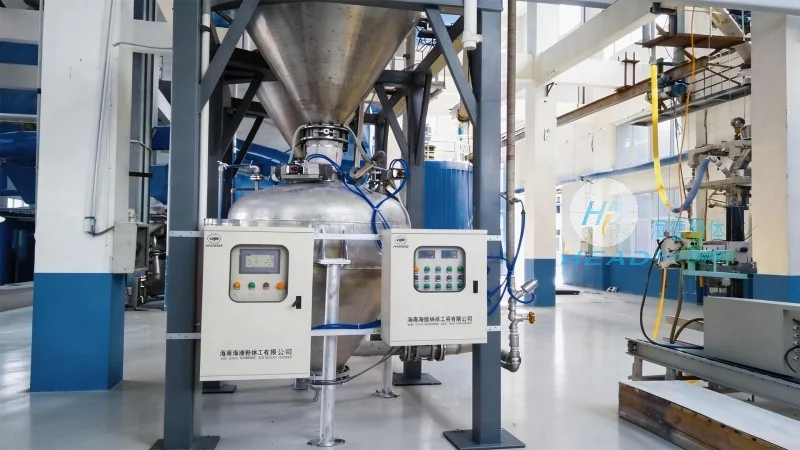
Now, discussing the practical implementation of pneumatic conveying for potassium carbonate in industrial settings. The system design must consider factors like the material's flow properties, the distance to be covered, and the required throughput. For example, in a chemical plant producing potassium carbonate, the conveying system may need to transport the material from a storage silo to a reactor or a packaging unit.
Equipment Used in Pneumatic Conveying
The equipment used in a pneumatic conveying system for potassium carbonate includes hoppers for material storage, rotary airlocks to control the flow rate, and venturis or blowers to generate the necessary air pressure. The receiver, where the material is collected, may also include a dust collector to ensure compliance with environmental regulations.
Operational Considerations
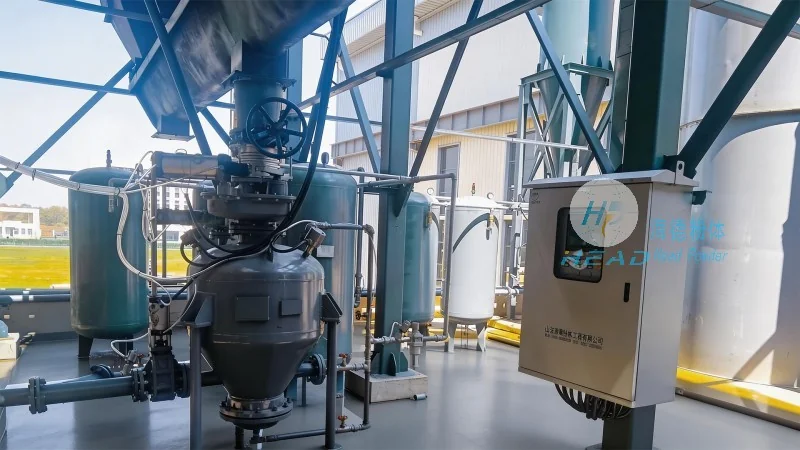
In terms of operational considerations, the air pressure and flow rate must be carefully controlled to prevent blockages or excessive wear on the system components. Regular maintenance, such as cleaning the air filters and checking the blower performance, is essential to maintain the system's efficiency.
Choosing the Right Conveying Method
The choice of conveying method also impacts the overall cost of operation. Pneumatic systems may have higher initial investment costs due to the need for air compressors and filtration equipment, but they can reduce long-term costs by minimizing material loss and maintenance requirements.
Conclusion
In conclusion, pneumatic conveying is a reliable and efficient method for transporting potassium carbonate in industrial applications. By understanding the principles and considerations of this technology, manufacturers can optimize their material handling processes and improve overall plant performance.
Shandong HeadPowder Engineering Co., Ltd., a leading provider in the field, specializes in designing and implementing efficient conveying solutions for potassium carbonate and other bulk materials. With a focus on innovation and customer satisfaction, the company ensures that its systems meet the highest standards of performance and reliability. Located in Shandong, China, HeadPowder Engineering Co., Ltd. serves a wide range of industries, including chemical manufacturing, food processing, and pharmaceuticals, providing tailored solutions to meet their specific material handling needs.