Công ty TNHH Kỹ thuật Headpowder Sơn Đông chuyên vận chuyển khí nén bột và hạt. Nhờ thế mạnh hợp tác doanh nghiệp‑trường‑viện, chúng tôi cung cấp giải pháp vận chuyển kín, không bụi, độ chính xác cao.
When it comes to transporting sulfate of potash (SOP), selecting the right method is crucial for efficiency, cost-effectiveness, and operational safety. Various transportation methods are available, each with its own set of advantages and applications. This article explores common sulfate of potash transportation methods, with a focus on the benefits and characteristics of pneumatic conveying systems.
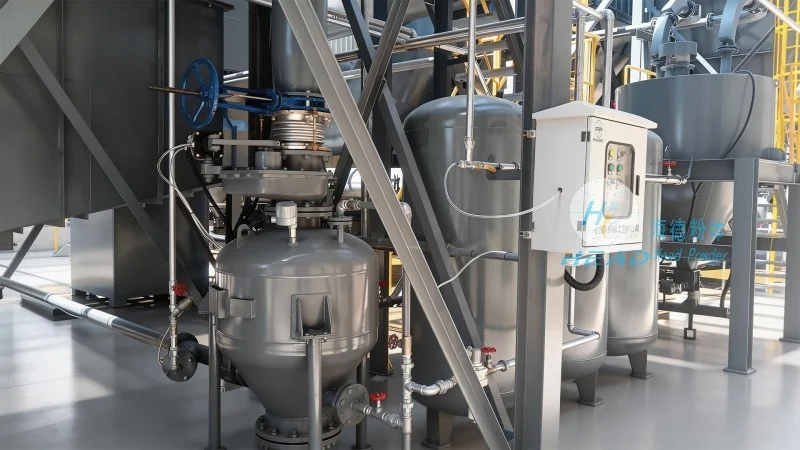
Overview of Sulfate of Potash Transportation Methods
Sulfate of potash, a vital potassium fertilizer, is commonly transported in bulk quantities from production facilities to storage sites, ports, or end-users. The choice of transportation method depends on factors such as the distance, volume of material, existing infrastructure, and environmental considerations. Traditional methods include gravity flow, mechanical conveyors (like belt conveyors or screw conveyors), and more advanced systems like pneumatic conveying. Each method has its strengths and limitations, which are discussed below.
Gravity Flow Transportation
Gravity flow, also known as bulk handling, involves using the natural force of gravity to move sulfate of potash from one point to another. This method typically requires a sloped conveyor or a series of chutes that allow the material to slide down under its own weight. Gravity flow is often used for short distances and when the material is relatively free-flowing. It is a low-cost option that minimizes energy consumption and mechanical wear. However, it is limited by the need for a suitable slope and may not be suitable for long distances or when the material is sticky or has high moisture content, as this can cause blockages or uneven flow.
Mechanical Conveyors for Sulfate of Potash
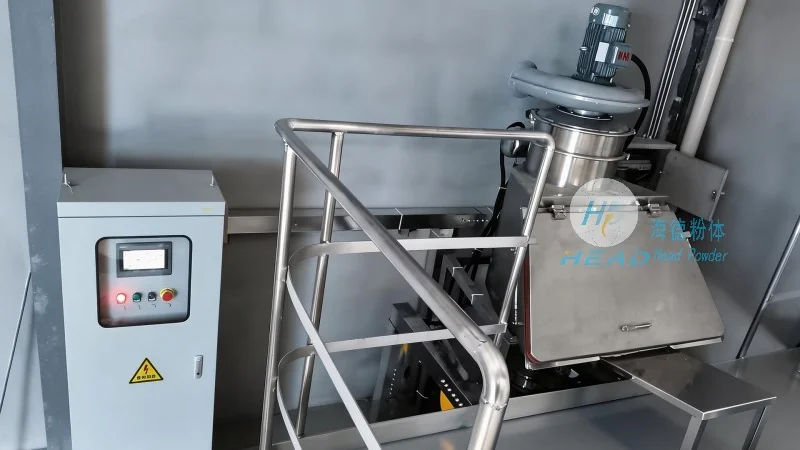
Mechanical conveyors, including belt conveyors and screw conveyors, are widely used in the fertilizer industry for transporting bulk materials like sulfate of potash. Belt conveyors use a continuous belt to move material along a fixed path, while screw conveyors utilize a rotating screw to push material forward. These systems are reliable and can handle large volumes of material. They are suitable for both horizontal and inclined transport and can be integrated with other processing equipment. However, mechanical conveyors require regular maintenance, as the moving parts are subject to wear and tear. They also consume more energy compared to pneumatic systems and may generate dust, which can be a health and safety concern if not properly managed.
Pneumatic Conveying: The Advanced Solution for Sulfate of Potash
Pneumatic conveying, or air-based transport, is an advanced method that uses compressed air to move sulfate of potash through a pipeline. This system can be either pressure or vacuum-based, depending on the application. The key advantages of pneumatic conveying for sulfate of potash include high efficiency, flexibility in layout, and the ability to handle a wide range of material characteristics, including powders, granules, and even sticky or humid materials. Pneumatic systems can transport material over long distances with minimal loss and can be integrated with storage silos and processing equipment. They also offer better dust control compared to mechanical conveyors, as the material is contained within the pipeline. However, pneumatic conveying requires more energy than gravity or mechanical systems and may have higher initial investment costs. The system also needs regular maintenance to ensure the air compressor and pipeline are in good working condition.
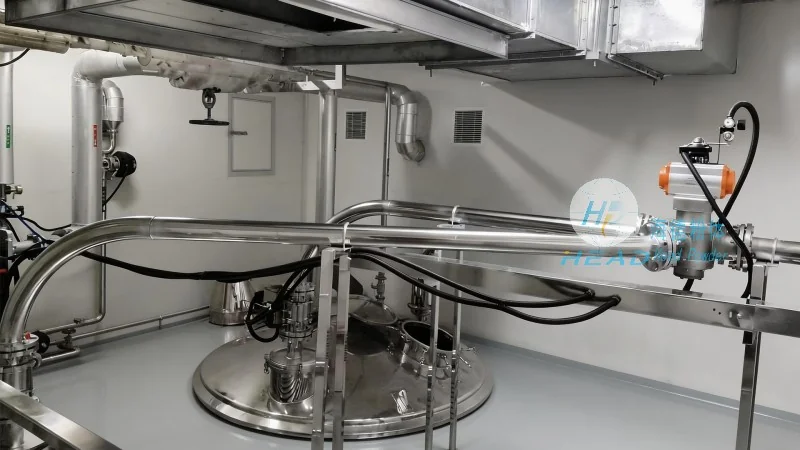
Factors to Consider When Choosing a Transportation Method
When selecting a transportation method for sulfate of potash, several factors must be considered to ensure optimal performance and cost-effectiveness. The distance between the source and destination is a primary factor, as longer distances may require more energy-intensive systems like pneumatic conveying. The volume of material to be transported also plays a role, as larger volumes may benefit from mechanical conveyors or pneumatic systems that can handle high throughput. The physical properties of the sulfate of potash, such as particle size, moisture content, and flowability, are critical. For example, fine powders may be better suited for pneumatic systems due to their tendency to create dust and blockages in mechanical conveyors. Environmental regulations and safety considerations are also important, as some methods may generate more dust or require additional containment measures. Finally, the existing infrastructure and budget constraints should be evaluated to determine the most feasible option.
Conclusion
In summary, sulfate of potash transportation methods vary, with each offering distinct advantages. Gravity flow is suitable for short distances and low-cost applications, while mechanical conveyors provide reliability for moderate volumes. However, for efficient, flexible, and dust-controlled transport, especially over longer distances or with challenging material properties, pneumatic conveying stands out as a superior option. Companies like Shandong HeadPowder Engineering Co., Ltd., based in China, specialize in designing and implementing advanced bulk material handling systems, including pneumatic conveying solutions tailored to the specific needs of sulfate of potash producers and users. By carefully evaluating the factors mentioned above, operators can select the most appropriate transportation method to enhance productivity, reduce costs, and ensure safe and sustainable operation.

 Shandong Headpowder Engineering Co., Ltd.
 156-6277-7102(Quản lý Trương)
  0531-83386006
  Thành phố Tế Nam, Tỉnh Sơn Đông, Trung Quốc
Điện thoại
WeChatTư vấn
Lên đầu