

Common Desulfurizer Delivery Methods: An Introduction to Pneumatic Conveying of Desulfurizer
Desulfurizer, a critical component in modern industrial processes, requires efficient and reliable delivery methods to ensure optimal performance in flue gas desulfurization systems. The choice of transport method significantly impacts operational efficiency, safety, and cost-effectiveness. This article explores common desulfurizer delivery methods, with a focus on the advantages and applications of pneumatic conveying systems.
Introduction to Desulfurizer Transport
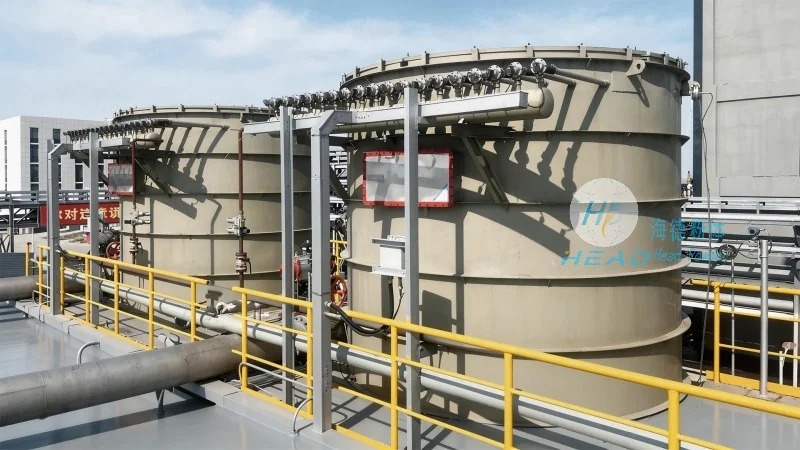
Desulfurizer, often in the form of powders or slurries, is used to remove sulfur dioxide from industrial exhaust gases. The effectiveness of the desulfurization process depends heavily on the uniform and consistent supply of desulfurizer to the reaction tower or absorber. Traditional methods like gravity feed or mechanical conveyors have limitations, particularly when dealing with fine powders that are prone to dusting and clogging. This has led to the development and widespread adoption of advanced delivery systems, with pneumatic conveying emerging as a preferred solution for many industrial applications.
About HeadPowder: A Leader in Desulfurizer Solutions
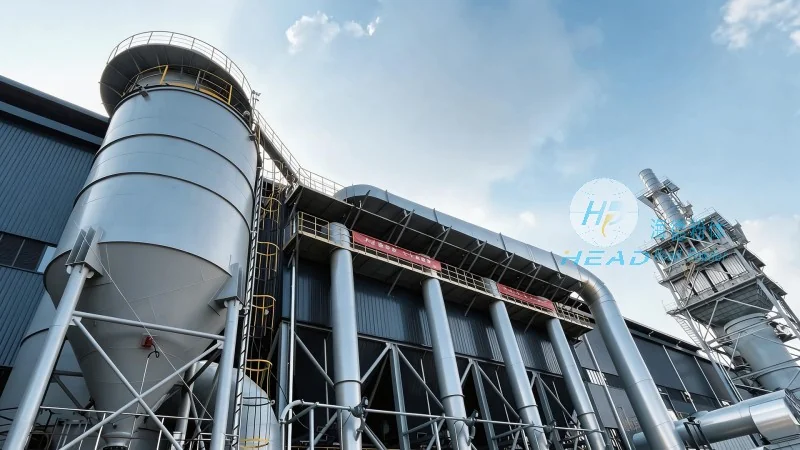
HeadPowder, operating as Shandong HeadPowder Engineering Co., Ltd., is a prominent provider of desulfurizer and related engineering solutions. With a base in Shandong, China, the company specializes in designing, manufacturing, and implementing efficient desulfurizer delivery systems tailored to the specific needs of power plants, chemical facilities, and other industrial sectors. HeadPowder’s expertise lies in optimizing transport processes to enhance the performance and reliability of flue gas desulfurization units, ensuring compliance with environmental regulations while minimizing operational costs.
Pneumatic Conveying: A Comprehensive Overview
Pneumatic conveying is a method of transporting bulk materials, including desulfurizer powders, using pressurized air or gas. This technology offers several advantages over traditional mechanical conveyors, making it ideal for handling fine, dusty, or corrosive materials. The process involves creating a flow of air through a pipeline, which carries the desulfurizer particles from the storage silo to the reaction point. There are two main types of pneumatic conveying systems: dilute-phase and dense-phase. Dilute-phase systems use low air velocities and are suitable for short to medium distances, while dense-phase systems employ higher air pressures and velocities to move material more efficiently over longer distances, with less risk of material degradation or blockage.
Key Advantages of Pneumatic Conveying for Desulfurizer
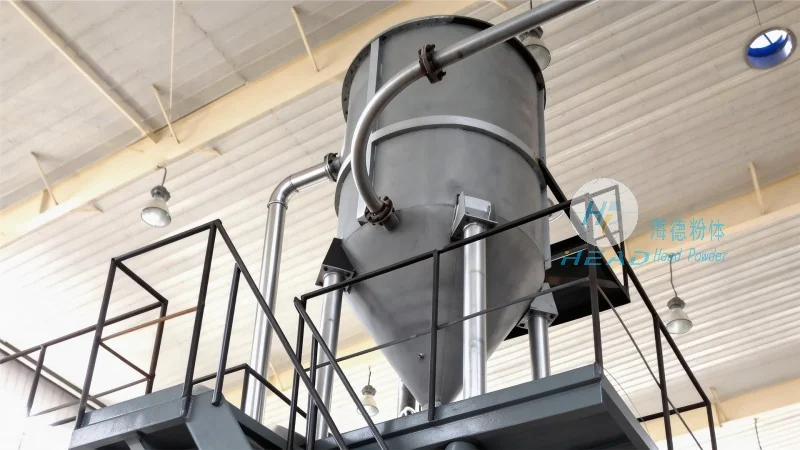
For desulfurizer delivery, pneumatic conveying provides several key benefits. First, it minimizes material handling and dust generation, reducing the risk of occupational exposure and environmental contamination. The enclosed system prevents dust from escaping into the workplace or the environment, enhancing safety and compliance with air quality standards. Second, pneumatic conveying allows for precise control over the flow rate and pressure, ensuring consistent and uniform delivery of desulfurizer to the absorber. This consistency is crucial for maintaining the optimal pH and chemical balance in the desulfurization process, leading to higher removal efficiency of sulfur dioxide. Third, the system is highly adaptable, capable of handling various types of desulfurizer, including limestone, lime, or other alkaline materials, and can be integrated with existing industrial infrastructure with minimal modifications.
Applications and Implementation in Industrial Settings
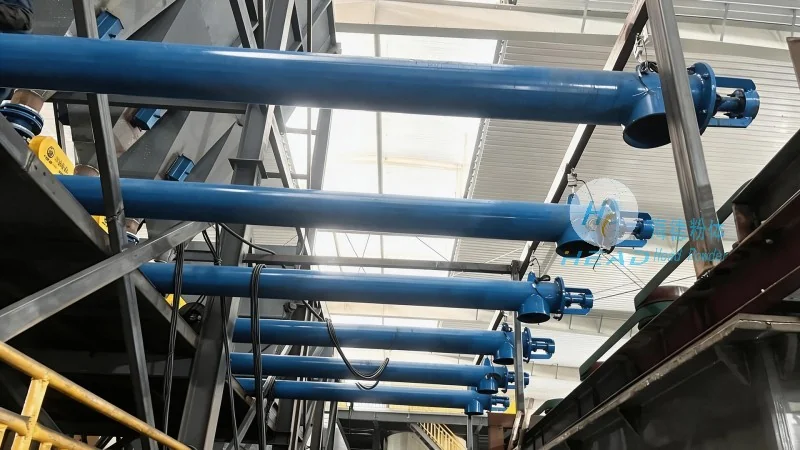
HeadPowder’s pneumatic conveying systems are widely used in power plants, particularly those burning coal or other fossil fuels, where flue gas desulfurization is mandatory to meet environmental regulations. The systems are designed to handle large volumes of desulfurizer, often in continuous operation, ensuring a steady supply to the reaction tower. In chemical plants, pneumatic conveying is used to transport desulfurizer slurries or powders to reactors, where they are used in various chemical processes. The flexibility of the system allows it to be customized for different plant layouts and operational requirements, ensuring optimal performance in diverse industrial environments.
Conclusion: Choosing the Right Desulfurizer Delivery Method
When selecting a desulfurizer delivery method, factors such as material properties, plant layout, distance, and operational requirements must be considered. While traditional methods may be suitable for small-scale applications, pneumatic conveying offers superior efficiency, safety, and adaptability for modern industrial needs. HeadPowder, with its expertise in desulfurizer engineering, provides comprehensive solutions that integrate the most advanced pneumatic conveying technologies to meet the demands of today’s industrial sector. By choosing the right delivery method, industries can enhance the effectiveness of their flue gas desulfurization systems, reduce operational costs, and comply with stringent environmental regulations.