Công ty TNHH Kỹ thuật Headpowder Sơn Đông chuyên vận chuyển khí nén bột và hạt. Nhờ thế mạnh hợp tác doanh nghiệp‑trường‑viện, chúng tôi cung cấp giải pháp vận chuyển kín, không bụi, độ chính xác cao.
Color masterbatches are essential in the plastic and polymer industries, serving as concentrated pigments that can be easily incorporated into various materials. The efficient and reliable transportation of these color masterbatches from storage to processing equipment is crucial for maintaining production efficiency and product quality. This article explores common color masterbatch conveying methods, with a focus on the advantages and applications of pneumatic conveying systems, as provided by Shandong HeadPowder Engineering Co., Ltd.
Introduction to Color Masterbatch Conveying
Color masterbatches are typically stored in bulk containers such as silos, hoppers, or bulk bags. The primary goal of conveying these materials is to transfer them to the extrusion or injection molding equipment where they are mixed with the base polymer. Traditional methods include mechanical conveyors like screw conveyors or belt conveyors, but these may not be suitable for all applications due to issues like material bridging, blockage, or contamination. Pneumatic conveying, on the other hand, offers a more flexible and effective solution for handling color masterbatches, especially those with fine particles or high viscosity.
Pneumatic Conveying Systems for Color Masterbatch Transport
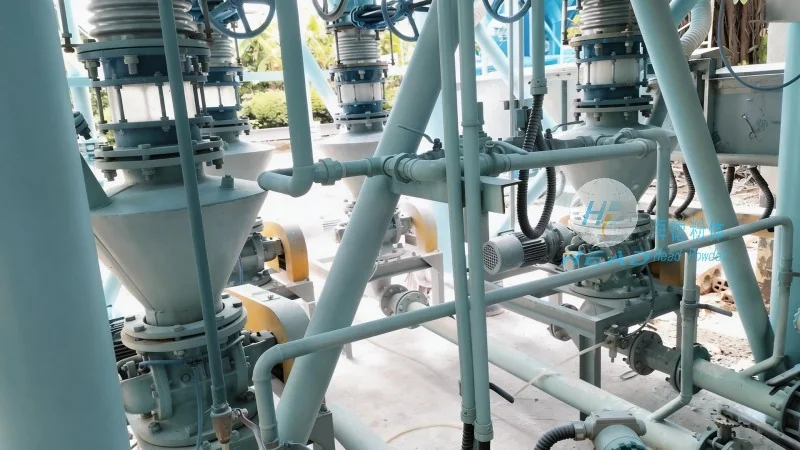
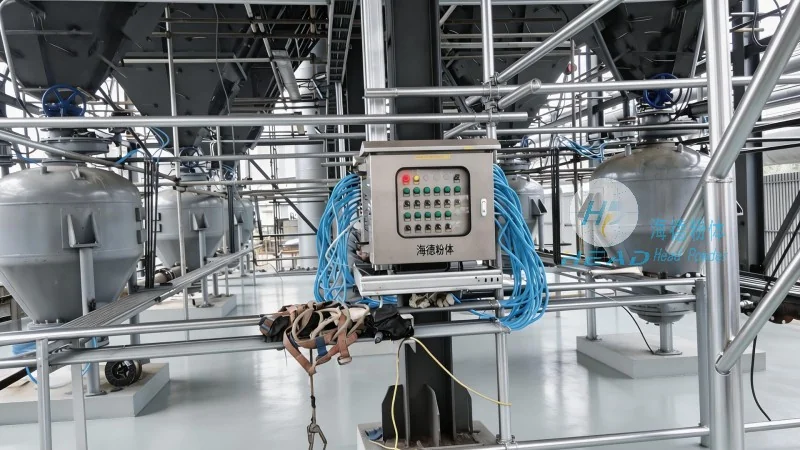
Pneumatic conveying uses compressed air or gas to move material through a pipeline system. There are two main types of pneumatic conveying: pressure and vacuum systems. Pressure systems use positive pressure to push material from the source to the destination, while vacuum systems use negative pressure to pull material. For color masterbatches, pressure systems are more commonly used due to their ability to handle high volumes and maintain consistent flow rates. The system typically consists of a hopper, a rotary airlock valve, a conveying line, and a receiver where the material is deposited.
Advantages of Pneumatic Conveying for Color Masterbatch Handling
One of the key advantages of pneumatic conveying is its ability to handle fine and abrasive materials without causing wear or damage to the equipment. This is particularly important for color masterbatches, which often contain pigments and additives that can be harsh on mechanical components. Additionally, pneumatic systems can be designed to operate in a closed loop, minimizing dust emissions and ensuring a clean working environment. The flexibility of pneumatic conveying also allows for easy integration with existing production lines, as the conveying line can be routed around obstacles and adapted to different production layouts.
Key Components of a Pneumatic Conveying System for Color Masterbatch
Several critical components are essential for the efficient operation of a pneumatic conveying system for color masterbatches. The hopper serves as the storage container, providing a large capacity to hold the masterbatch material. The rotary airlock valve is used to control the flow of material from the hopper into the conveying line, preventing backflow and ensuring a consistent feed rate. The conveying line is typically made of stainless steel or other corrosion-resistant materials to withstand the abrasive nature of the masterbatch. The receiver is where the material is deposited, and it is often equipped with a dust collection system to capture any fine particles that may escape during the conveying process.
Applications and Industries Using Pneumatic Conveying for Color Masterbatch
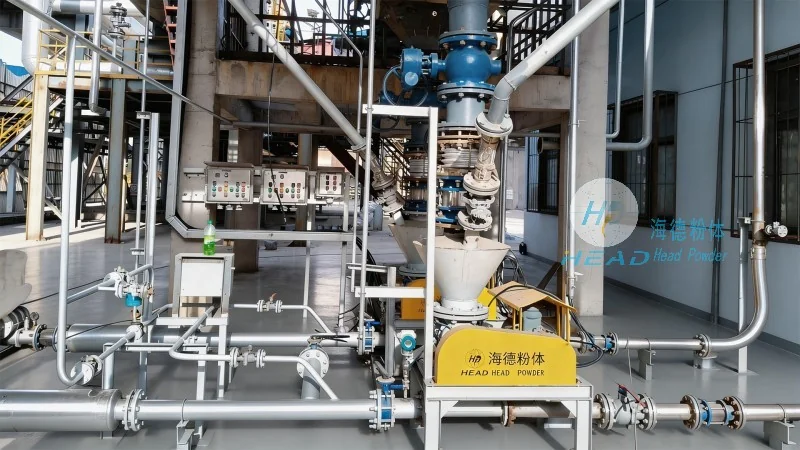
Pneumatic conveying systems are widely used in various industries that rely on color masterbatches, including plastic manufacturing, rubber processing, and chemical production. In the plastic industry, for example, color masterbatches are used to add color to polyethylene, polypropylene, and other polymers. The ability to convey these materials efficiently and reliably is crucial for maintaining the quality of the final product. Similarly, in the rubber industry, color masterbatches are used to color rubber compounds, and pneumatic conveying ensures that the color is evenly distributed throughout the material.
Considerations for Selecting a Pneumatic Conveying System
When selecting a pneumatic conveying system for color masterbatch handling, several factors need to be considered. The first is the material characteristics, such as particle size, density, and moisture content. These factors will determine the type of system (pressure or vacuum) and the required air pressure or vacuum level. The second is the production capacity, as the system must be able to handle the required volume of material. The third is the layout of the production facility, as the conveying line must be able to be routed to the processing equipment without causing obstructions or safety hazards. Finally, the cost of the system and its maintenance requirements should be considered, as these will impact the overall operational efficiency.

 Shandong Headpowder Engineering Co., Ltd.
 156-6277-7102(Quản lý Trương)
  0531-83386006
  Thành phố Tế Nam, Tỉnh Sơn Đông, Trung Quốc
Điện thoại
WeChatTư vấn
Lên đầu