

Common Metal Aluminum Powder Conveying Methods: An Introduction to Pneumatic Conveying for Aluminum
When it comes to handling metal aluminum powder, selecting the right conveying method is crucial for efficiency, safety, and product integrity. Metal aluminum powder is a fine, reactive material that requires specialized handling to prevent dust explosions and ensure smooth processing. The choice of conveying system impacts not only operational efficiency but also the overall quality of the aluminum powder during transport. In this article, we explore common metal aluminum powder conveying methods, with a focus on the advantages of pneumatic conveying systems.
Pneumatic Conveying for Metal Aluminum Powder
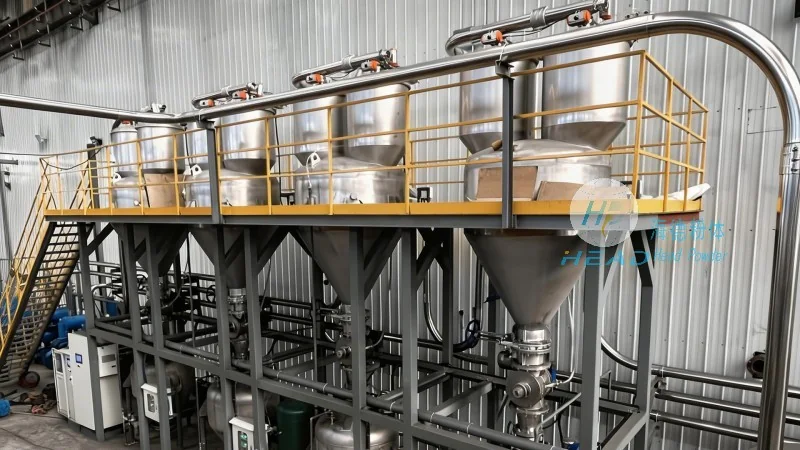
HeadPowder, a leading provider of material handling solutions, specializes in pneumatic conveying systems tailored for metal aluminum powder applications. Pneumatic conveying uses air or other gases to transport powder materials through a pipeline network. For metal aluminum powder, this method offers several key benefits. First, it minimizes the risk of dust accumulation and explosion hazards by containing the powder within a sealed system. Second, pneumatic conveyors can handle fine powders with high efficiency, reducing material loss and improving process consistency. The system typically consists of a hopper, a blower or compressor, and a pipeline network that directs the powder to its destination. HeadPowder's pneumatic conveying solutions are designed to meet the specific requirements of aluminum powder processing, ensuring reliable and safe transport.
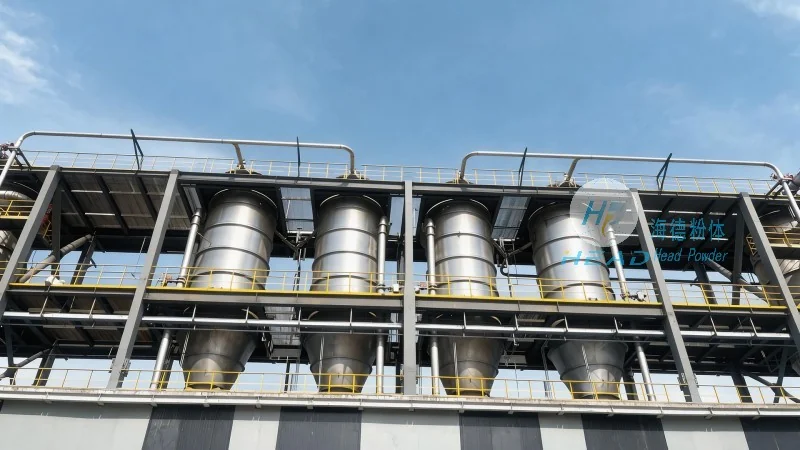
Advantages of Pneumatic Conveying for Aluminum Powder
Compared to traditional mechanical conveying methods, pneumatic conveying provides several advantages for metal aluminum powder. One of the most significant benefits is the ability to transport powder over long distances without the need for multiple transfer points. This reduces the risk of material degradation and contamination. Additionally, pneumatic systems can handle varying powder flow rates, adapting to production demands without compromising performance. The sealed nature of the system also prevents exposure to moisture and other environmental factors that could affect the quality of the aluminum powder. HeadPowder's expertise in designing and implementing pneumatic conveying systems ensures that clients receive solutions that are optimized for their specific aluminum powder handling needs.
Applications of Pneumatic Conveying in Aluminum Powder Processing
Pneumatic conveying is widely used in various stages of aluminum powder processing, from raw material handling to finished product packaging. In the production of aluminum alloys, for example, pneumatic systems are used to transport aluminum powder from storage silos to mixing and casting equipment. This ensures a consistent supply of material, which is critical for maintaining product quality and reducing downtime. Similarly, in the manufacturing of aluminum powder-based products such as paints, adhesives, and cosmetics, pneumatic conveying is essential for delivering the powder to mixing and blending units. The ability to handle fine powders with precision makes pneumatic systems ideal for applications where uniform particle size and distribution are required. HeadPowder's solutions have been successfully implemented in numerous aluminum powder processing facilities, demonstrating their effectiveness in improving operational efficiency and product quality.
Considerations for Selecting a Conveying System for Metal Aluminum Powder
When choosing a conveying system for metal aluminum powder, several factors must be considered to ensure optimal performance and safety. The first consideration is the particle size and density of the aluminum powder, as these characteristics affect the flowability and handling requirements. Fine powders with high reactivity may require more robust sealing and explosion-proof designs. The distance and layout of the conveying system also play a role, as longer distances may necessitate higher air pressure or more complex pipeline configurations. Additionally, the environmental regulations and safety standards in the region where the facility is located must be taken into account. HeadPowder provides comprehensive consultation services to help clients evaluate these factors and select the most suitable conveying system for their metal aluminum powder applications. Our team of experts works closely with clients to understand their specific needs and design customized solutions that meet both operational and safety requirements.

Conclusion
For metal aluminum powder handling, pneumatic conveying offers a reliable and efficient solution that addresses the unique challenges of this material. By leveraging the expertise of companies like Shandong HeadPowder Engineering Co., Ltd., manufacturers can ensure safe and effective transport of aluminum powder, improving overall production efficiency and product quality. The advantages of pneumatic systems, including reduced explosion risks, high efficiency, and adaptability, make them a preferred choice for modern aluminum powder processing facilities. As the demand for aluminum powder continues to grow, the importance of selecting the right conveying method becomes increasingly critical. HeadPowder remains committed to providing innovative material handling solutions that meet the evolving needs of the aluminum powder industry, ensuring safe and efficient processing for years to come.