

Common Hydroxide Alumina Conveying Methods: An Overview of Hydroxide Alumina Pneumatic Conveying
When it comes to transporting hydroxide alumina, selecting the right method is crucial for efficiency, cost-effectiveness, and material integrity. Hydroxide alumina, a white powder commonly used in various industrial applications such as water treatment, cosmetics, and pharmaceuticals, requires specialized handling due to its fine particle size and potential for dust generation. The choice of conveying method depends on factors like the distance to be covered, the volume of material, the need for dust control, and the overall operational environment. In this article, we will explore the common hydroxide alumina conveying methods, with a particular focus on the advantages and applications of pneumatic conveying.
Overview of Hydroxide Alumina Pneumatic Conveying
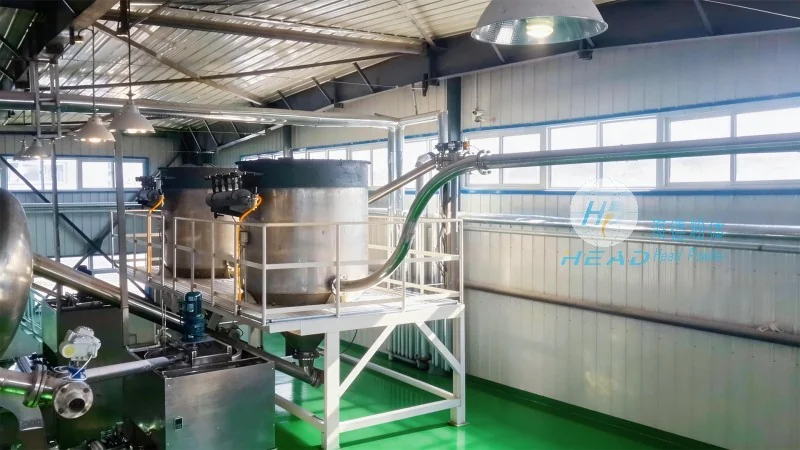
Pneumatic conveying, also known as air conveying, is a widely used technique for transporting hydroxide alumina and other powders. This method involves the use of air or other gases to move the material through a pipeline system. There are two main types of pneumatic conveying: pressure and vacuum systems. Pressure systems use compressed air to push the material forward, while vacuum systems use a vacuum to draw the material into the pipeline. Both systems offer advantages in terms of flexibility, dust control, and the ability to handle long distances and multiple destinations.
Key Advantages of Hydroxide Alumina Pneumatic Conveying
One of the primary benefits of pneumatic conveying for hydroxide alumina is its ability to maintain material integrity. Unlike mechanical systems that may cause particle attrition or segregation, pneumatic conveying minimizes physical stress on the powder. This is particularly important for hydroxide alumina, which can be sensitive to handling and may degrade if subjected to excessive friction or impact. Additionally, pneumatic systems provide excellent dust control, as the material is enclosed within the pipeline, reducing the risk of airborne dust and improving workplace safety. Another advantage is the flexibility of pneumatic conveying, which allows for easy integration with existing processing lines and the ability to transport material to multiple points without the need for complex reconfiguration.
Components of a Hydroxide Alumina Pneumatic Conveying System
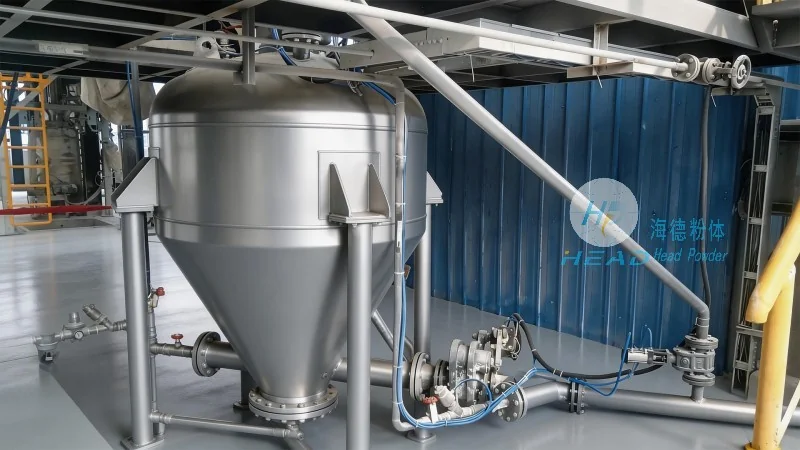
A typical hydroxide alumina pneumatic conveying system consists of several key components. The system starts with a hopper or feeder that stores the material and controls the flow rate. From there, the material is fed into a pipeline, where it is mixed with air or gas. The air-material mixture is then transported through the pipeline to the destination, which may be a storage silo, a processing unit, or a packaging area. The system typically includes a separator or cyclone to separate the material from the air at the end of the pipeline, allowing the air to be recycled or vented. Other components may include filters to remove any fine particles from the air, and pressure or vacuum pumps to maintain the system's operating pressure.

Applications of Hydroxide Alumina Pneumatic Conveying
Hydroxide alumina pneumatic conveying is widely used in various industries due to its versatility and efficiency. In the water treatment industry, for example, hydroxide alumina is used as a coagulant to remove impurities from water. Pneumatic conveying allows for the efficient transport of this material from storage to the treatment plant, ensuring a consistent supply of coagulant. In the cosmetics industry, hydroxide alumina is used as a filler in products such as powders and creams. Pneumatic conveying helps maintain the quality of the powder by preventing contamination and ensuring uniform distribution. Similarly, in the pharmaceutical industry, where hydroxide alumina is used as an excipient or in drug formulations, pneumatic conveying provides a hygienic and controlled method of material transport, minimizing the risk of contamination and ensuring product quality.
Considerations for Hydroxide Alumina Pneumatic Conveying
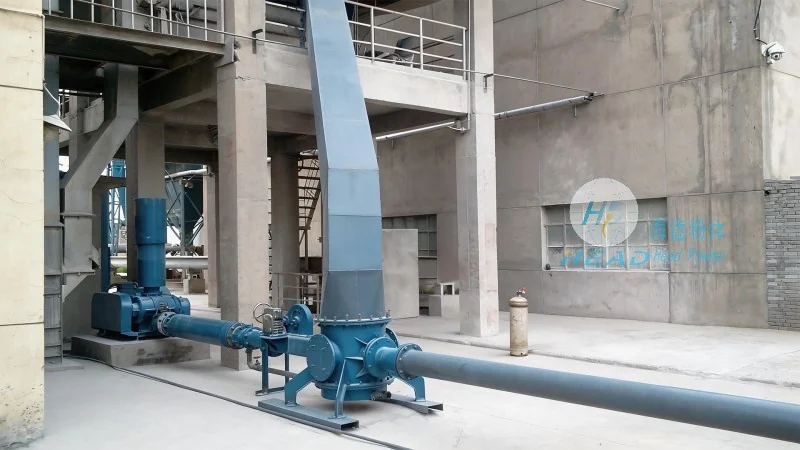
While pneumatic conveying offers many advantages, there are also some considerations to keep in mind when implementing this system for hydroxide alumina. One of the main considerations is the material's particle size and flow properties. Hydroxide alumina is typically a fine powder, which can lead to issues such as caking or bridging in the hopper or feeder. Proper hopper design and flow aids, such as vibrators or air knives, are essential to prevent these issues and ensure consistent material flow. Another consideration is the system's pressure drop, which can affect the overall efficiency and energy consumption. Proper pipeline sizing and the use of smooth, corrosion-resistant materials are important to minimize pressure drop and reduce energy costs. Additionally, the system's maintenance requirements should be considered, as pneumatic conveying systems require regular cleaning and inspection to prevent blockages and ensure optimal performance.
Conclusion
Hydroxide alumina is a versatile material with many industrial applications, and the choice of conveying method plays a critical role in its effective handling. Pneumatic conveying, with its ability to maintain material integrity, provide excellent dust control, and offer flexibility, is a popular choice for transporting hydroxide alumina. By understanding the components, advantages, and considerations of a pneumatic conveying system, industries can select the most appropriate method for their specific needs. As a leading provider of engineering solutions for powder handling, Shandong HeadPowder Engineering Co., Ltd. specializes in designing and manufacturing custom pneumatic conveying systems tailored to the unique requirements of hydroxide alumina and other powders. With a focus on efficiency, safety, and material integrity, HeadPowder offers comprehensive solutions to meet the diverse needs of the industrial sector.