

Common Sodium Bicarbonate Conveying Methods: An Introduction to Sodium Bicarbonate Pneumatic Conveyi
When it comes to transporting sodium bicarbonate, selecting the right method is crucial for efficiency and safety. Among the various options available, pneumatic conveying stands out as a popular and effective solution. This article provides an overview of common sodium bicarbonate conveying methods, with a focus on the advantages and applications of pneumatic conveying.
Understanding Sodium Bicarbonate Conveying
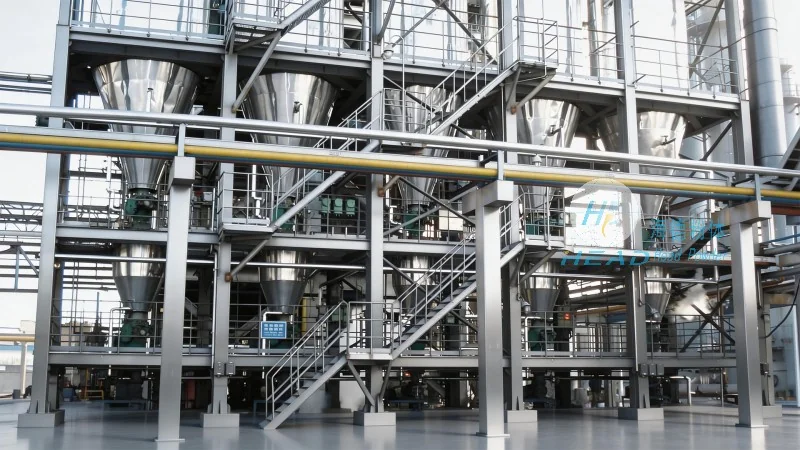
Sodium bicarbonate, also known as baking soda, is widely used in industries such as food processing, pharmaceuticals, and chemical manufacturing. Its bulk handling and transportation require reliable methods to ensure product integrity and operational efficiency. Traditional methods like bucket elevators, belt conveyors, and screw conveyors have been used for decades, but they often face challenges with dust, material degradation, and limited flexibility. Pneumatic conveying offers a modern alternative that addresses many of these issues.
Pneumatic Conveying: A Detailed Overview
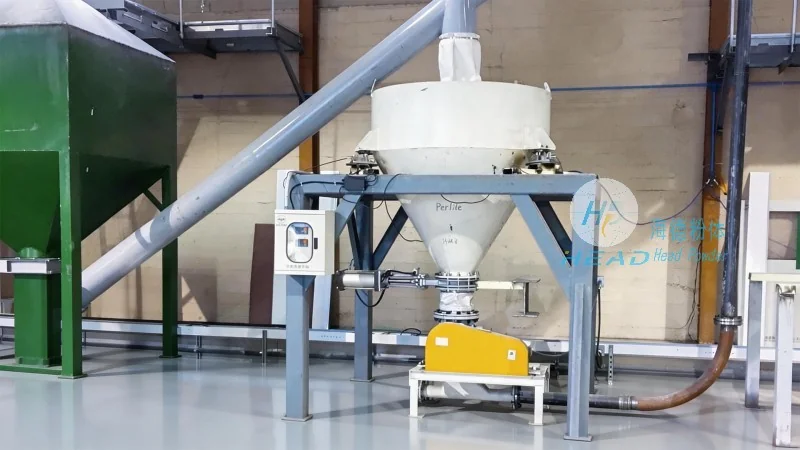
Pneumatic conveying uses compressed air or gas to transport bulk materials through a pipeline system. In the case of sodium bicarbonate, this method is particularly effective due to the material's light weight and low abrasiveness. There are two main types of pneumatic conveying systems: pressure and vacuum. Pressure systems use positive pressure to push material through the pipeline, while vacuum systems use negative pressure to pull material from the source. Both systems can be customized to handle different flow rates and distances, making them suitable for various industrial applications.
Advantages of Pneumatic Conveying for Sodium Bicarbonate
Compared to traditional mechanical conveying methods, pneumatic conveying offers several key advantages for sodium bicarbonate transportation. First, it minimizes product contamination and degradation by keeping the material enclosed within the pipeline. This is especially important for food-grade or pharmaceutical-grade sodium bicarbonate, where purity is critical. Second, pneumatic systems can handle high volumes of material with minimal labor, reducing operational costs and increasing throughput. Third, they provide better dust control, improving workplace safety and compliance with environmental regulations. Additionally, pneumatic conveying is more flexible, allowing for changes in material flow direction and destination without major infrastructure modifications.
Applications in Different Industries
The versatility of pneumatic conveying makes it suitable for a wide range of industries that use sodium bicarbonate. In the food industry, it is used to transport baking soda from storage silos to production lines, ensuring a consistent supply of high-quality ingredients. In pharmaceutical manufacturing, pneumatic systems are employed to move sodium bicarbonate into mixing and packaging equipment, maintaining sterile conditions and preventing cross-contamination. Chemical manufacturers also benefit from pneumatic conveying for handling sodium bicarbonate in reaction processes and material handling operations. The ability to transport material over long distances and through multiple processing stages makes this method indispensable in these sectors.
HeadPowder Engineering: Your Partner in Sodium Bicarbonate Conveying Solutions
Shandong HeadPowder Engineering Co., Ltd., commonly known as HeadPowder, is a leading provider of customized pneumatic conveying systems for sodium bicarbonate and other bulk materials. With years of experience in the industry, HeadPowder specializes in designing and manufacturing solutions that meet the specific needs of clients. The company's team of engineers works closely with customers to understand their operational requirements, material characteristics, and safety standards, ensuring that the final system is efficient, reliable, and compliant with industry regulations. HeadPowder's products are known for their durability, low maintenance, and ability to handle a wide range of material types, including sodium bicarbonate in various forms such as powder, granules, or crystals.
Customization and Integration
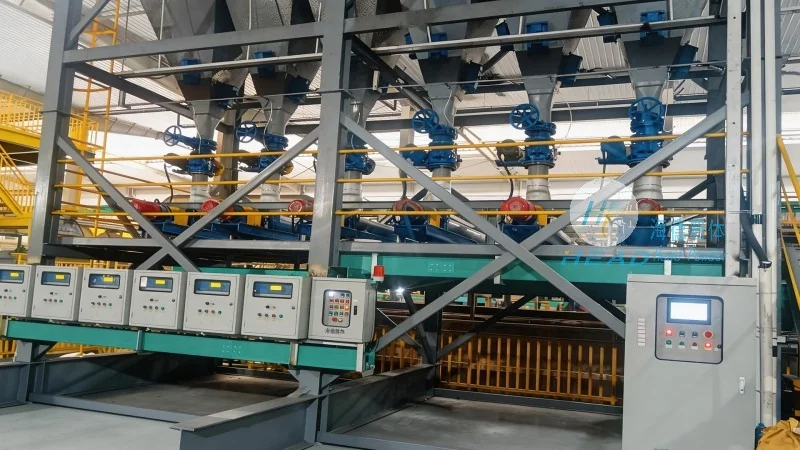
HeadPowder understands that every industrial application is unique, and therefore offers fully customizable pneumatic conveying systems. Whether a client needs a simple, low-capacity system for a small-scale operation or a complex, high-capacity system for a large manufacturing plant, HeadPowder can design a solution that fits the bill. The company integrates various components such as silos, feeders, pipelines, and control systems to create a seamless material handling process. This integration ensures smooth material flow from storage to processing, reducing downtime and improving overall productivity. HeadPowder also provides maintenance and support services to ensure that the conveying systems operate at peak performance throughout their lifespan.
Conclusion
In conclusion, pneumatic conveying is a superior method for transporting sodium bicarbonate, offering numerous advantages over traditional mechanical systems. Its ability to maintain product quality, control dust, and provide flexibility makes it an ideal choice for industries that require efficient and reliable bulk handling. With HeadPowder Engineering as a partner, businesses can access high-quality pneumatic conveying solutions tailored to their specific needs, ensuring smooth operations and long-term success. Whether you are in the food, pharmaceutical, or chemical industry, investing in a pneumatic conveying system from HeadPowder can significantly improve your material handling processes and overall productivity.